Answer 48 questions, check each correct answer and work through the explanations at your own pace.
Question 1 of 480 correct answers
Question 1 of 48
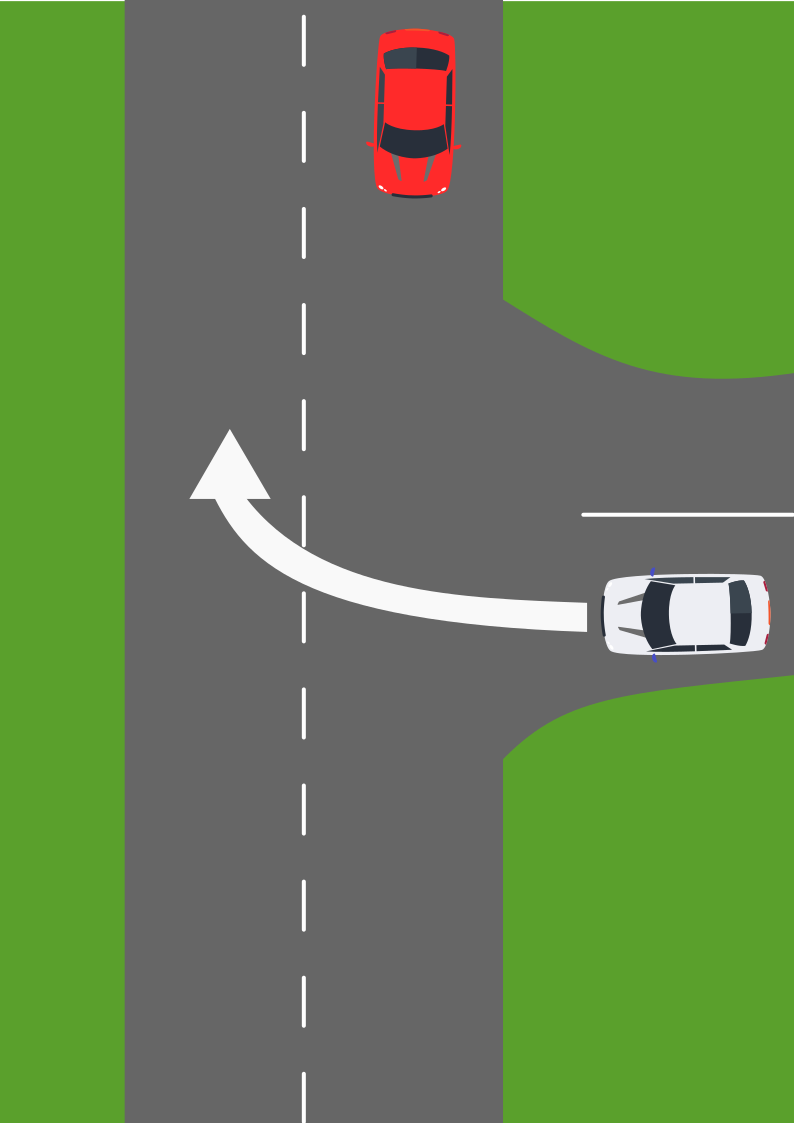
You're turning right onto a dual carriageway. What should you do before emerging?
Explanation
Before emerging right onto a dual carriageway, make sure that the central reservation is deep enough to protect your vehicle. If it isn't, you should treat the dual carriageway as one road and check that it's clear in both directions before pulling out. Neglecting to do this could place part or all of your vehicle in the path of approaching traffic and cause a collision.
Question 2 of 48
You're looking for somewhere to park your vehicle. What should you do if the only free spaces are marked for disabled drivers?
Explanation
It's illegal to park in a space reserved for disabled drivers unless you're permitted to do so. These spaces are provided for people with limited mobility, who may need extra space to get in and out of their vehicle.
Question 3 of 48
How will you benefit from following the manufacturer's service schedule for your vehicle?
Explanation
All vehicles need to be serviced to keep working efficiently. An efficient engine uses less fuel and produces fewer harmful emissions than an engine that's running inefficiently. Keeping the vehicle serviced to the manufacturer's schedule should also keep it reliable and reduce the chance of it breaking down.
Question 4 of 48
You're stopped at the side of the road. What must you do if you'll be waiting there for some time?
Explanation
If your vehicle is stationary and is likely to remain so for some time, you must switch off the engine unless you're stationary in traffic or diagnosing a fault.
Question 5 of 48
Why do motorcyclists wear bright clothing?
Explanation
Motorcycles and scooters are generally smaller than other vehicles and can be difficult to see. Wearing bright clothing makes it easier for other road users to see a motorcyclist approaching, especially at junctions.
Question 6 of 48
What should you be aware of if you've just passed this sign?
Explanation
In a one-way system, traffic may pass you on either side. Always be aware of all traffic signs and understand their meaning. Look well ahead and react to them in good time.
Question 7 of 48
How can you reduce the risk of your vehicle being broken into at night?
Explanation
Having your vehicle broken into or stolen can be very distressing and inconvenient. Avoid leaving your vehicle unattended in poorly lit areas.
Question 8 of 48
What should you do if you see a pedestrian waiting at a zebra crossing?
Explanation
By standing on the pavement, the pedestrian is showing an intention to cross. By looking well ahead, you'll give yourself time to see the pedestrian, check your mirrors and respond safely.
Question 9 of 48
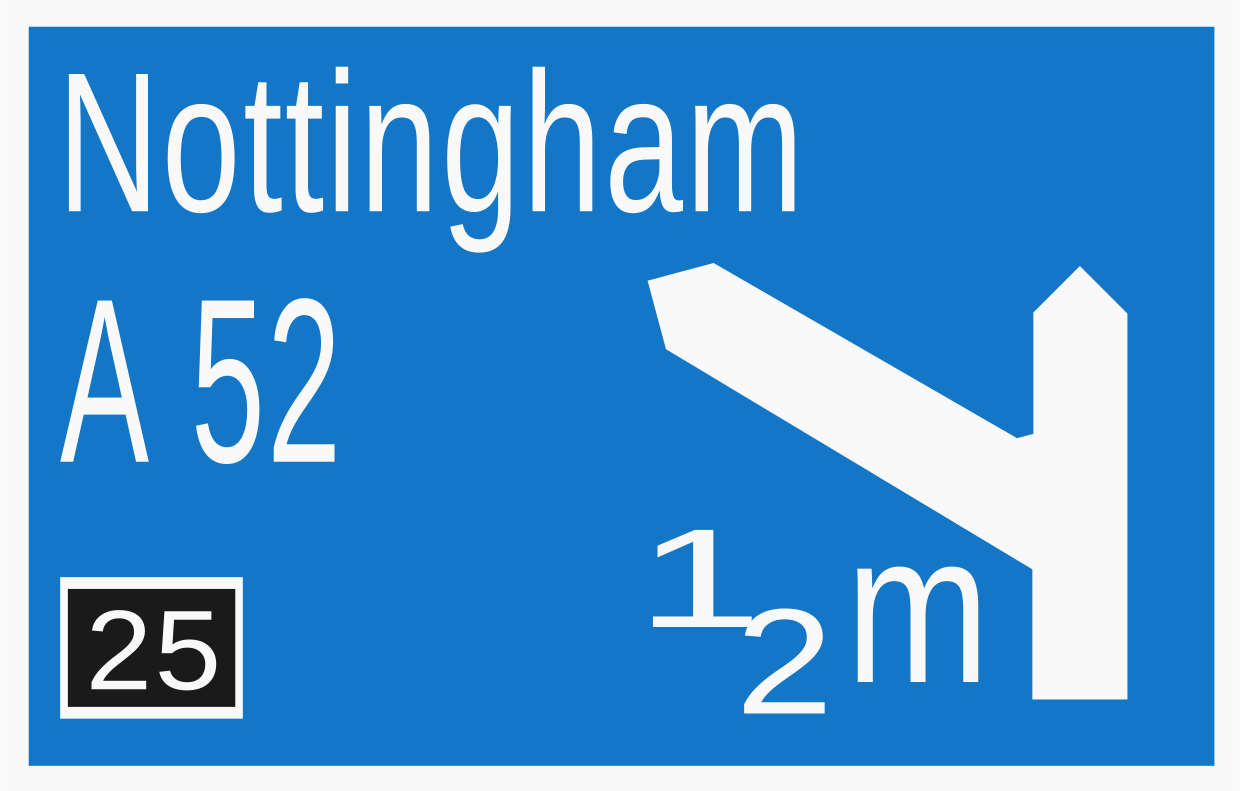
What does '25' mean on this motorway sign?
Explanation
Before you set out on your journey, use a road map to plan your route. When you see an advance warning of your junction, make sure you get into the correct lane in plenty of time. Last-minute harsh braking and cutting across lanes at speed is extremely hazardous.
Question 10 of 48
When should you update your vehicle registration certificate?
Explanation
As the registered keeper of a vehicle, it's up to you to inform DVLA of any changes in your details; for example, your name or address. You do this by completing and sending off the relevant section of the registration certificate.
Question 11 of 48
You're about to drive your car. What should you do if you can't find the glasses you need to wear?
Explanation
If you need to wear glasses for driving, it's illegal to drive without them. You must be able to see clearly when you're driving.
Question 12 of 48
What can people who live or work in towns and cities do to help reduce urban pollution levels?
Explanation
Using a vehicle for short journeys means the engine doesn't have time to reach its normal operating temperature. When an engine is running below its normal operating temperature, it produces increased amounts of pollution. Walking and cycling don't create pollution and have health benefits as well.
Question 13 of 48
Where should you take particular care to look for motorcyclists and cyclists?
Explanation
Motorcyclists and cyclists are often more difficult to see at junctions. They're easily hidden from view and you may not be able to see them approaching a junction if your view is partially blocked; for example, by other traffic.
Question 14 of 48
When are you allowed to use hazard warning lights?
Explanation
You mustn't use hazard warning lights while moving, except to warn traffic behind when you slow suddenly on a motorway or unrestricted dual carriageway. Never use hazard warning lights to excuse dangerous or illegal parking.
Question 15 of 48
Why is it a good idea to plan your journey to avoid busy times?
Explanation
No-one likes to spend time in traffic queues. Try to avoid busy times related to school or work travel.
Question 16 of 48
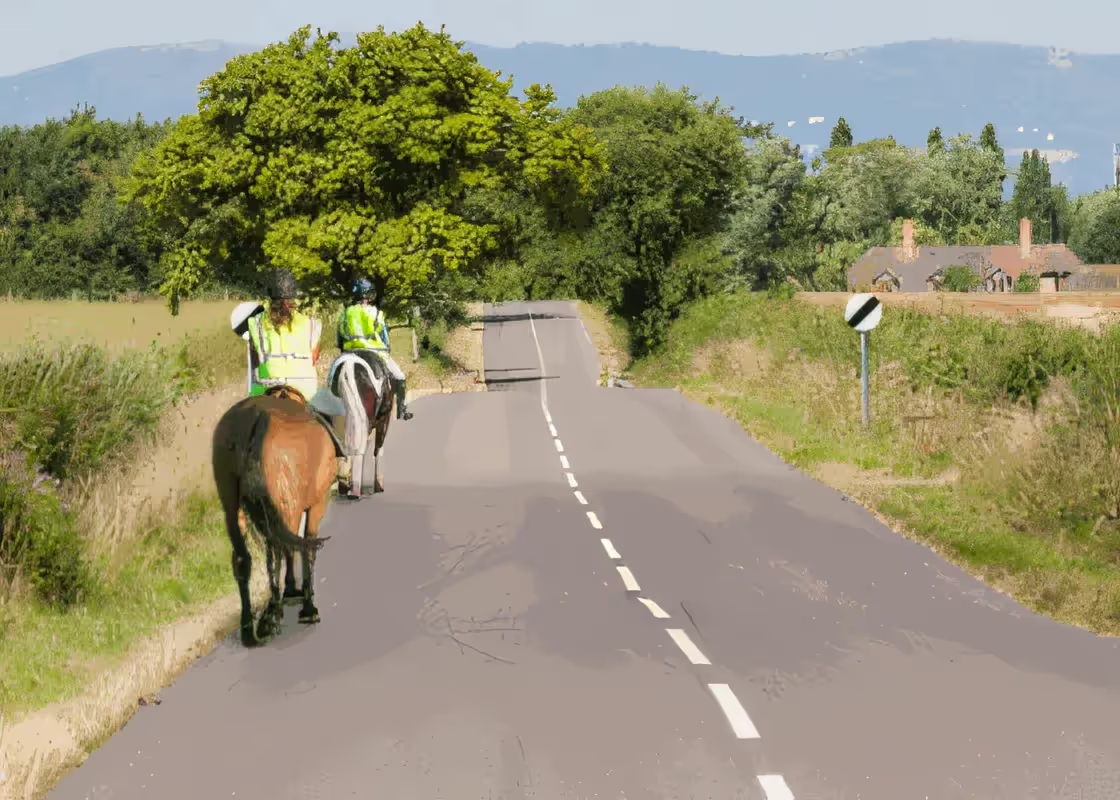
What should you do when you see these horse riders in front?
Explanation
Be particularly careful when approaching horse riders - slow down and be prepared to stop. Always pass wide and slowly, and look out for signals given by the riders. Horses are unpredictable: always treat them as potential hazards and take great care when passing them.
Question 17 of 48
You have to arrive on time for an appointment. How should you plan for the journey?
Explanation
Always allow plenty of time for your journey in case of unforeseen problems. Anything can happen; for example, punctures, breakdowns, road closures, diversions and delays. You'll feel less stressed and less inclined to take risks if you aren't 'pushed for time'.
Question 18 of 48
You're following two cyclists as they approach a roundabout in the left-hand lane. Where would you expect the cyclists to go?
Explanation
Cyclists approaching a roundabout in the left-hand lane may be turning right but may not have been able to get into the correct lane due to heavy traffic. They may also feel safer keeping to the left all the way around the roundabout. Be aware of them and give them plenty of room.
Question 19 of 48
What should you do if you park on the road when it's foggy?
Explanation
If you have to park your vehicle in foggy conditions, try to find a place to park off the road. If this isn't possible, park on the road facing in the same direction as the traffic. Leave your parking lights switched on and make sure they're clean.
Question 20 of 48
What should you do about driving if you've been taking medicine that causes drowsiness?
Explanation
You aren't fit to drive if you're taking medicine that makes you drowsy. Check with your doctor if you're unsure. You mustn't put other road users, your passengers or yourself at risk.
Question 21 of 48
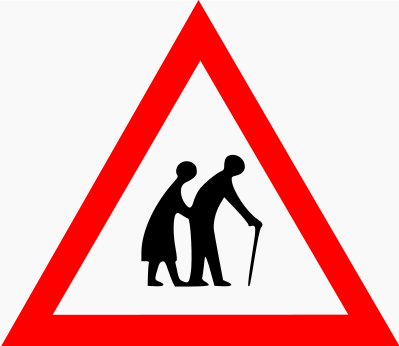
What would you do if you see older people crossing the road ahead?
Explanation
Be aware that older people might take a long time to cross the road. They might also be hard of hearing and not hear you approaching. Don't hurry older people across the road by getting too close to them or revving your engine.
Question 22 of 48
What should you do when you're approaching traffic lights that have red and amber showing together?
Explanation
Be aware that other traffic might still be clearing the junction as you approach. A green light means you may go on, but only if the way is clear.
Question 23 of 48
How do smart motorways prevent traffic bunching?
Explanation
When a smart motorway is operating, you must follow the mandatory signs on the gantries above each lane, including the hard shoulder. Variable speed limits help keep the traffic moving and also help to prevent bunching.
Question 24 of 48
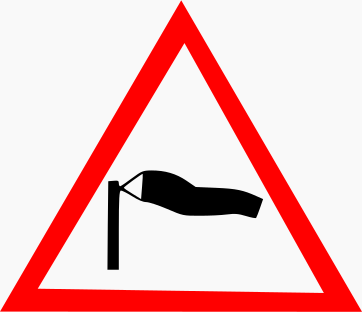
What does this sign mean?
Explanation
A warning sign with a picture of a windsock indicates that there may be strong side winds. This sign is often found on exposed roads.
Question 25 of 48
You're on a road that's only wide enough for one vehicle. What should you do if a car is coming towards you?
Explanation
Pull into the nearest passing place on the left if you meet another vehicle on a narrow road. If the nearest passing place is on the right, wait opposite it.
Question 26 of 48
When will a new car need its first MOT test?
Explanation
The vehicle you drive must be roadworthy and in good condition. If it's over three years old, it must pass an MOT test to remain in use on the road (unless it's exempt from the MOT test - see GOV.UK).
Question 27 of 48
What makes your tyres illegal?
Explanation
Your tyres may be of different treads and makes. They can even be second-hand, as long as they're in good condition. They must, however, be intact, without cuts or tears. When checking the side walls for cuts and bulges, don't forget to check the side of the tyre that's hidden from view, under the car.
Question 28 of 48
What restrictions apply to people who have a provisional driving licence?
Explanation
You won't be able to drive unaccompanied until you've passed your practical driving test. If you haven't driven on the motorway while you were learning, ask your instructor to take you for a lesson on the motorway when you've passed your test. Alternatively, you could take part in the Pass Plus scheme. This has been created for new drivers and includes motorway driving. Ask your instructor for details.
Question 29 of 48
What does fuel-efficient driving achieve?
Explanation
The emphasis is on hazard awareness and planning ahead. By looking well ahead, you'll have plenty of time to deal with hazards safely and won't need to brake sharply. This will also reduce damage to the environment.
Question 30 of 48
What colour are the reflective studs between the lanes on a motorway?
Explanation
White studs are found between the lanes on motorways. They reflect back the light from your headlights. This is especially useful in bad weather, when visibility is restricted.
Question 31 of 48
You're in a one-way street and want to turn right. Where should you position your vehicle when there are two lanes?
Explanation
When you're in a one-way street and want to turn right, you should take up a position in the right-hand lane. This will allow other road users, not wishing to turn, to pass on the left. Indicate your intention and take up the correct position in good time.
Question 32 of 48
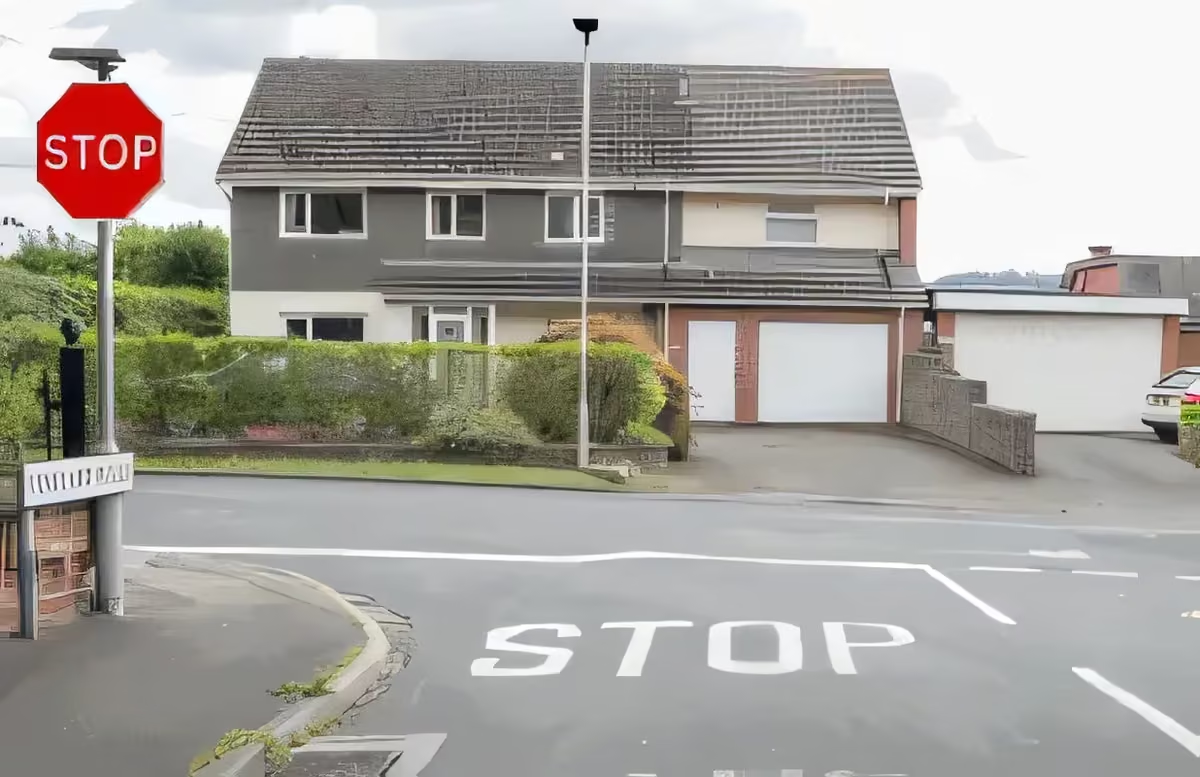
What must you do at this junction?
Explanation
The 'stop' sign has been put here because the view into the main road is poor. You must stop because it won't be possible to take proper observation while you're moving.
Question 33 of 48
You're driving in heavy traffic on a wet road. Which lights should you use if there's a lot of surface spray?
Explanation
You must make sure that other road users can see you, but you don't want to dazzle them. Use your dipped headlights during the day if visibility is poor. If visibility falls below 100 metres (328 feet), you may use your rear fog lights, but don't forget to turn them off when the visibility improves.
Question 34 of 48
Your vehicle has broken down on a motorway. In which direction should you walk to find the nearest emergency telephone?
Explanation
Along the hard shoulder there are marker posts at 100-metre intervals. These will direct you to the nearest emergency telephone.
Question 35 of 48
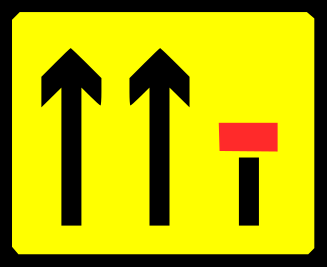
What does this sign mean?
Explanation
Yellow-and-black temporary signs may be used to inform you about roadworks or lane restrictions. Look well ahead. If you have to change lanes, do so in good time.
Question 36 of 48
As you approach a pelican crossing, the lights change to green. What should you do if older people are still crossing?
Explanation
If the lights turn to green, wait for any pedestrians to clear the crossing. Allow them to finish crossing the road in their own time, and don't try to hurry them by revving your engine.
Question 37 of 48
You're waiting to turn right at the end of a road. What should you do if your view is obstructed by parked vehicles?
Explanation
At junctions, your view is often restricted by buildings, trees or parked cars. You need to be able to see in order to judge a safe gap. Edge forward slowly and keep looking all the time. Don't cause other road users to change speed or direction as you emerge.
Question 38 of 48
In which conditions will your overall stopping distance increase?
Explanation
Extra care should be taken in wet weather. On wet roads, your stopping distance could be double that in dry conditions.
Question 39 of 48
You see a horse rider as you approach a roundabout. What should you do if they're signalling right but keeping well to the left?
Explanation
Allow the horse rider to enter and exit the roundabout in their own time. They may feel safer keeping to the left all the way around the roundabout. Don't get up close behind or alongside them, because that would probably upset the horse and create a dangerous situation.
Question 40 of 48
You're travelling in the left-hand lane of a three-lane motorway. How should you react to traffic joining from a slip road?
Explanation
Plan well ahead when approaching a slip road. If you see traffic joining the motorway, be prepared to adjust your speed or move to another lane if it's safe to do so. This can help the flow of traffic joining the motorway, especially at peak times.
Question 41 of 48
When should you use your vehicle's horn?
Explanation
You mustn't use your vehicle's horn between 11.30 pm and 7 am in a built-up area or when you're stationary, unless a moving vehicle poses a danger. Its function is to alert other road users to your presence.
Question 42 of 48
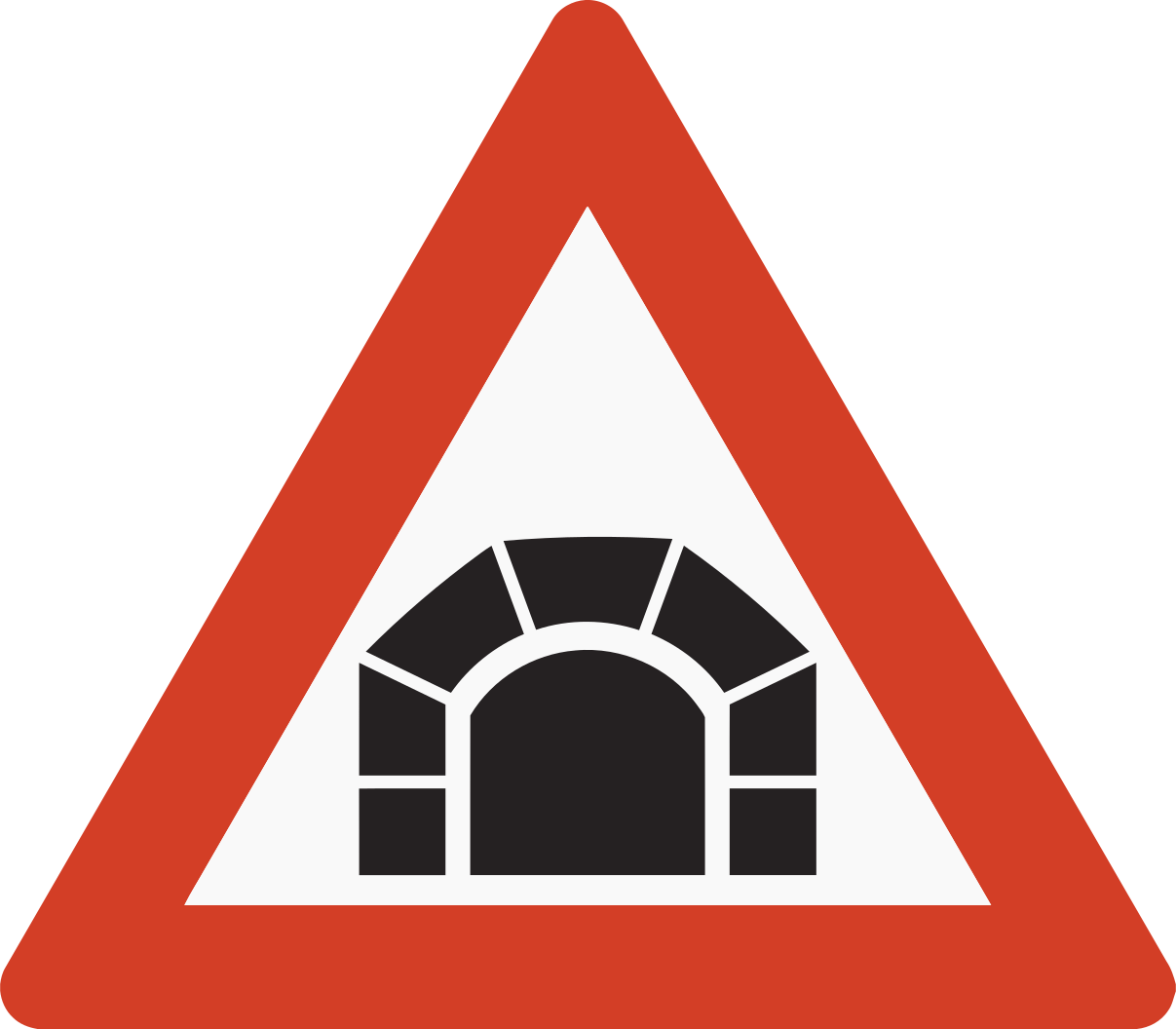
What does this sign mean?
Explanation
When approaching a tunnel, switch on your dipped headlights. Be aware that your eyes might need to adjust to the sudden darkness. You may need to reduce your speed.
Question 43 of 48
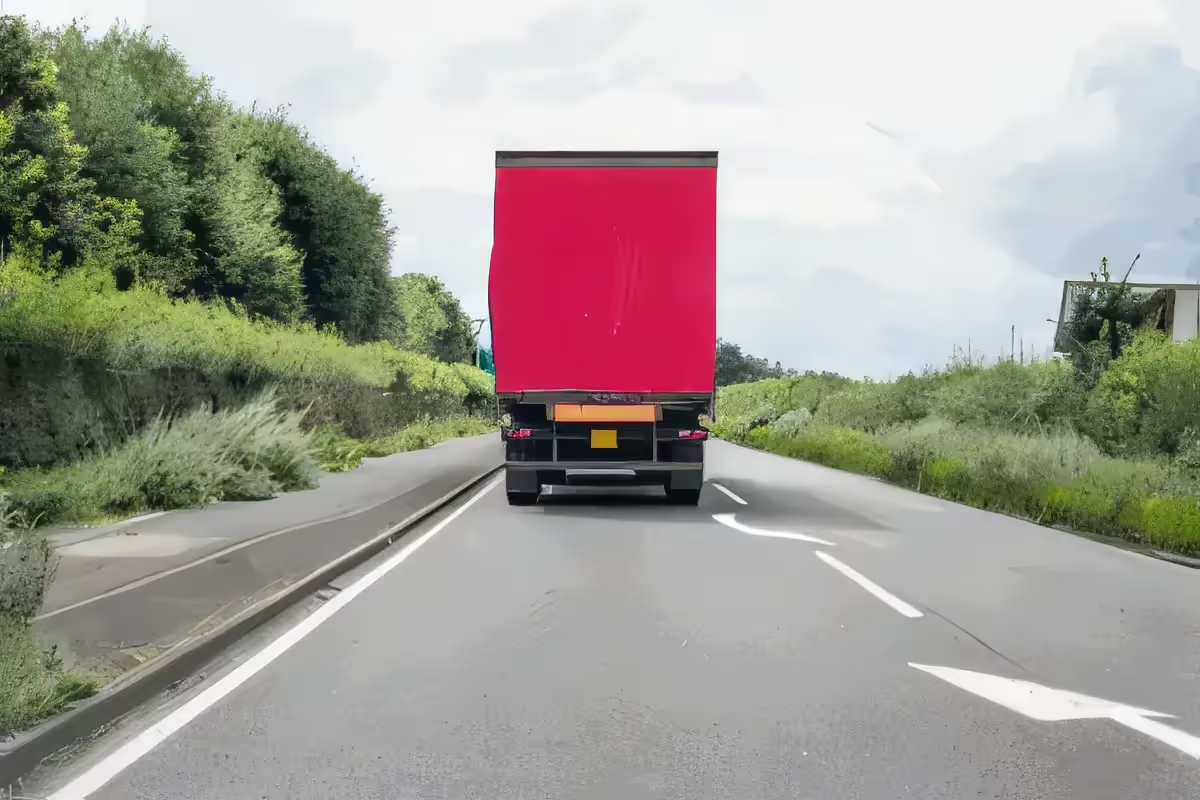
What will happen if you follow this vehicle too closely?
Explanation
Staying back will increase your view of the road ahead. This will help you to see any hazards that might occur and give you more time to react.
Question 44 of 48
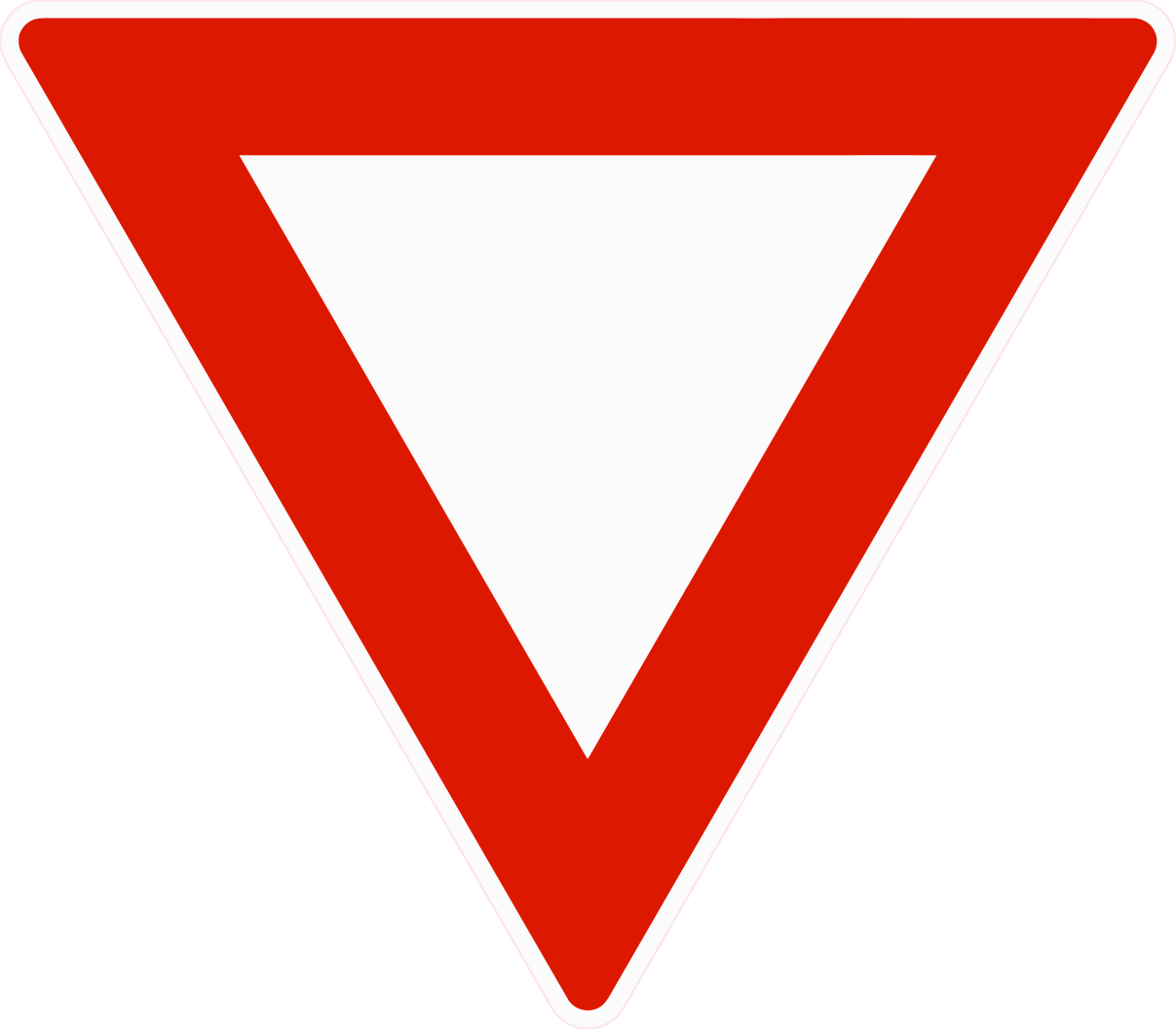
What information would be shown in a triangular road sign?
Explanation
Warning signs are there to make you aware of potential hazards on the road ahead. Take note of the signs so you're prepared and can take whatever action is necessary.
Question 45 of 48
When must you contact the Driver and Vehicle Licensing Agency (DVLA)?
Explanation
DVLA needs to keep its records up to date. It sends out a reminder when a vehicle's tax is due for renewal. To do this, it needs to know the name and address of the registered keeper. Every vehicle in the country is registered, so it's possible to trace its history.
Question 46 of 48
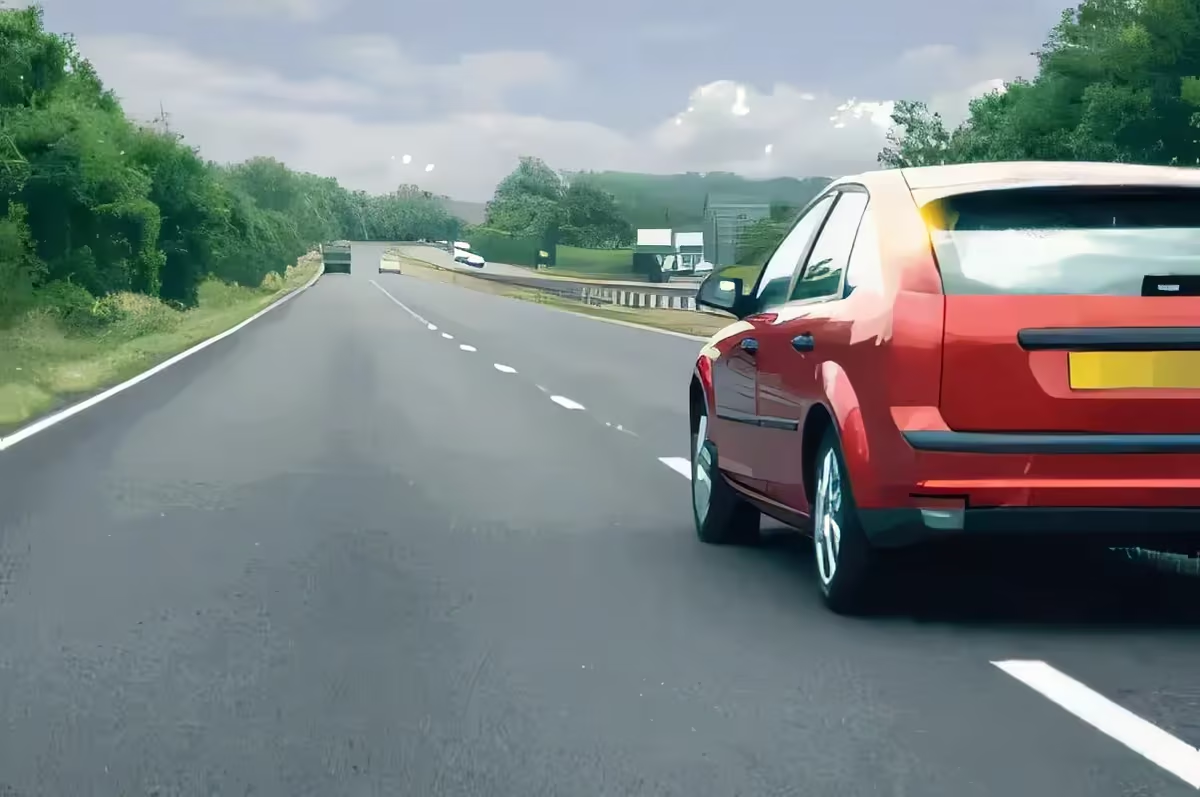
You're driving along this road. What should you do if the red car cuts in close in front of you?
Explanation
There are times when other drivers make incorrect or ill-judged decisions. Be tolerant and try not to retaliate or react aggressively. Always consider the safety of other road users, your passengers and yourself.
Question 47 of 48
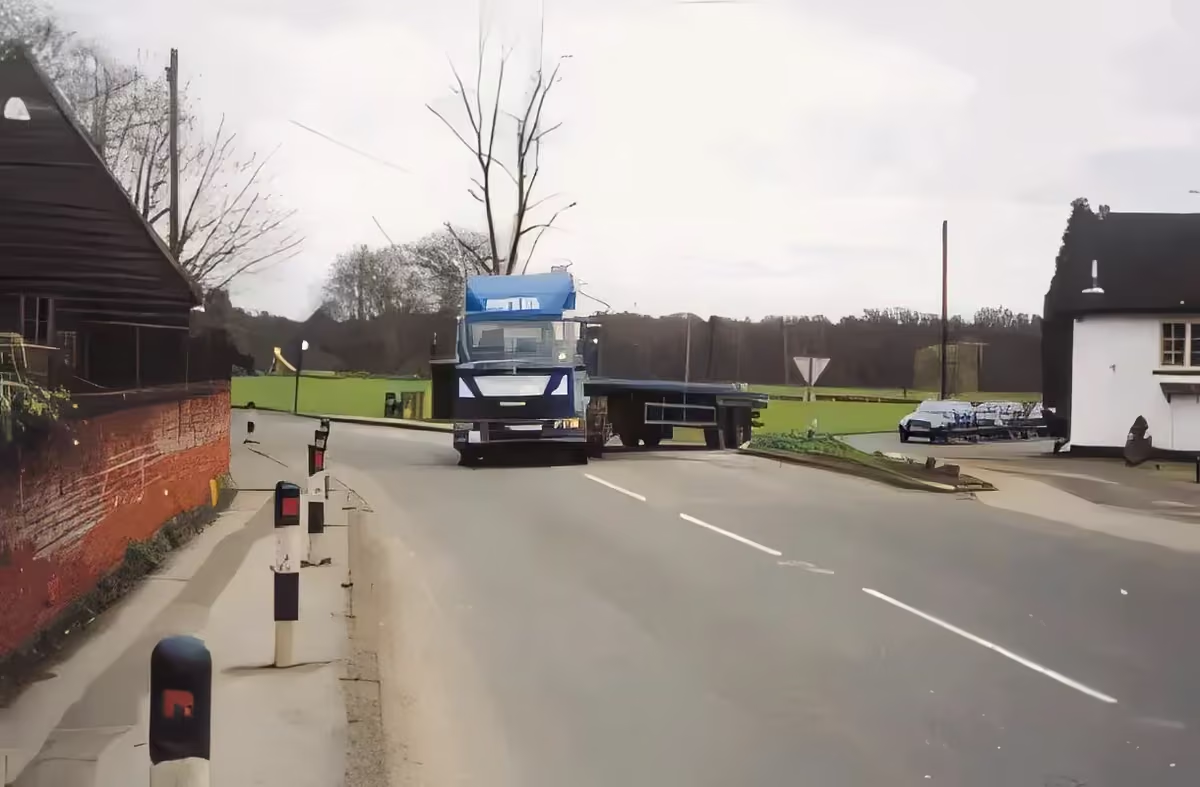
What should you be prepared to do in this situation?
Explanation
Sometimes, large vehicles may need more space than other road users. If a vehicle needs more time and space to turn, be prepared to stop and wait.
Question 48 of 48
You're following a cyclist. What should you do when you wish to turn left a short distance ahead?
Explanation
Make allowances for cyclists, and give them plenty of room. Don't overtake and then immediately turn left. Be patient and turn behind them when they've passed the junction.