Answer 48 questions, check each correct answer and work through the explanations at your own pace.
Question 1 of 480 correct answers
Question 1 of 48
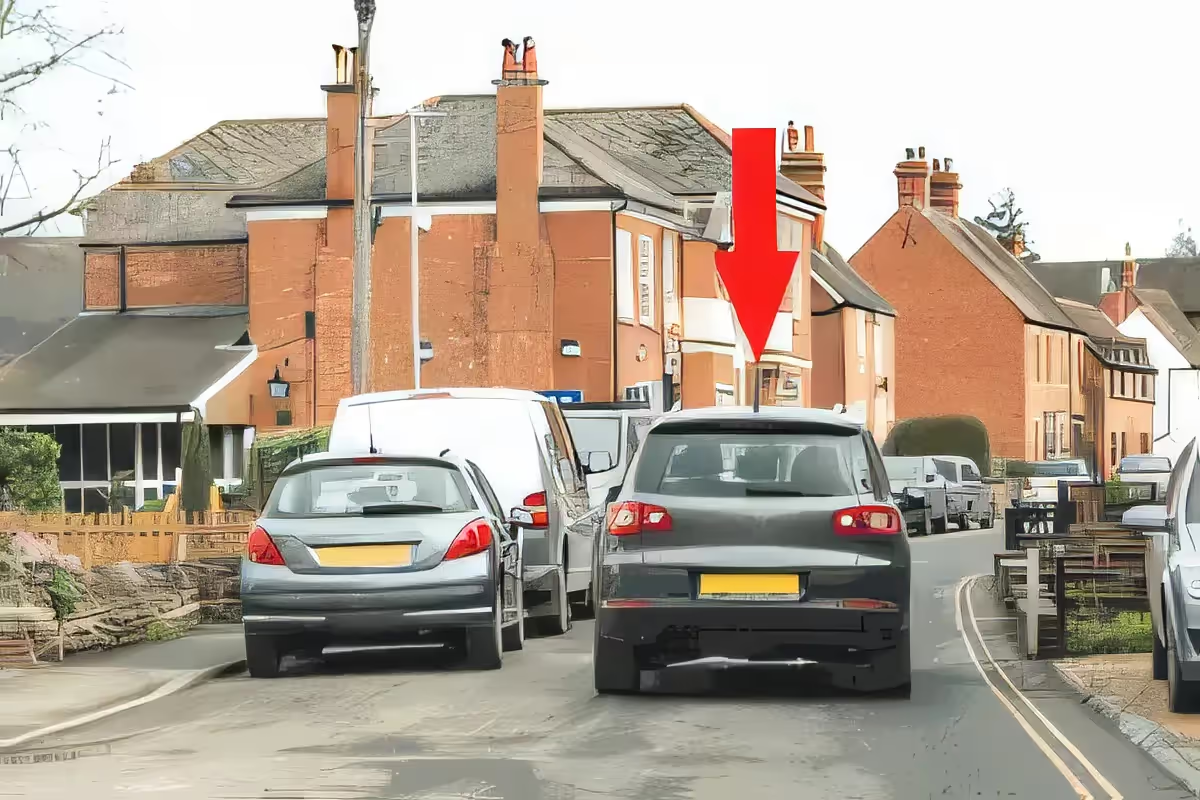
What should the driver of the grey car be especially aware of?
Explanation
When passing parked cars, there's a risk that a driver or passenger may not check before opening the door into the road. A defensive driver will drive slowly and be looking for people who may be about to get out of their car.
Question 2 of 48
What should you expect if you see this sign ahead?
Explanation
This sign indicates that the road will bend sharply to the left. Slow down in plenty of time and select the correct gear before you start to turn. Braking hard and late, while also sharply changing direction, is likely to cause a skid.
Question 3 of 48
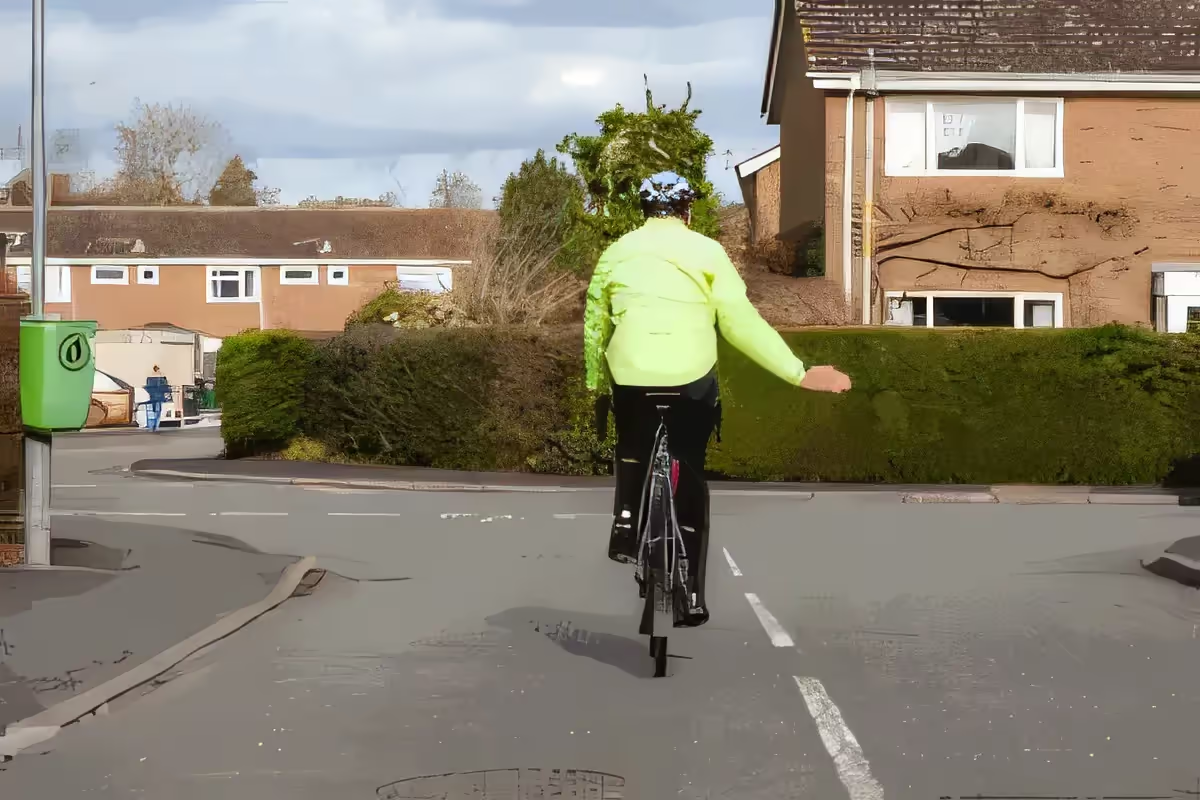
What should you do as you approach this cyclist?
Explanation
Keep well back and give the cyclist time and room to turn safely. Don't intimidate them by getting too close or trying to squeeze past.
Question 4 of 48
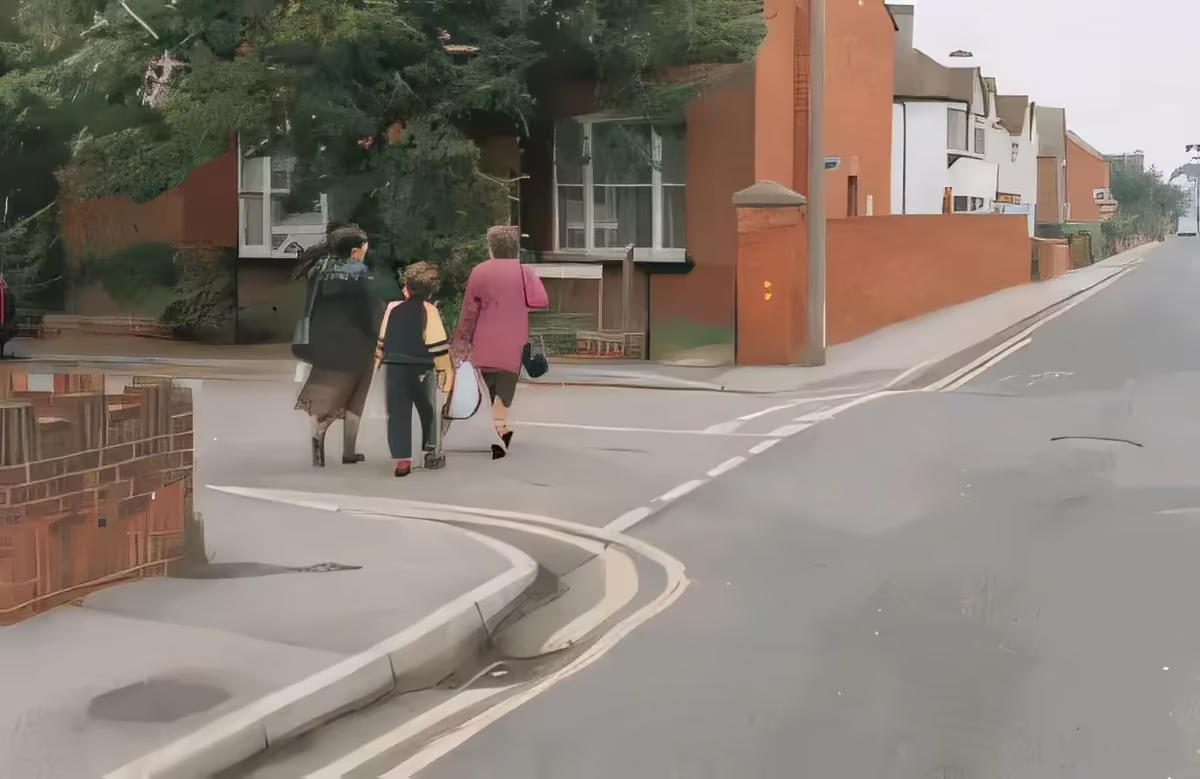
What should you do if you want to turn left at a junction where pedestrians have started to cross?
Explanation
When you're turning into a side road, pedestrians who are crossing have priority. You should wait to allow them to finish crossing safely. Be patient if they're slow or unsteady. Don't try to rush them by sounding your horn, flashing your lights, revving your engine or giving any other inappropriate signal.
Question 5 of 48
Why should you check for motorcyclists just before turning right into a side road?
Explanation
Never attempt to change direction to the right without first checking your right-hand mirror and blind spot. A motorcyclist might not have seen your signal and could be hidden by other traffic. This observation should become a matter of routine.
Question 6 of 48
Which is the most vulnerable road user?
Explanation
Pedestrians and riders on two wheels can be harder to see than other road users. Make sure you look for them, especially at junctions. Effective observation, coupled with appropriate action, can save lives.
Question 7 of 48
You're approaching a roundabout. What should you do if there are horses being ridden in front of you?
Explanation
Horse riders often keep to the outside of the roundabout even if they're turning right. Give them plenty of room and remember that they may have to cross lanes of traffic.
Question 8 of 48
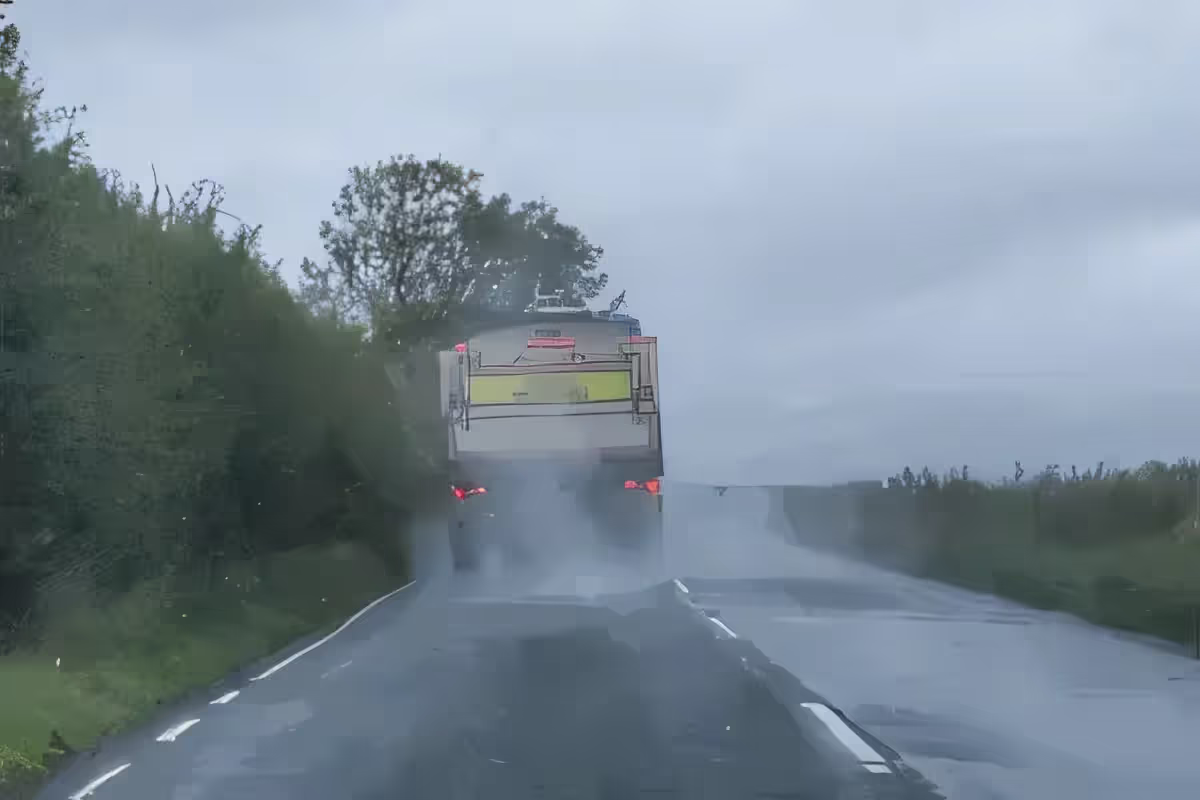
You're following a lorry on a wet road. What should you do when spray makes it difficult to see the road ahead?
Explanation
Large vehicles can throw up a lot of spray when it's wet. This makes it difficult for drivers behind to see the road ahead. You'll be able to see more by dropping back further, out of the spray. This will also increase your separation distance, giving you more room to stop if you have to.
Question 9 of 48
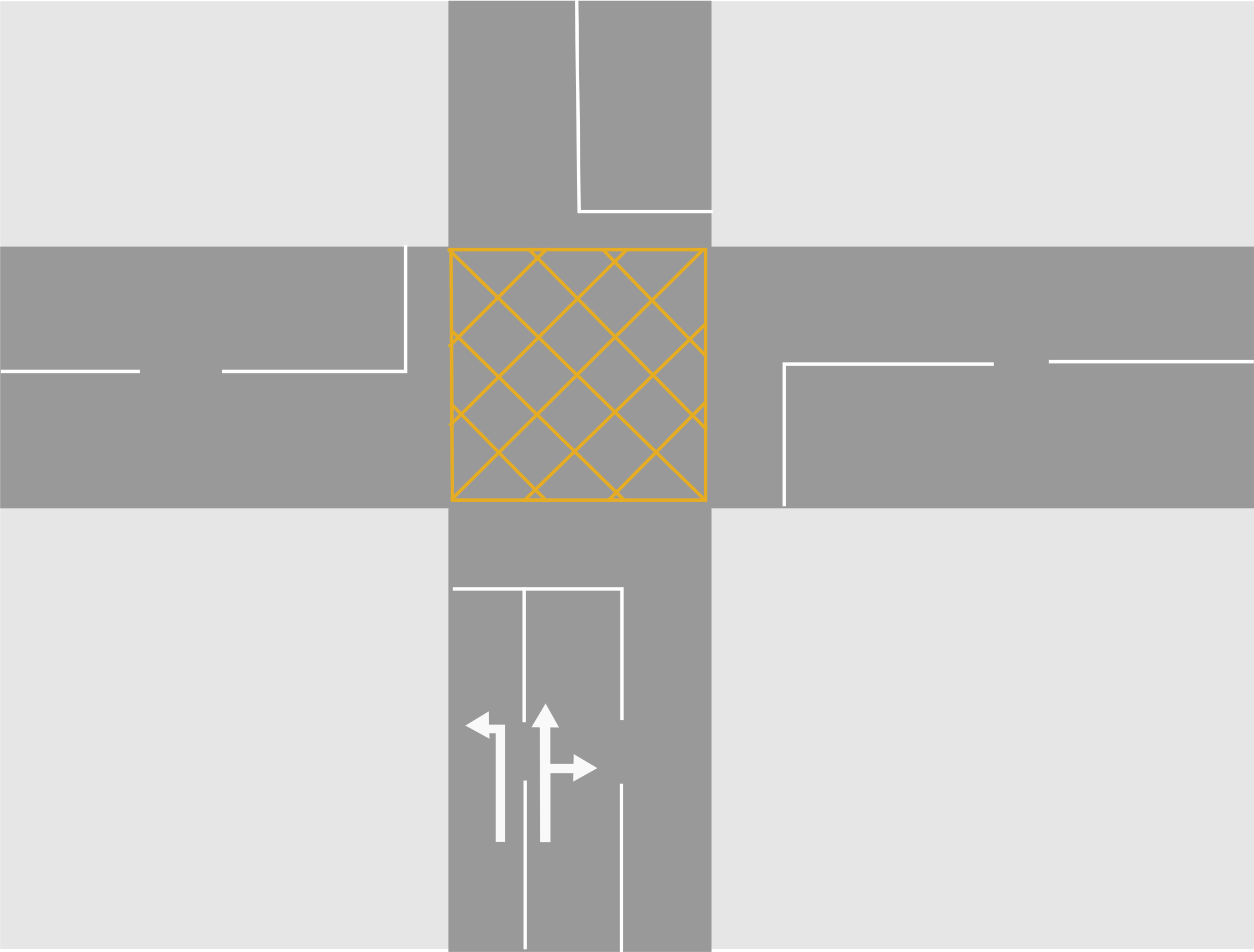
When may you wait in a box junction?
Explanation
The purpose of a box junction is to keep the junction clear by preventing vehicles from stopping in the path of crossing traffic. You mustn't enter a box junction unless your exit is clear. However, you may enter the box and wait if you want to turn right and are only prevented from doing so by oncoming traffic.
Question 10 of 48
Where are amber reflective studs found on a motorway?
Explanation
On motorways, reflective studs of various colours are fixed in the road between the lanes. These help you to identify which lane you're in when it's dark or in poor visibility. Amber-coloured studs are found on the right-hand edge of the main carriageway, next to the central reservation.
Question 11 of 48
What will the speed limit usually be where you can see street lights but no speed-limit signs?
Explanation
The presence of street lights generally indicates that there's a 30 mph speed limit, unless signs tell you otherwise.
Question 12 of 48
When may you stop on a clearway?
Explanation
Clearways are in place so that traffic can flow without the obstruction of parked vehicles. Just one parked vehicle can cause an obstruction for all other traffic. You mustn't stop where a clearway is in force, not even to pick up or set down passengers.
Question 13 of 48
Which vehicle might have to take a different course from normal at a roundabout?
Explanation
A long vehicle may have to straddle lanes either on or approaching a roundabout so that the rear wheels don't mount the kerb. If you're following a long vehicle, stay well back and give it plenty of room.
Question 14 of 48
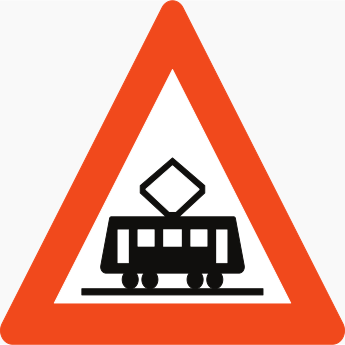
What does this sign mean?
Explanation
This sign tells you to beware of trams. If you don't usually drive in a town where there are trams, remember to look out for them at junctions and look for tram rails, signs and signals.
Question 15 of 48
The fluid level in your battery is low. What fluid should you use to top it up?
Explanation
Some modern batteries are maintenance free. Check your vehicle handbook and, if necessary, make sure that the plates in each battery cell are covered with fluid.
Question 16 of 48
You've just passed your first practical driving test. What will you have to do if you get six penalty points on your licence in the next two years?
Explanation
If you accumulate six or more penalty points within two years of gaining your first full licence, it will be revoked. The six or more points include any gained due to offences you committed before passing your test. If this happens, you may only drive as a learner until you pass both the theory and practical tests again.
Question 17 of 48
What must you do if you come across roadworks that have a temporary speed limit displayed?
Explanation
Where there are extra hazards, such as at roadworks, it's often necessary to slow traffic by imposing a lower speed limit. These speed limits aren't advisory; they must be obeyed.
Question 18 of 48
What can cause excessive or uneven tyre wear?
Explanation
If you see that parts of the tread on your tyres are wearing before others, it may indicate a brake, suspension or wheel-alignment fault. Regular servicing will help to detect faults at an early stage and this will avoid the risk of minor faults becoming serious or even dangerous.
Question 19 of 48
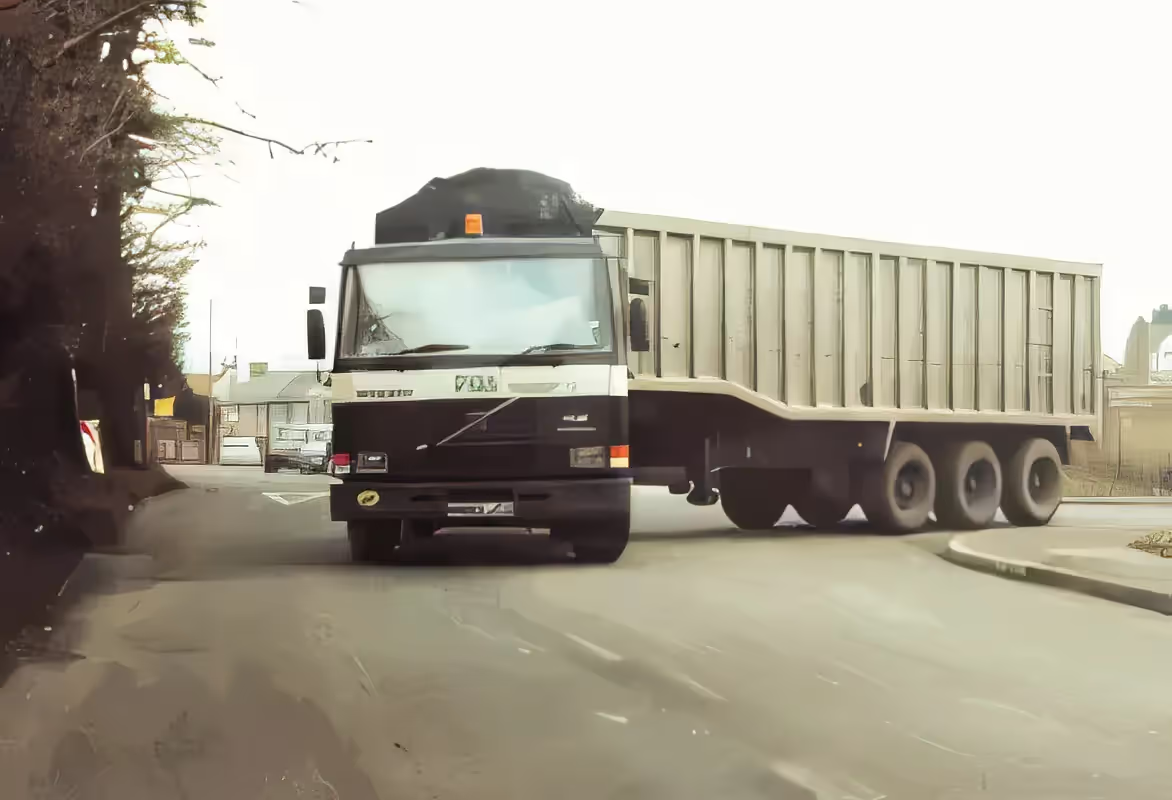
What should you do as you approach this lorry?
Explanation
When turning, long vehicles need much more room on the road than other vehicles. At junctions, they may take up the whole of the road space, so be patient and allow them the room they need.
Question 20 of 48
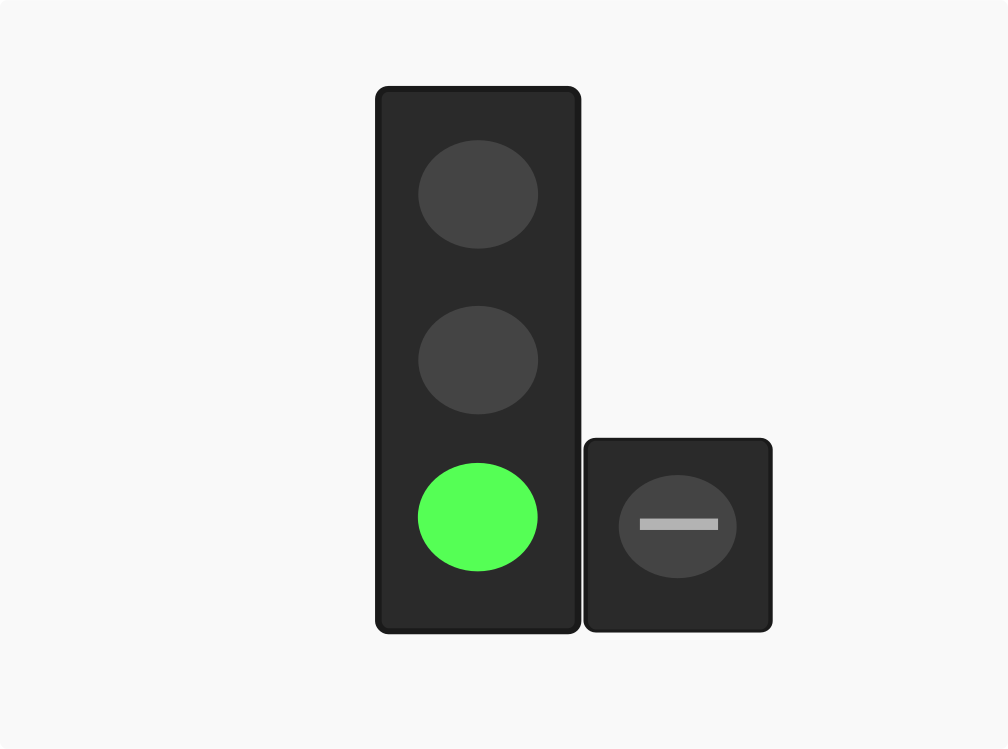
What does this signal mean?
Explanation
The white light shows that trams must stop. The green light shows that other vehicles can go if the way is clear. Trams are being introduced into more cities, so you're likely to come across them and you should learn which signs apply to them.
Question 21 of 48
You're following a vehicle on a wet road. You stay a safe distance behind it. What should you do if a driver overtakes you and pulls into the gap you've left?
Explanation
Wet weather will affect the time it takes for you to stop and can affect your control. Your speed should allow you to stop safely and in good time. If another vehicle pulls into the gap you've allowed, ease back until you've regained your stopping distance.
Question 22 of 48
You're on a motorway that isn't subject to smart motorway regulations. When should you use the hard shoulder?
Explanation
Don't use the hard shoulder for stopping unless it's an emergency. If you want to stop for any other reason, go to the next exit or service area.
Question 23 of 48
How should you use the lanes on a motorway?
Explanation
You should normally travel in the left-hand lane unless you're overtaking a slower-moving vehicle. When you've finished overtaking, move back into the left-hand lane, but don't cut across in front of the vehicle that you've overtaken.
Question 24 of 48
For how long is a Statutory Off-Road Notification (SORN) valid?
Explanation
A SORN allows you to keep a vehicle off-road and untaxed. SORN will end when the vehicle is taxed, sold or scrapped.
Question 25 of 48
How will your journey be affected by travelling outside the busy times of day?
Explanation
If possible, avoid the early morning, late afternoon and early evening 'rush hour'. Doing this should allow you to have a better journey, with fewer delays. This should help you to arrive at your destination feeling less stressed.
Question 26 of 48
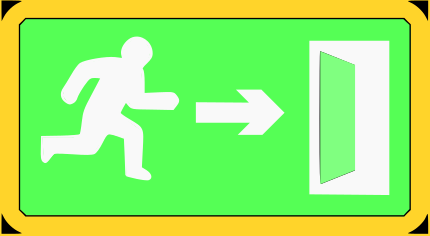
You're in a tunnel and you see this sign. What does it mean?
Explanation
If you have to leave your vehicle and get out of a tunnel by an emergency exit, do so as quickly as you can. Follow the signs directing you to the nearest exit point. If there are several people using the exit, don't panic but try to leave in a calm and orderly manner.
Question 27 of 48
When may you stop on a motorway?
Explanation
You shouldn't normally stop on a motorway, but there may be occasions when you need to do so. If your vehicle breaks down or there's an emergency, stop on the hard shoulder and use the emergency telephones to call for assistance.
Question 28 of 48
What's the national speed limit for a car or motorcycle on a motorway?
Explanation
The national speed limit for a car or motorcycle on a motorway is 70 mph. Lower speed limits may be in force; for example, at roadworks. Variable speed limits also operate in some areas when the motorway is very busy. Cars or motorcycles towing trailers are subject to a lower speed limit.
Question 29 of 48
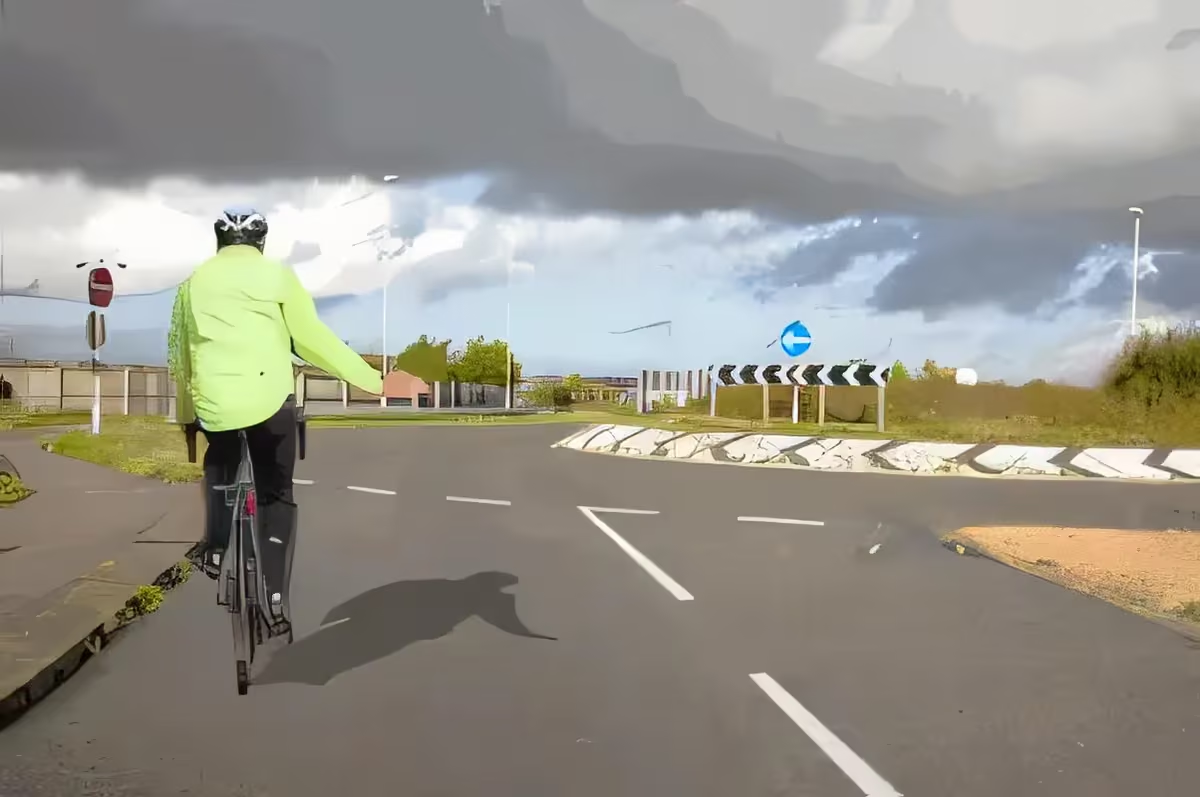
You're approaching this roundabout. What should you do when a cyclist is keeping to the left while signalling to turn right?
Explanation
Cycling in today's heavy traffic can be hazardous. Some cyclists may not feel safe crossing the path of traffic to take up a position in an outside lane. Be aware of this and understand that, although they're in the left-hand lane, the cyclist might be turning right.
Question 30 of 48
What does it mean if you see a pedestrian with a dog that has a yellow or burgundy coat?
Explanation
Dogs trained to help deaf people have a yellow or burgundy coat. If you see one, you should take extra care, as the pedestrian may not be aware of vehicles approaching.
Question 31 of 48
You're going through a long tunnel. What will warn you of congestion or an incident ahead?
Explanation
Follow the instructions given by the signs or by tunnel officials. In congested tunnels, a minor incident can soon turn into a major one, with serious or even fatal results.
Question 32 of 48
At an incident, someone is suffering from severe burns. How could you help them?
Explanation
Your priority is to cool the burns with clean, cool water. Its coolness will help take the heat out of the burns and relieve the pain. Keep the wound doused for at least 20 minutes. If blisters appear, don't attempt to burst them, as this could lead to infection.
Question 33 of 48
There's been a collision. A motorcyclist is lying injured and unconscious. Why should you only remove their helmet if it's essential?
Explanation
When someone is injured, any movement that isn't absolutely necessary should be avoided, since it could make the injuries worse. Unless it's essential to remove a motorcyclist's helmet, it's generally safer to leave it in place.
Question 34 of 48
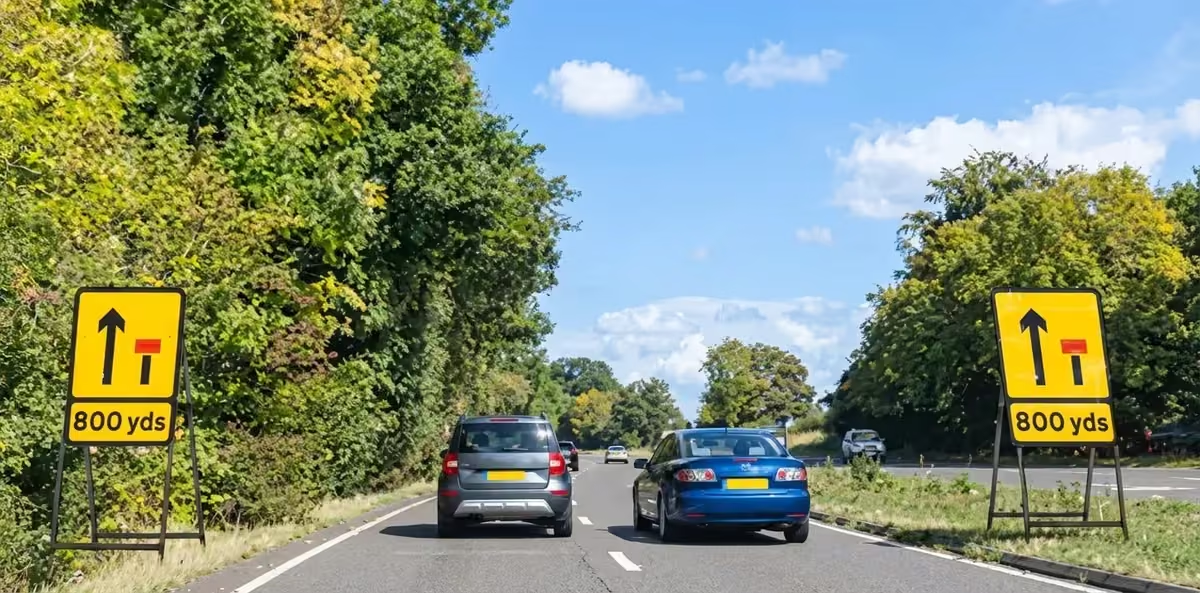
What might you expect to happen in this situation?
Explanation
Be courteous and allow the traffic to merge into the left-hand lane.
Question 35 of 48
What may help to deter a thief from stealing your car?
Explanation
Having your car registration number etched on all your windows is a cheap and effective way to deter professional car thieves.
Question 36 of 48
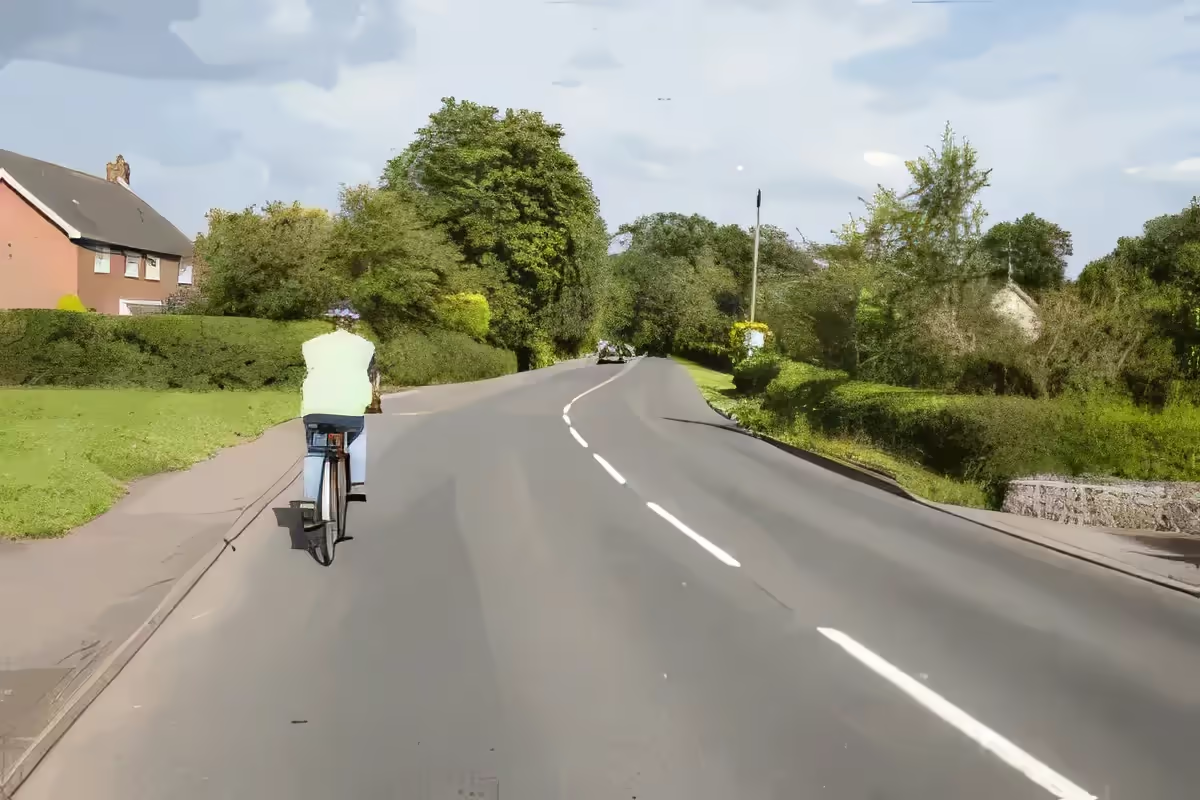
You're travelling along this road. How should you pass the cyclist?
Explanation
Allow the cyclist plenty of room in case they wobble or swerve around a pothole or raised drain. Look well ahead before you start to overtake, because you'll need to cross the hazard line. Look for entrances where vehicles could be waiting to pull out.
Question 37 of 48
What should you do if a vehicle pulls out in front of you at a junction?
Explanation
Try to anticipate what other drivers might do. Look and plan ahead so that you're ready to respond safely if a hazard develops. Be tolerant of road users who make mistakes.
Question 38 of 48
You're driving on a motorway. What does it mean if the car in front shows its hazard warning lights for a short time?
Explanation
If the vehicle in front shows its hazard warning lights, there may be an incident, stopped traffic or queuing traffic ahead. By keeping a safe distance from the vehicle in front, you're able to look beyond it and see any hazards well ahead.
Question 39 of 48
When should you use hazard warning lights?
Explanation
Hazard warning lights are an important safety feature and should be used if you've broken down and are causing an obstruction. Don't use them as an excuse to park illegally. You may also use them on motorways to warn traffic behind you of danger ahead.
Question 40 of 48
What can you do to reduce environmental damage caused by your vehicle?
Explanation
Avoid using your car for short journeys. On a short journey, the engine is unlikely to warm up fully and will therefore be running less efficiently. This will result in the car using more fuel and emitting higher levels of harmful emissions.
Question 41 of 48
How should you use anti-lock brakes when you need to stop in an emergency?
Explanation
If you have ABS and need to stop in an emergency, keep your foot firmly on the brake pedal until the vehicle has stopped. When the ABS operates, you may hear a grating sound and feel vibration through the brake pedal. This is normal and you should maintain pressure on the brake pedal until the vehicle stops.
Question 42 of 48
You're driving at night. What should you do if you're dazzled by a vehicle behind you?
Explanation
The interior mirror of most vehicles can be set to an anti-dazzle position. You'll still be able to see the lights of the traffic behind you, but the dazzle will be greatly reduced.
Question 43 of 48
You're driving towards a zebra crossing. What should you do if a person in a wheelchair is waiting to cross?
Explanation
You should slow down and be prepared to stop, as you would for an able-bodied person. Don't wave them across, as other traffic may not stop.
Question 44 of 48
What should you do if your vehicle breaks down in a tunnel?
Explanation
A broken-down vehicle in a tunnel can cause serious congestion and danger to other road users. If your vehicle breaks down, get help without delay. Switch on your hazard warning lights, then go to an emergency telephone to call for help.
Question 45 of 48
What can you achieve if you drive smoothly?
Explanation
By driving smoothly, you'll not only save about 15% of your fuel but will also reduce the amount of wear and tear on your vehicle and the level of pollution it produces. You're also likely to feel more relaxed and have a more pleasant journey.
Question 46 of 48
You wish to tow a trailer. Where would you find the maximum noseweight for your vehicle's tow hitch?
Explanation
You must know how to load your trailer or caravan so that the hitch exerts an appropriate downward force on the tow ball. Information about the maximum permitted noseweight can be found in your vehicle handbook or obtained from your vehicle manufacturer's agent.
Question 47 of 48
What can result when you travel for long distances in neutral (known as coasting)?
Explanation
Coasting is the term used when the clutch is held down, or the gear lever is in neutral, and the vehicle is allowed to freewheel. This reduces the driver's control of the vehicle. When you coast, the engine can't drive the wheels to stabilise you through a corner, or give the assistance of engine braking to help slow the car.
Question 48 of 48
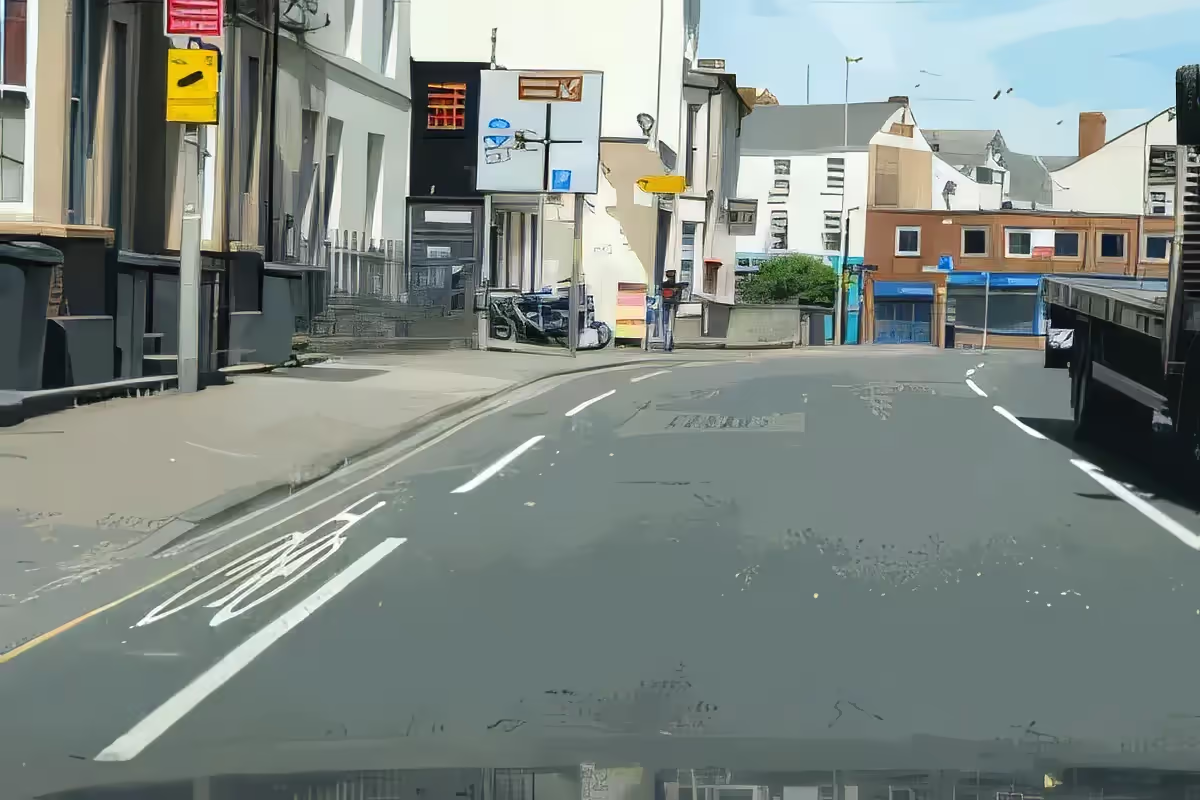
You're driving on a road that has a cycle lane. What does it mean if the lane is marked by a broken white line?
Explanation
Cycle lanes are marked with either a solid or a broken white line. If the line is solid, you should check the times of operation shown on the signs, and not drive or park in the lane during those times. If the line is broken, you shouldn't drive or park in the lane unless it's unavoidable.