Question 1 of 48
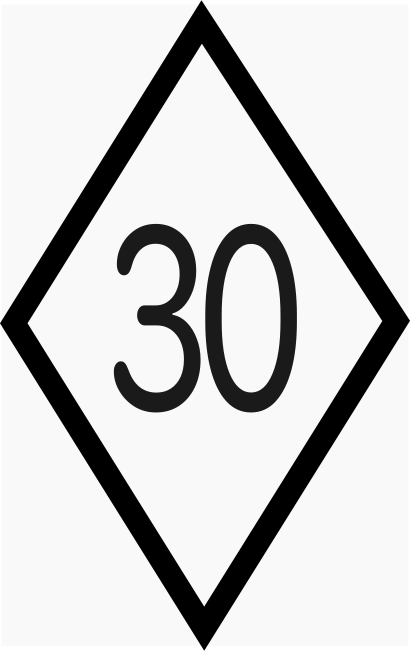
Who should obey diamond-shaped traffic signs?
Explanation
These signs apply only to tram drivers, but you should know their meaning so that you're aware of the priorities and are able to anticipate the actions of the driver.
Free practice test
Answer 48 questions, check each correct answer and work through the explanations at your own pace.
Question 1 of 48
Explanation
These signs apply only to tram drivers, but you should know their meaning so that you're aware of the priorities and are able to anticipate the actions of the driver.
Question 2 of 48
Explanation
Tyre grip is greatly reduced in icy conditions. For this reason, you need to allow up to ten times the stopping distance you would allow on dry roads.
Question 3 of 48
Explanation
Make sure that you've reduced your speed and are in the correct gear for the turn. Look into the road before you turn and always give way to any pedestrians who are crossing.
Question 4 of 48
Explanation
If a school crossing patrol steps out into the road with a 'stop' sign, you must stop. Don't wave anyone across the road and don't get impatient or rev your engine.
Question 5 of 48
Explanation
The road will be very wet and spray from other vehicles will reduce your visibility. Tyre grip will also be reduced, increasing your stopping distance. You should at least double your separation distance to make sure you can stop safely in the space you've allowed.
Question 6 of 48
Explanation
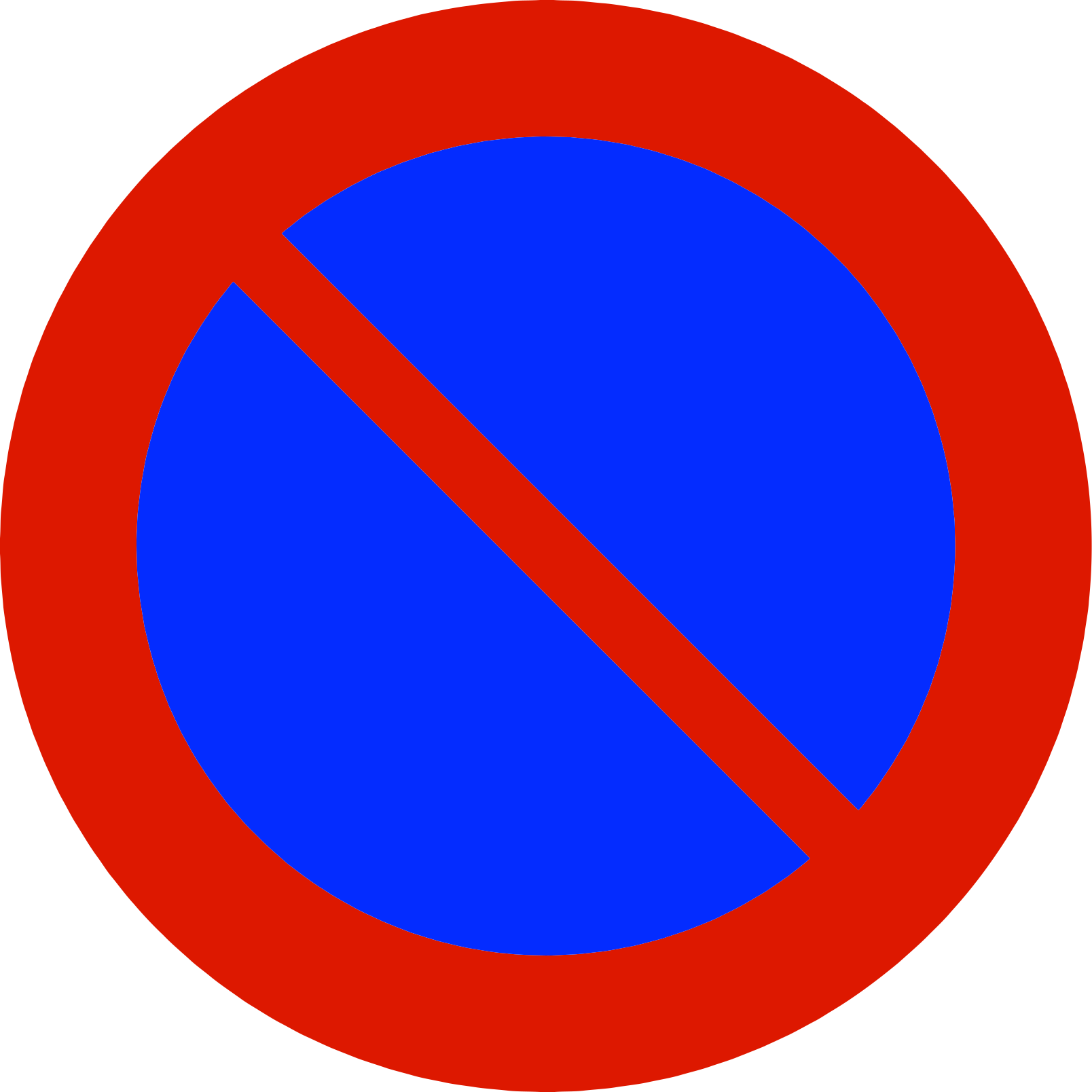
This sign indicates that there are waiting restrictions. It's normally accompanied by details of when the restrictions are in force. Details of most signs in common use are shown in The Highway Code. For more comprehensive coverage, see Know Your Traffic Signs.
Question 7 of 48
Explanation
Red rear reflectors show up when headlights shine on them. These are useful when you're parked at night, but they'll only reflect if you park in the same direction as the traffic flow. Normally you should park on the left, but in a one-way street you may also park on the right-hand side of the road.
Question 8 of 48
Explanation
There are times when road markings are obscured by queuing traffic, or you're unsure which lane to use. If, at the last moment, you find you're in the wrong lane, don't cut across or bully other drivers to let you in. Follow the lane you're in and find somewhere safe to turn around and rejoin your route.
Question 9 of 48
Explanation
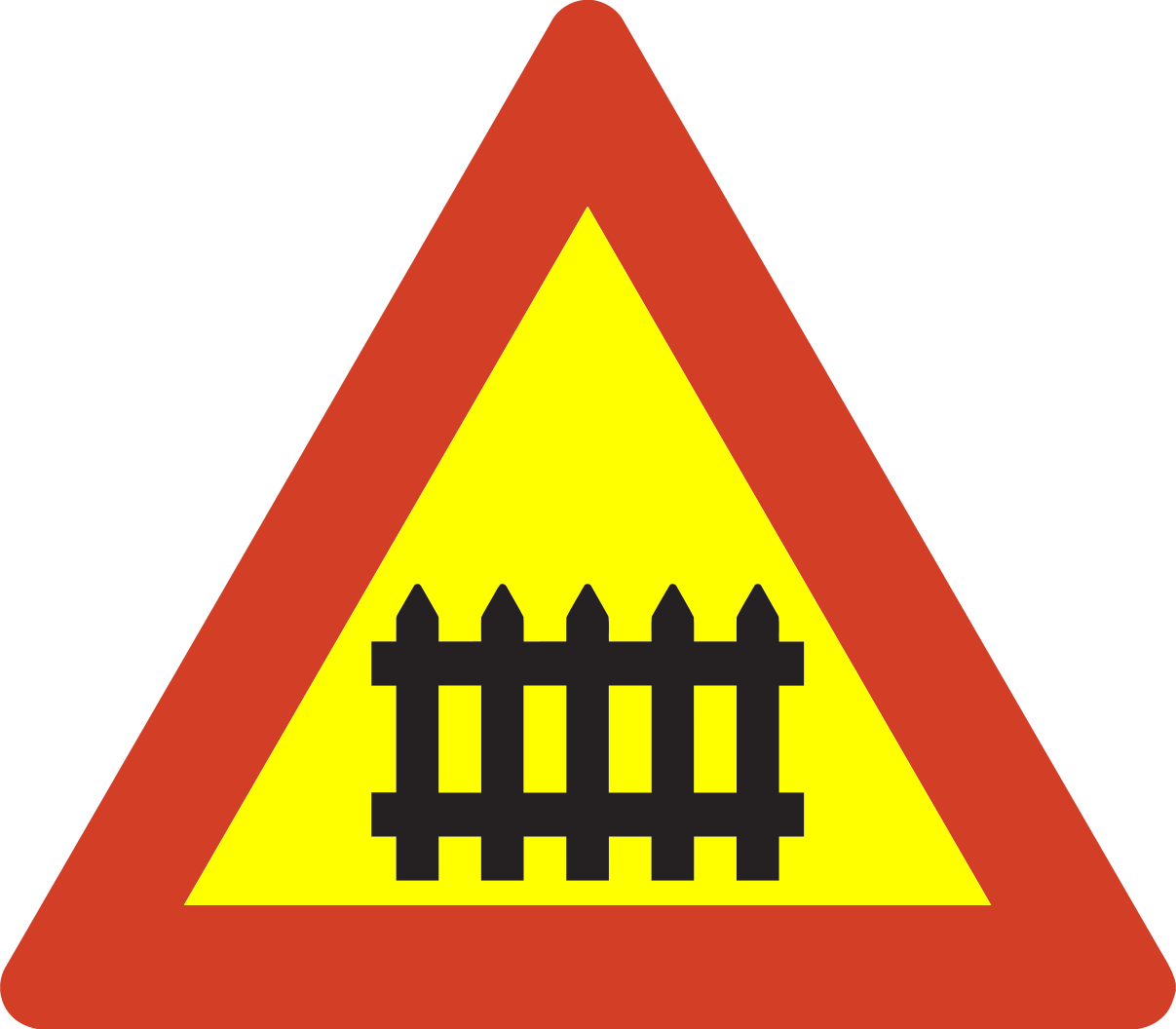
Some crossings have gates but no attendant or signals. You should stop, look both ways, listen and make sure that no train is approaching. If there's a telephone, contact the signal operator to make sure it's safe to cross.
Question 10 of 48

Explanation
You might see this sign where traffic lights are out of order. Proceed with caution, as nobody has priority at the junction.
Question 11 of 48
Explanation
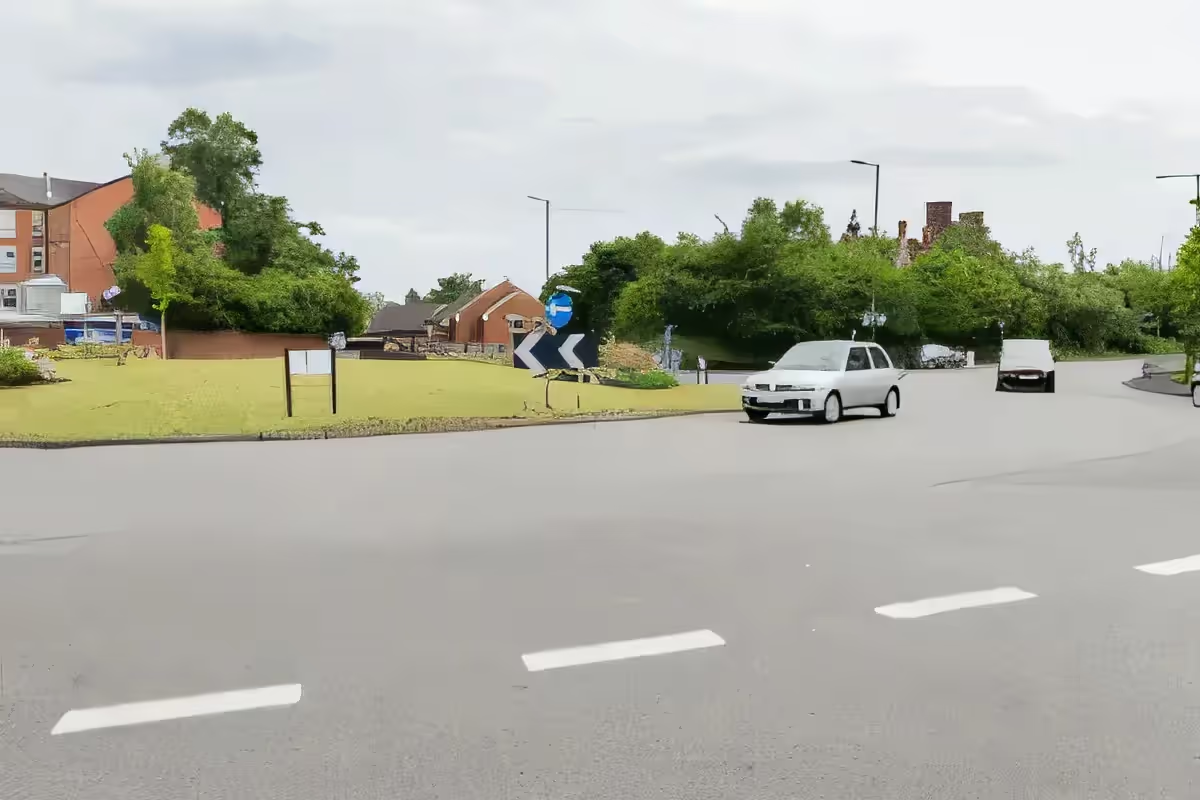
Slow down as you approach the roundabout and check for traffic from the right. If you need to stop and give way, stay behind the broken line until it's safe to emerge onto the roundabout.
Question 12 of 48
Explanation
The longer traffic lights have been green, the sooner they'll change. Allow for this as you approach traffic lights that you know have been green for a while. They're likely to change soon, so you should be prepared to stop.
Question 13 of 48
Explanation
Passing the moped and turning into the junction could mean that you cut across the front of the rider. This might force them to slow down, stop or even lose control. Stay behind the moped until it has passed the junction and then you can turn without affecting the rider.
Question 14 of 48
Explanation
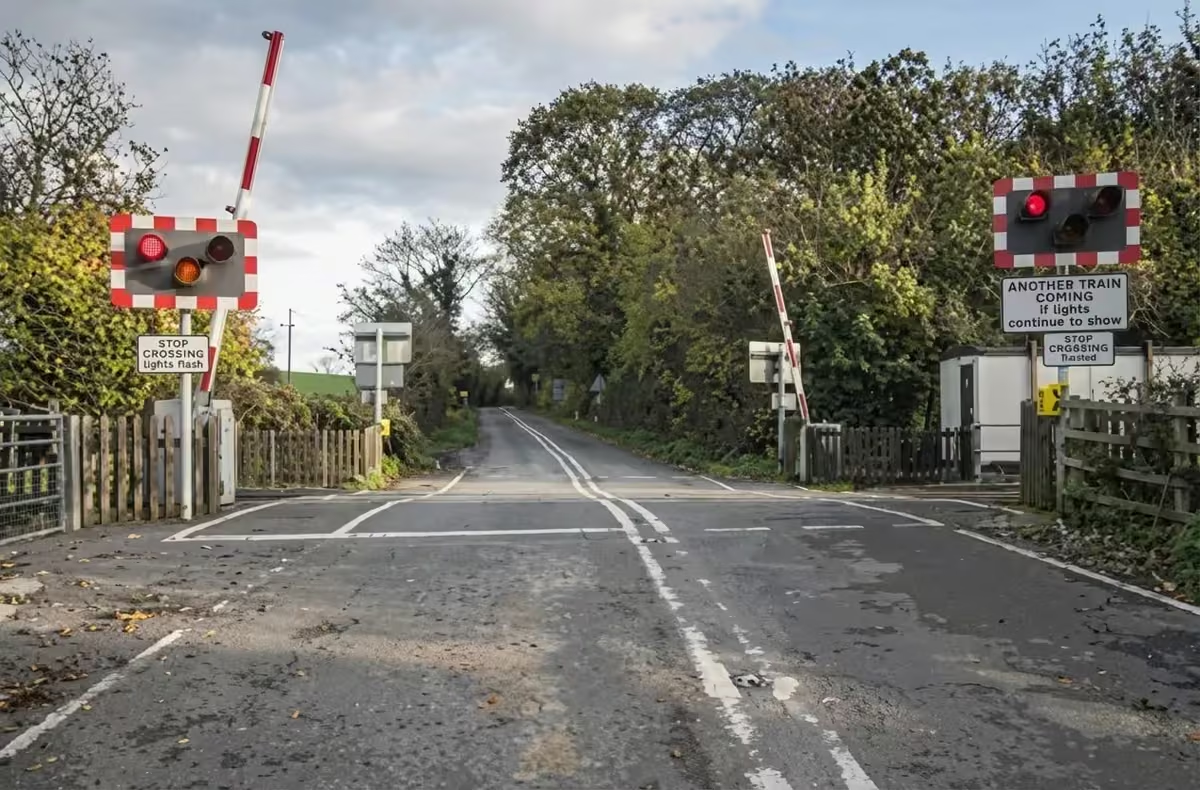
At level crossings, the red lights flash before and while the barrier is down. At most crossings, an amber light will precede the red lights. You must stop behind the white line unless you've already crossed it when the amber light comes on. Don't be tempted to zigzag around half-barriers.
Question 15 of 48
Explanation
A red cross above your lane shows that your lane is closed. You should move into another lane as soon as you can do so safely.
Question 16 of 48
Explanation
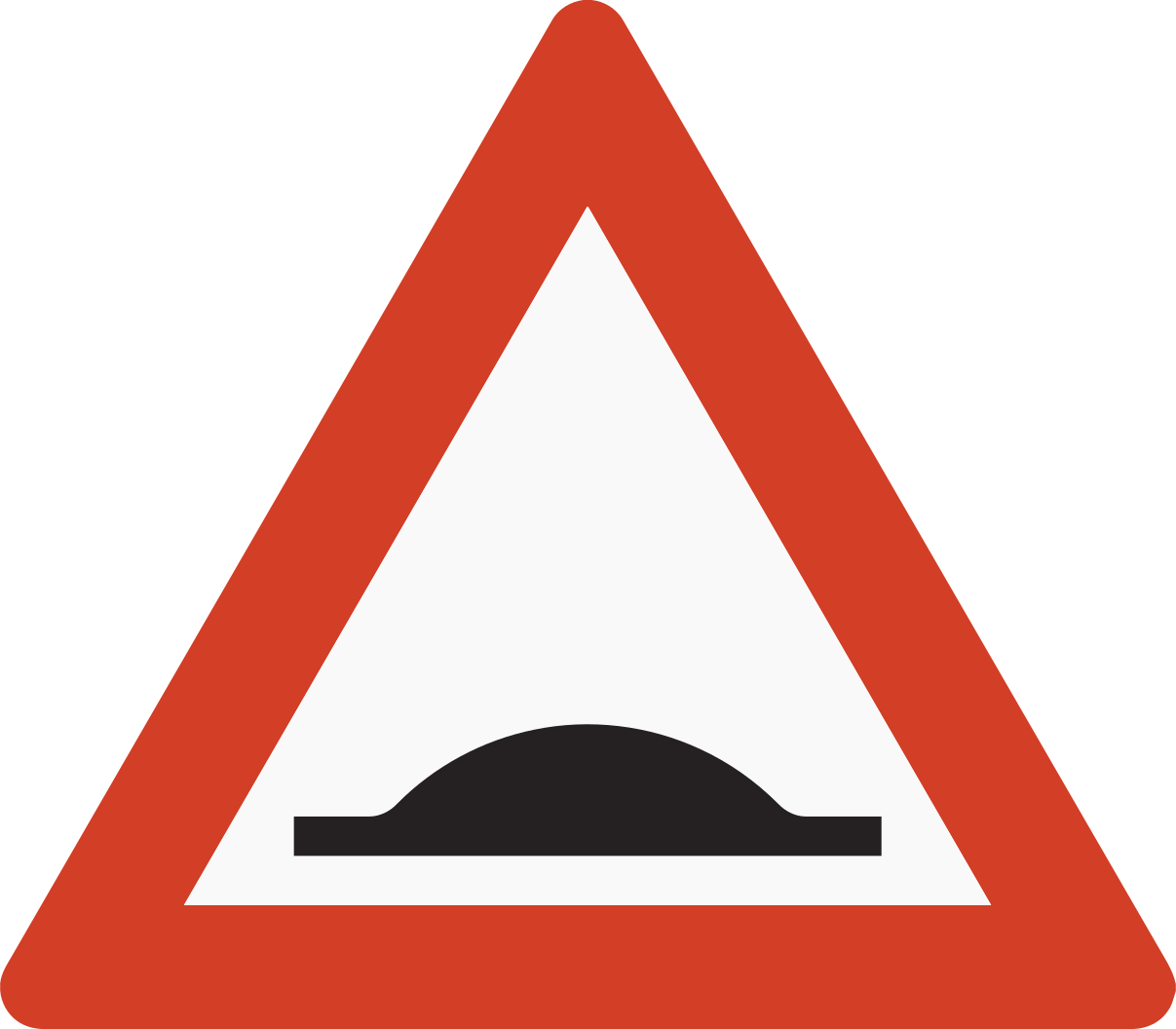
Be patient and stay behind the car in front. You shouldn't normally overtake other vehicles in areas subject to traffic calming. If you overtake here, you may easily exceed the speed limit, defeating the purpose of the traffic-calming measures.
Question 17 of 48
Explanation
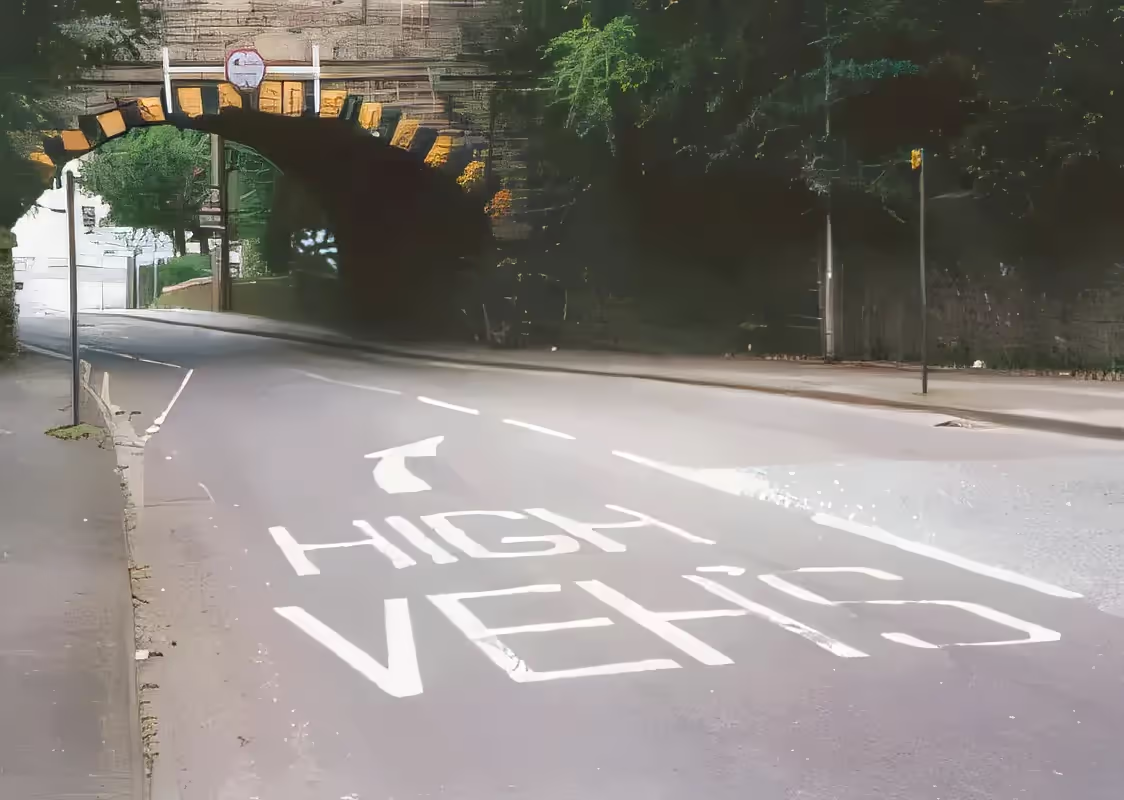
Oncoming large vehicles may need to move to the middle of the road to pass safely under the bridge. There won't be enough room for you to continue, so you should be ready to stop and wait.
Question 18 of 48
Explanation
Top up the battery with distilled water and make sure each cell plate is covered.
Question 19 of 48
Explanation
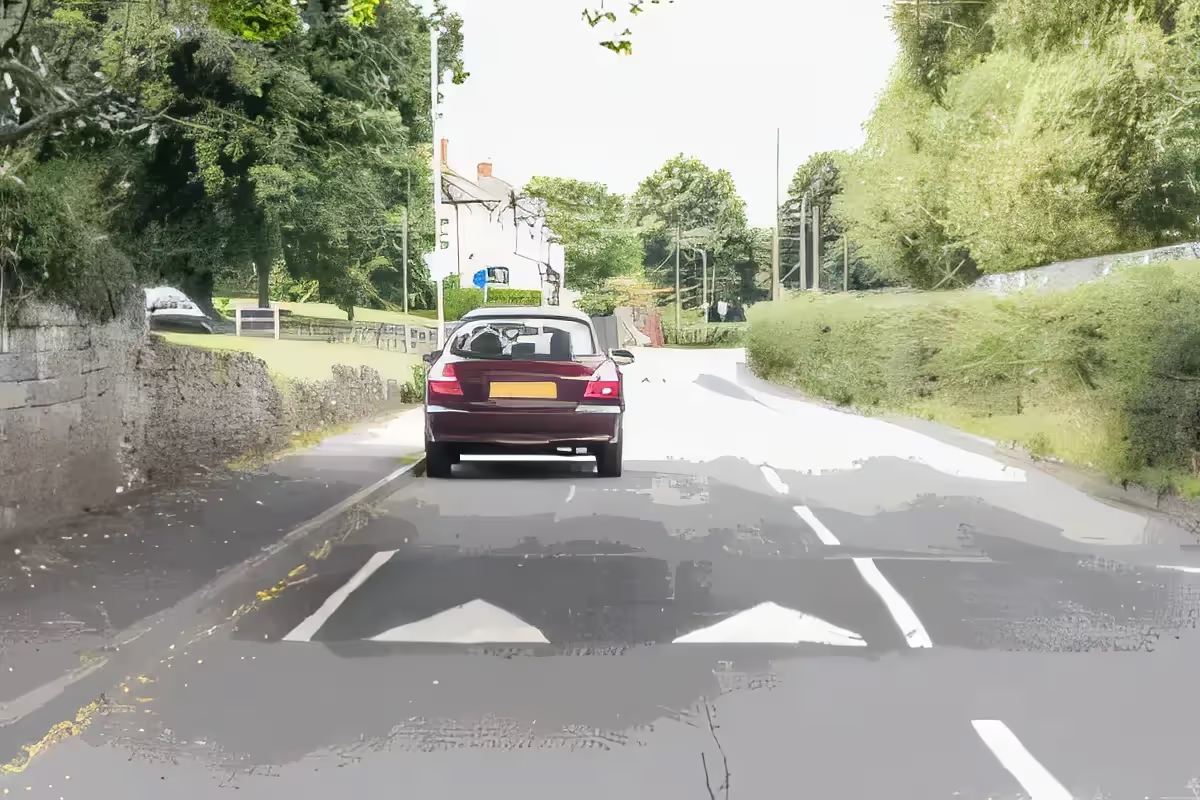
Traffic-calming measures such as road humps, chicanes and narrowings are intended to slow drivers down to protect vulnerable road users. Don't speed up until you reach the end of the traffic-calmed zone.
Question 20 of 48
Explanation
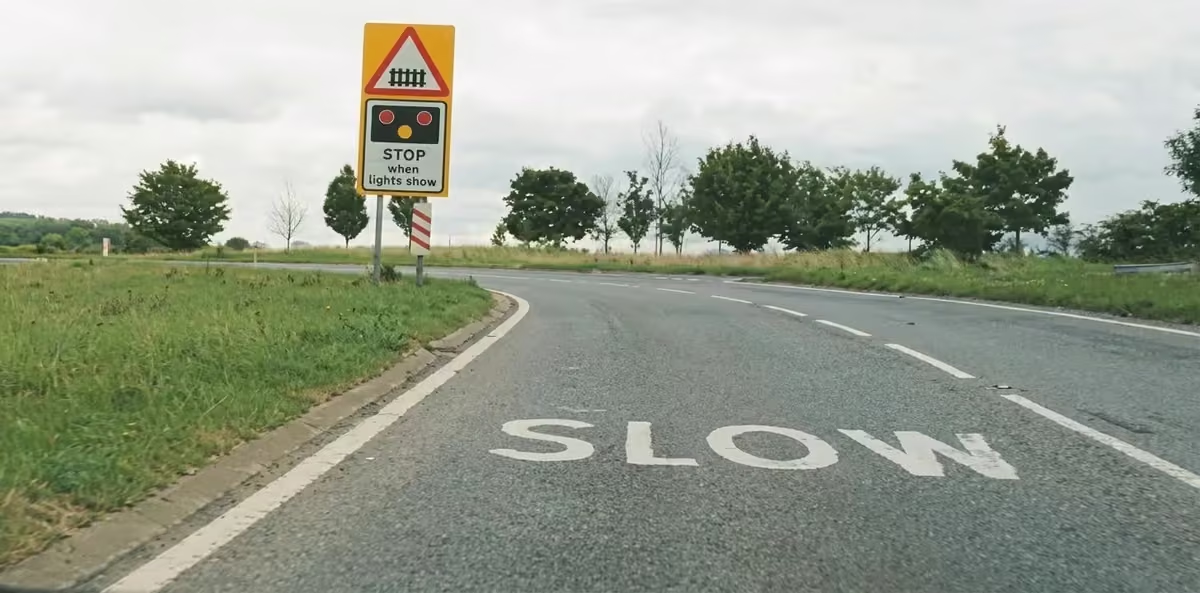
You should be slowing down and selecting the correct gear in case you have to stop at the level crossing. Look for the signals and be prepared to stop if necessary.
Question 21 of 48

Explanation
You'll see this sign if there has been an incident ahead and the motorway is closed. You must obey the sign. Make sure that you prepare to leave in good time. Don't cause drivers to take avoiding action by cutting in at the last moment.
Question 22 of 48
Explanation
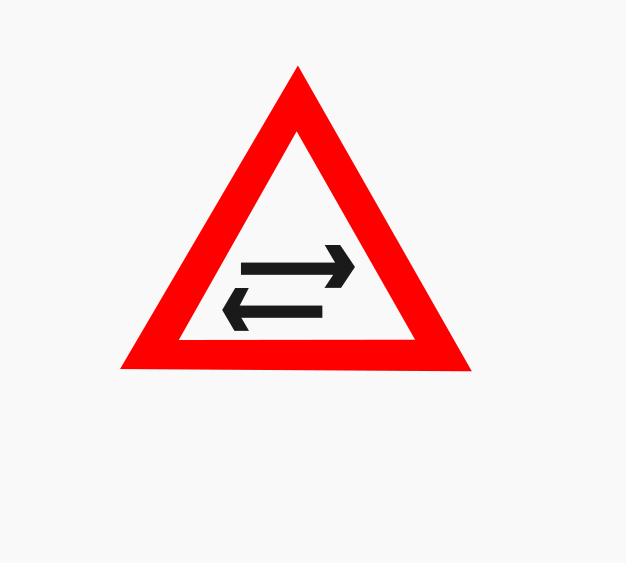
Be prepared for traffic approaching from junctions on either side of you. Try to avoid unnecessary changing of lanes just before the junction.
Question 23 of 48
Explanation
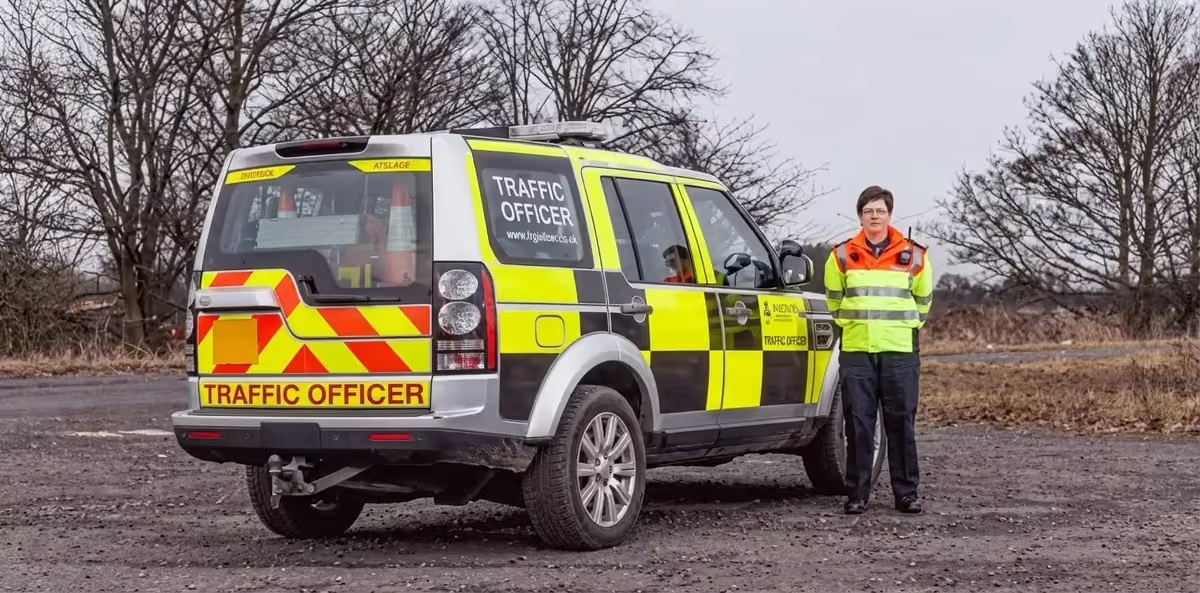
Traffic officers don't have enforcement powers but are able to stop and direct people on motorways and some 'A' class roads. They operate in England and Wales and work in partnership with the police at incidents, providing a highly trained and visible service. They're recognised by an orange-and-yellow jacket and their vehicle has yellow-and-black markings.
Question 24 of 48
Explanation
It's your legal responsibility to keep the details on your vehicle registration certificate (V5C) up to date. You should tell the licensing authority about any changes. These include your name, address or vehicle details. If you don't do this, you may have problems when you try to sell your vehicle.
Question 25 of 48
Explanation
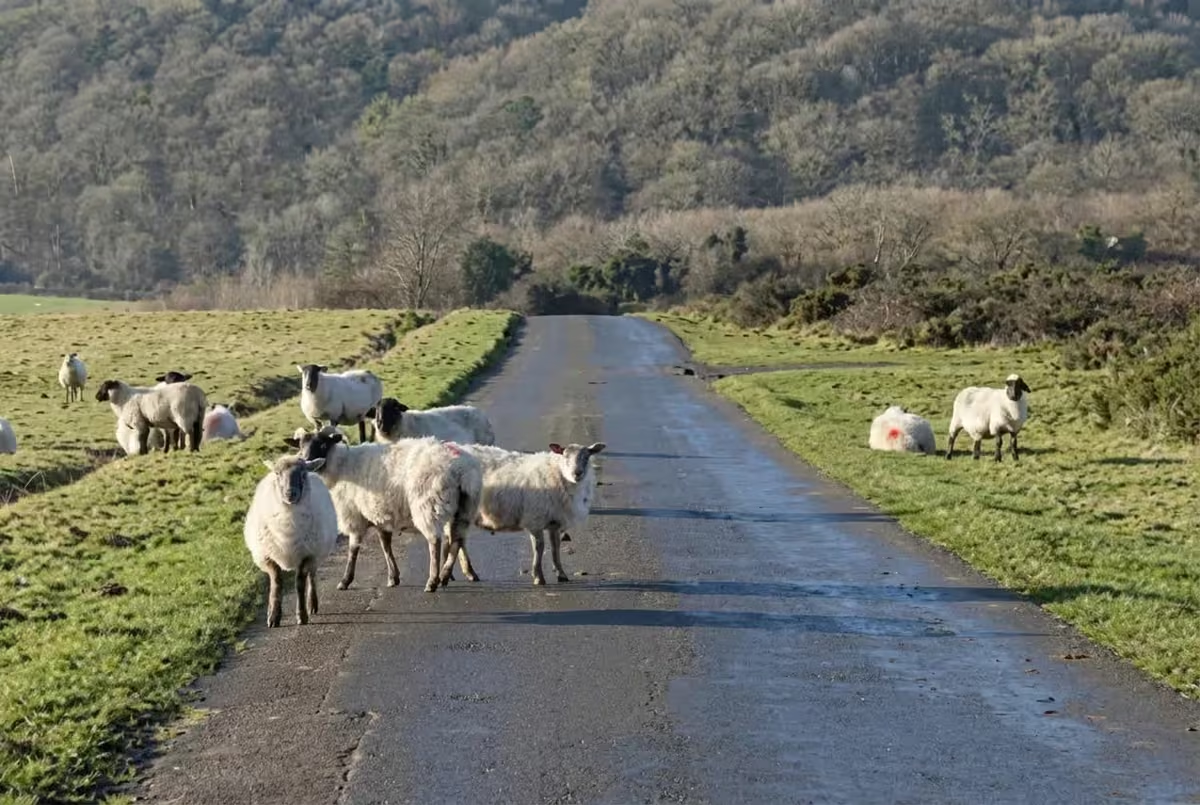
Slow down and be ready to stop if you see animals in the road ahead. Animals are easily frightened by noise and vehicles passing too close to them. Stop if you're signalled to do so by the person in charge.
Question 26 of 48
Explanation
There are a number of things you can do to help, even without expert training. Be aware of further danger from other traffic and fire; make sure the area is safe. People may be in shock. Don't give them anything to eat or drink. Keep them warm and comfortable and reassure them. Don't move injured people unless there's a risk of further danger.
Question 27 of 48
Explanation
You should protect yourself from exposure to blood, and then apply firm pressure over the wound to stem the flow of blood. As soon as practical, fasten a pad to the wound with a bandage or length of cloth. Use the cleanest material available.
Question 28 of 48
Explanation
Ensure that you can see clearly through the windscreen of your vehicle. Stickers or hanging objects could obstruct your view or draw your attention away from the road.
Question 29 of 48
Explanation
If you attempt to move off in a low gear, there'll be more torque (turning force) at the driven wheels than if you use a higher gear. More torque makes it easier for the tyres to lose grip and so spin the wheels.
Question 30 of 48
Explanation
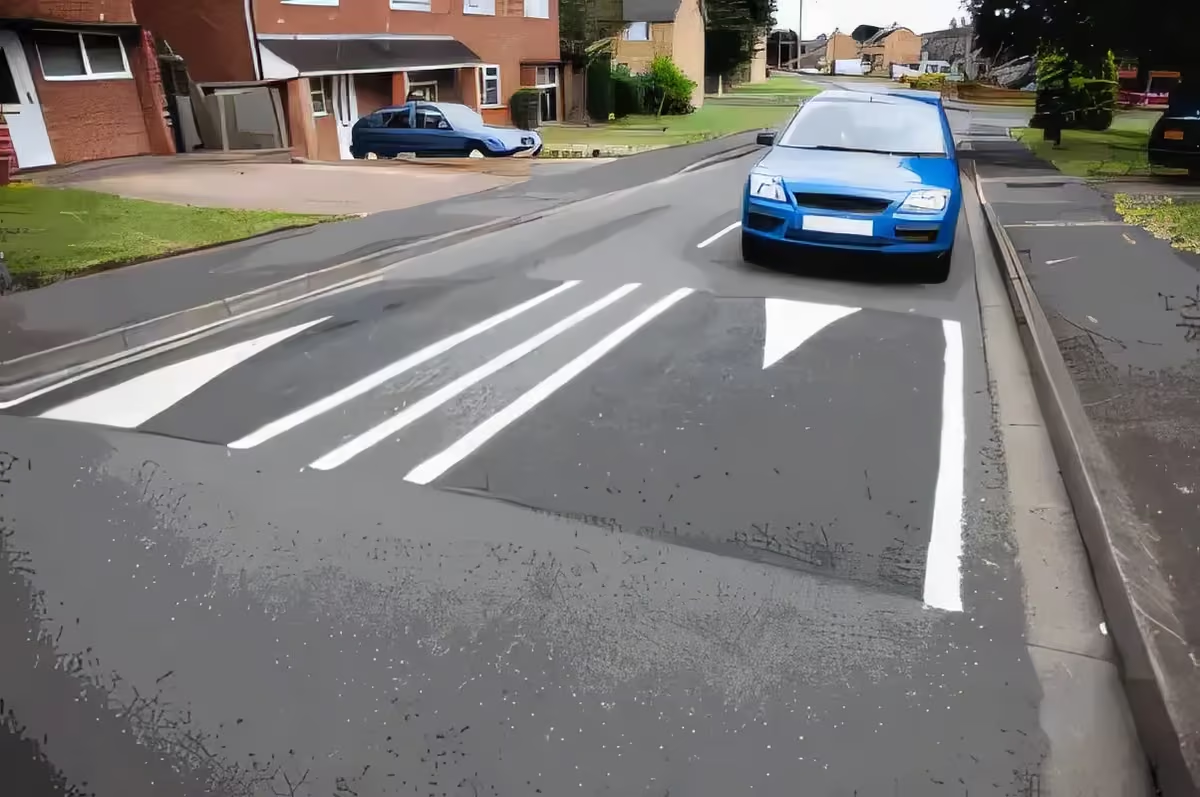
Many towns have road humps as part of traffic-calming measures, designed to slow down traffic. Reduce your speed when driving over them. If you go too fast, you could lose control or damage your car. Look out for pedestrians or cyclists while you're driving in these areas.
Question 31 of 48
Explanation
You shouldn't drive if you're taking medicine that could cause you to feel drowsy at the wheel. Ask someone else to drive or, if that isn't possible, find another way to get home.
Question 32 of 48
Explanation
At a pelican crossing, the green light means you may proceed as long as the crossing is clear. If someone hasn't finished crossing, be patient and wait for them, whether they're disabled or not.
Question 33 of 48
Explanation
Windy weather affects motorcyclists more than other vehicles. In windy conditions, high-sided vehicles cause air turbulence. You should keep well back, as the motorcyclist could be blown off course.
Question 34 of 48
Explanation
The draught caused by other vehicles - particularly those with high sides - could be strong enough to push you out of your lane. Be prepared for a sudden gust of wind as you overtake large vehicles. Keep both hands on the steering wheel to help you keep full control.
Question 35 of 48
Explanation
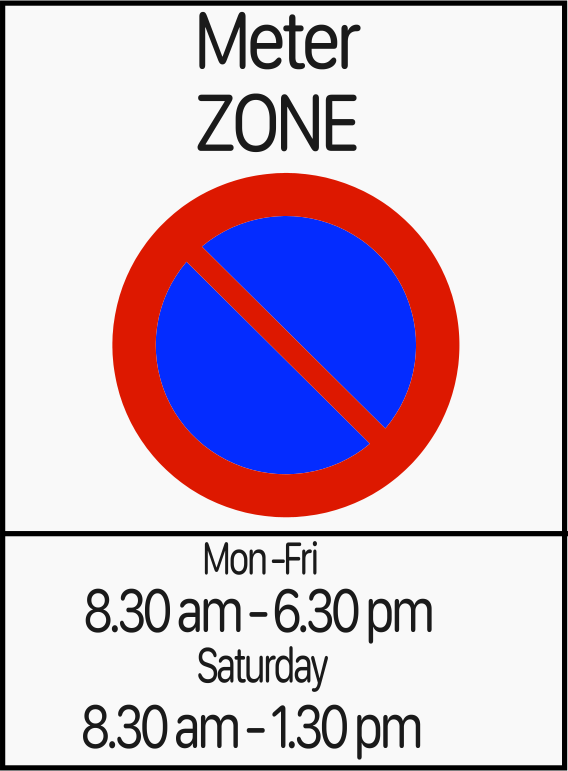
Parking restrictions apply in a variety of places and situations. Make sure you know the rules and understand where and when restrictions apply. Controlled parking areas will be indicated by signs and road markings. Parking in the wrong place could cause an obstruction and danger to other traffic. It can also result in a fine.
Question 36 of 48
Explanation
You mustn't reverse further than is necessary. You may decide to turn your vehicle around by reversing into an opening or side road. When you reverse, always look all around you and watch for pedestrians. Don't reverse from a side road into a main road.
Question 37 of 48
Explanation
Drive extremely carefully when the roads are icy. When travelling on ice, tyres make virtually no noise and the steering feels light and unresponsive. In icy conditions, be very gentle when braking, accelerating and steering.
Question 38 of 48
Explanation
If you're feeling upset or angry, you'll find it much more difficult to concentrate on your driving. You should wait until you've calmed down before starting a journey.
Question 39 of 48
Explanation
It's your responsibility to make sure you're properly insured for the vehicle you're driving. This is the case regardless of whether you're a newly qualified driver or one with more experience.
Question 40 of 48
Explanation
If you have a garage, use it. Your vehicle is less likely to be a victim of car crime if it's in a garage. Also, in winter, the windows will be kept free from ice and snow.
Question 41 of 48
Explanation
It's illegal to pour engine oil down any drain. Oil is a pollutant and harmful to wildlife. Dispose of it safely at an authorised site.
Question 42 of 48
Explanation
If you're wearing sunglasses, you should remove them before driving into a tunnel. If you don't, your vision will be restricted, even in tunnels that appear to be well lit.
Question 43 of 48
Explanation
When learning to drive, it's a good idea to practise filling your car with fuel. Ask your instructor if you can use a petrol station and fill the fuel tank yourself. You need to know where the filler cap is on the car you're driving, so you know which side of the pump to park at. Take care not to overfill the tank and make sure you secure the filler cap correctly, so that no fuel leaks onto the road while you're driving.
Question 44 of 48
Explanation
Although carbon dioxide is still produced, a catalytic converter fitted to the exhaust system reduces the toxic and polluting gases by up to 90%.
Question 45 of 48
Explanation
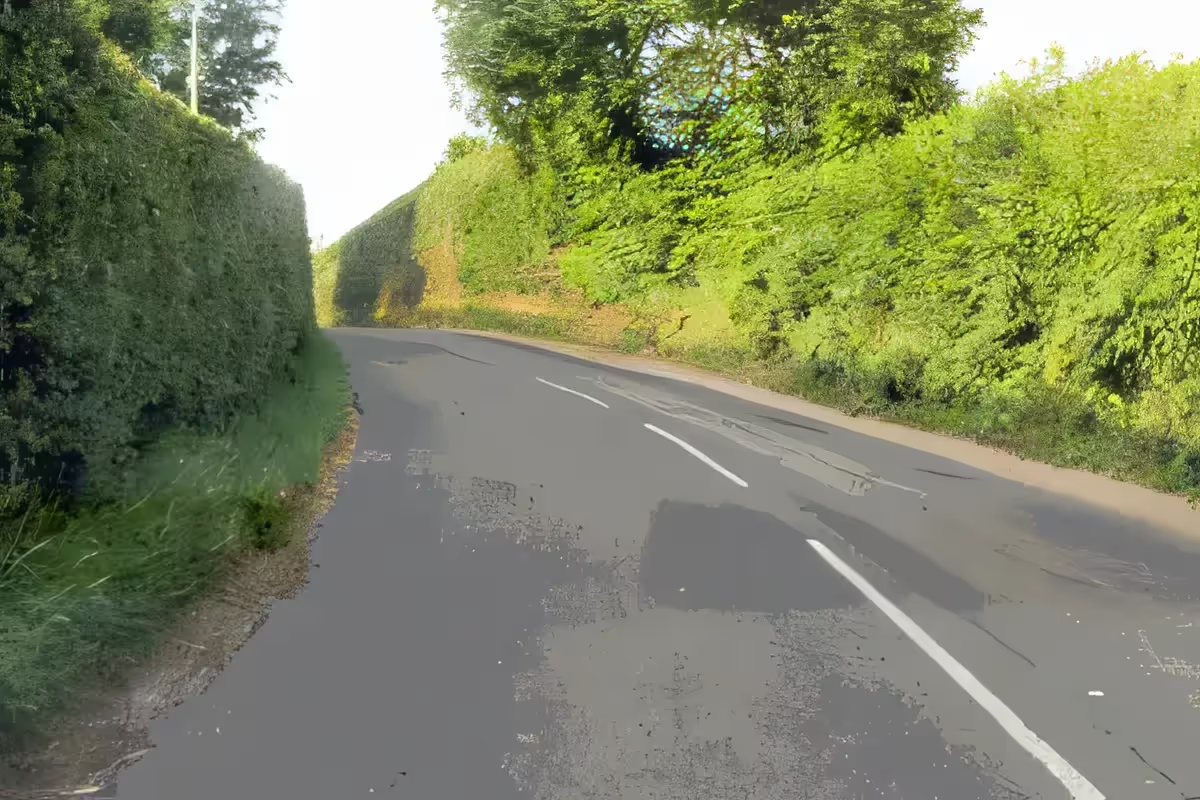
Pedestrians walking on a road with no pavement should walk against the direction of the traffic. You can't see around this bend and if pedestrians are in the road you need to be able to deal with the situation safely. Always keep this in mind and give yourself time to react if a hazard does appear.
Question 46 of 48
Explanation
In the event that the trailer becomes detached from the towing vehicle, the breakaway cable activates the trailer brakes before snapping. This allows the towing vehicle to get free of the trailer and out of danger.
Question 47 of 48
Explanation
You must tell DVLA (or DVA in Northern Ireland) if your health is likely to affect your ability to drive. The licensing authority will investigate your situation and then make a decision on whether you're fit enough to drive safely.
Question 48 of 48
Explanation
Any load must be securely fastened to the vehicle. The safest way to carry items on the roof is in a specially designed roof box. This will help to keep your luggage secure and dry, and it also has less wind resistance than loads carried exposed on a roof rack.
Practice test complete
This practice score is not an official DVSA theory-test result.