Question 1 of 48
Which vehicle will use a blue flashing beacon?
Explanation
Emergency vehicles use blue flashing lights. If you see or hear one, move out of its way as soon as it's safe and legal to do so.
Free practice test
Answer 48 questions, check each correct answer and work through the explanations at your own pace.
Question 1 of 48
Explanation
Emergency vehicles use blue flashing lights. If you see or hear one, move out of its way as soon as it's safe and legal to do so.
Question 2 of 48
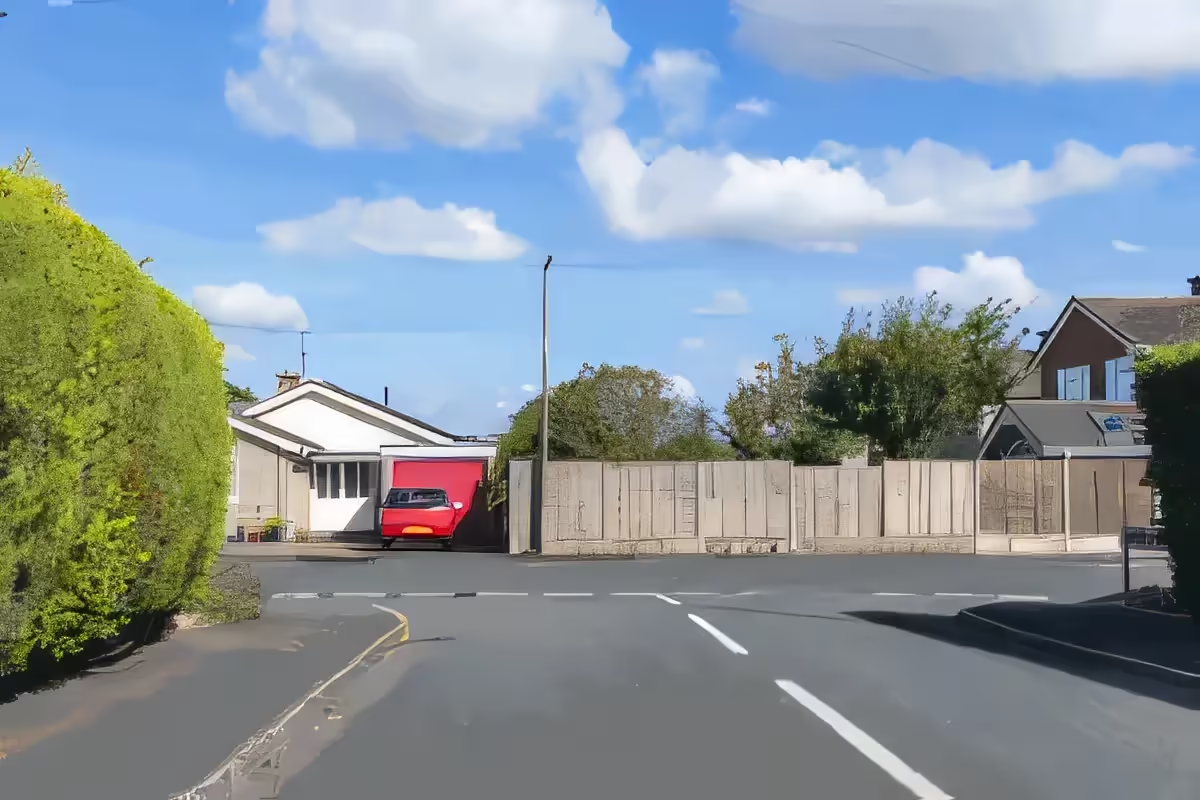
Explanation
You may have to pull forward slowly until you can see up and down the road. Be aware that the traffic approaching the junction can't see you either. If you don't know that it's clear, don't go.
Question 3 of 48
Explanation
If you're following a cyclist who's signalling to turn right at a roundabout, leave plenty of room. Give them space and time to get into the correct lane.
Question 4 of 48
Explanation
When a long vehicle is going to turn right, it may need to keep close to the left-hand kerb. This is to prevent the rear end of the trailer cutting the corner. You need to be aware of how long vehicles behave in such situations. Don't overtake the lorry, because it could turn as you're alongside. Stay behind and wait for it to turn.
Question 5 of 48
Explanation
You should give way to traffic already on the motorway. Where possible, traffic may move over to let you in, but don't force your way into the traffic stream. Traffic could be travelling at high speed, so try to match your speed to filter in without affecting the traffic flow.
Question 6 of 48
Explanation
Long vehicles might have to take a slightly different position when approaching the roundabout or going around it. This is to stop the rear of the vehicle cutting in and mounting the kerb.
Question 7 of 48

Explanation
'No entry' signs are used in places such as one-way streets to prevent vehicles driving against the traffic. To ignore one would be dangerous, both for yourself and for other road users, as well as being against the law.
Question 8 of 48
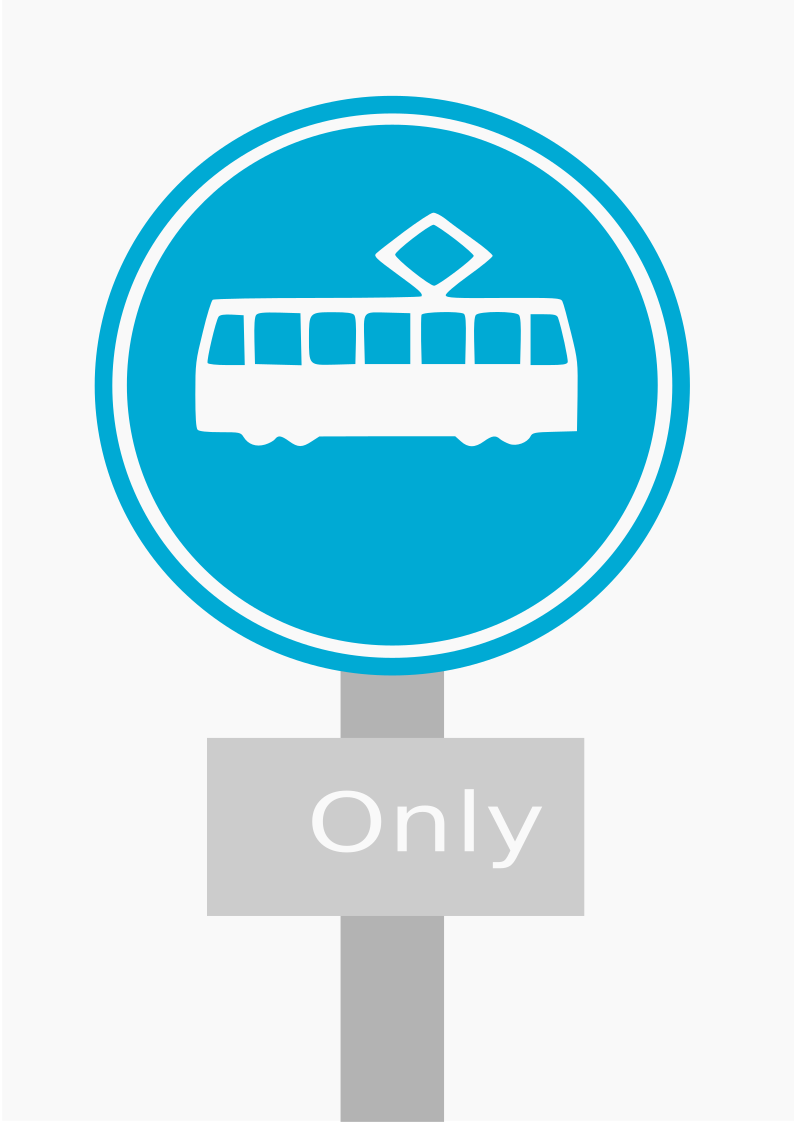
Explanation
Avoid blocking tram routes. Trams are fixed on their route and can't manoeuvre around other vehicles or pedestrians. Modern trams travel quickly and are quiet, so you might not hear them approaching.
Question 9 of 48
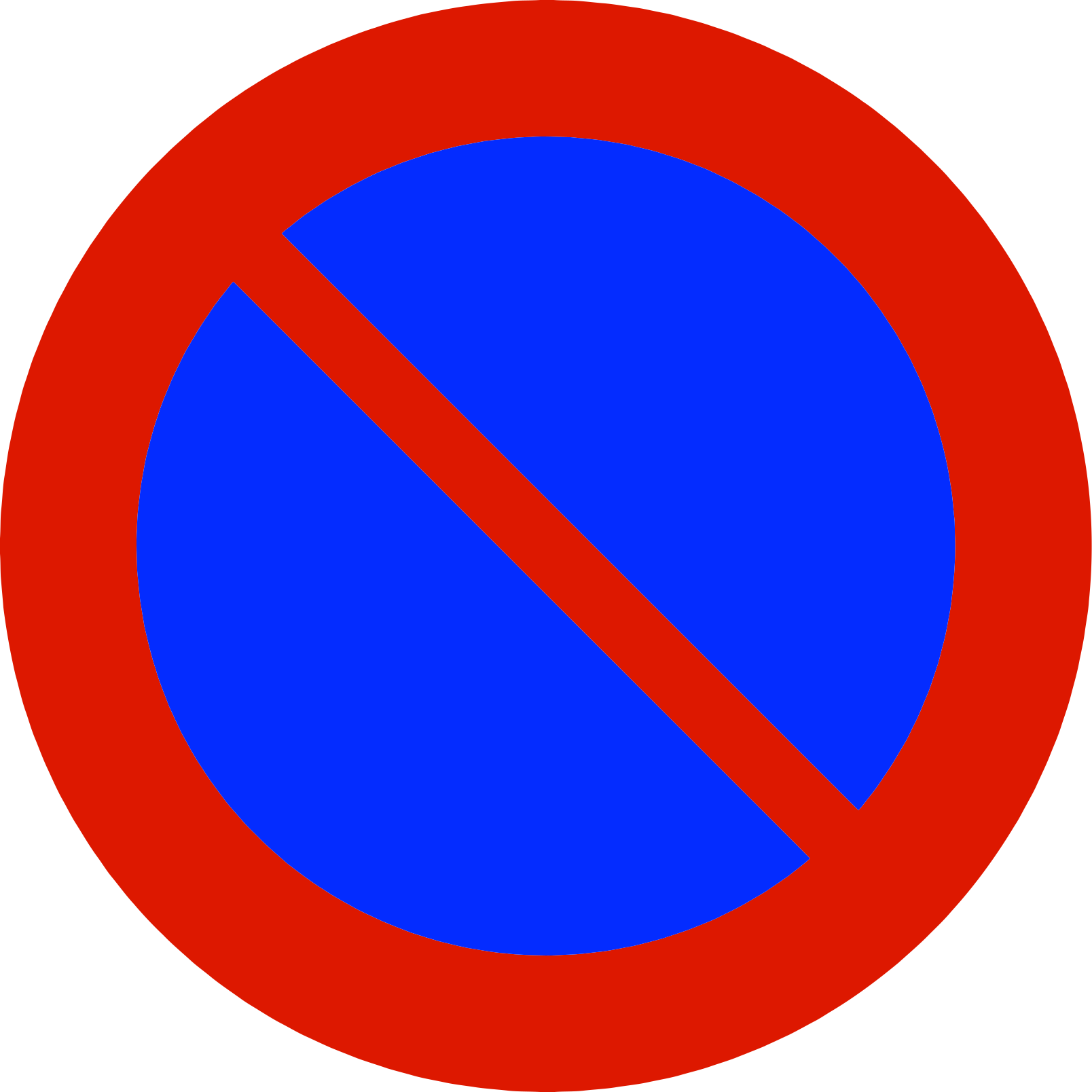
Explanation
There'll be a plate or additional sign to tell you when the restrictions apply.
Question 10 of 48
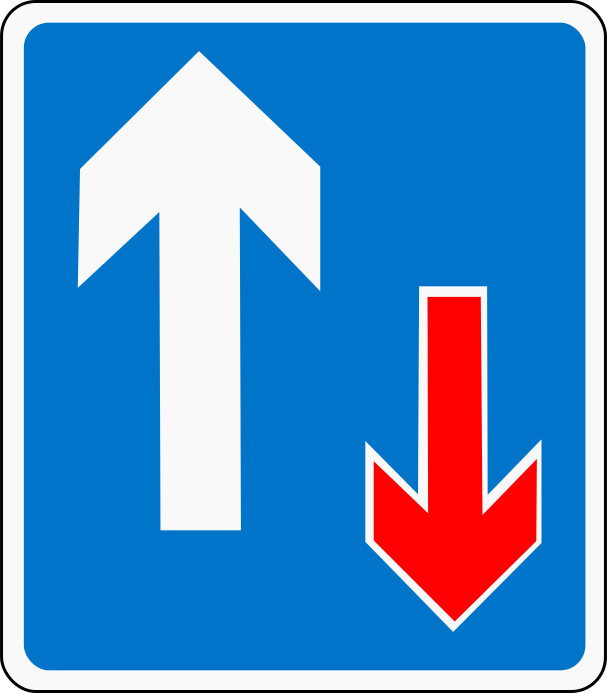
Explanation
Don't force your way through. Show courtesy and consideration to other road users. Although you have priority, make sure oncoming traffic is going to give way before you continue.
Question 11 of 48
Explanation
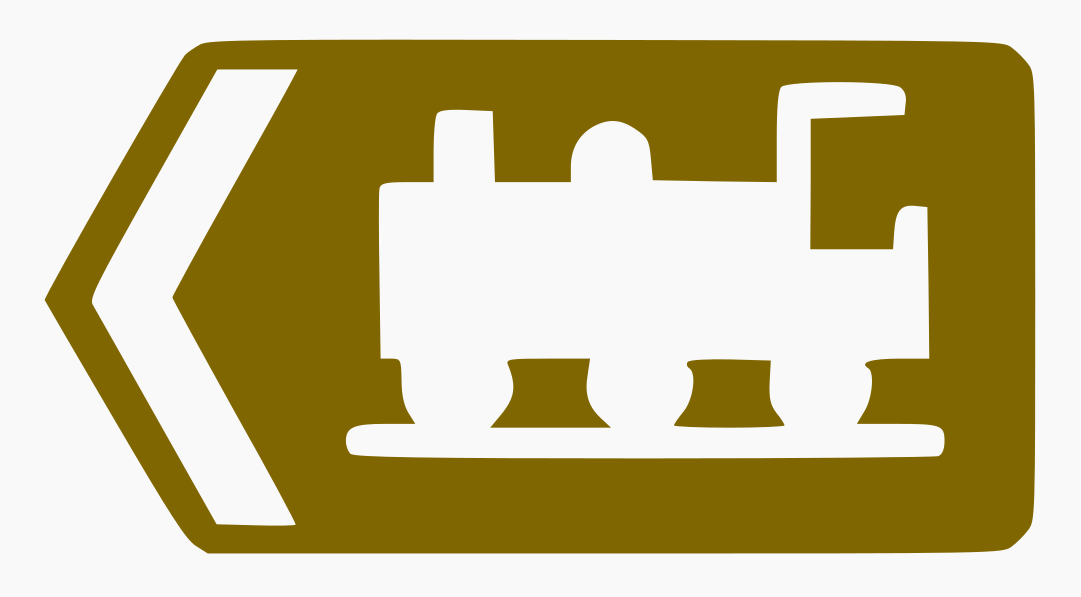
These signs indicate places of interest and are designed to guide you by the easiest route. They're particularly useful when you're unfamiliar with the area.
Question 12 of 48

Explanation
This type of sign warns you of hazards ahead. Make sure you look at each sign and road marking that you pass, so that you don't miss any vital instructions or information. This sign shows there's a T-junction with priority over vehicles from the right.
Question 13 of 48
Explanation
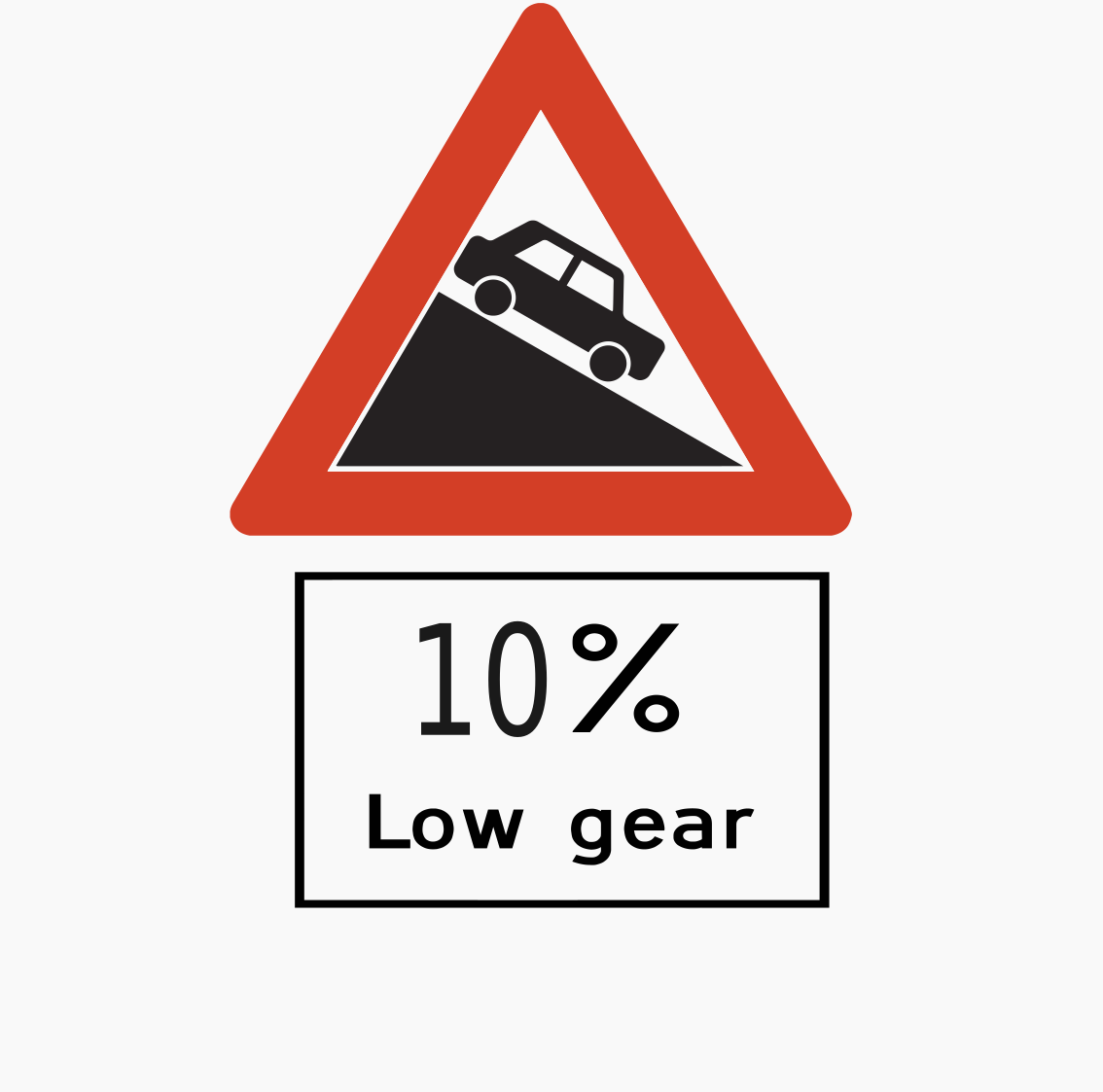
This sign gives you an early warning that the road ahead will slope downhill. Prepare to alter your speed and gear. Looking at the sign from left to right will show you whether the road slopes uphill or downhill.
Question 14 of 48

Explanation
Because the road has a dark colour, changes in level aren't easily seen. White triangles painted on the road surface give you an indication of where there are road humps.
Question 15 of 48
Explanation
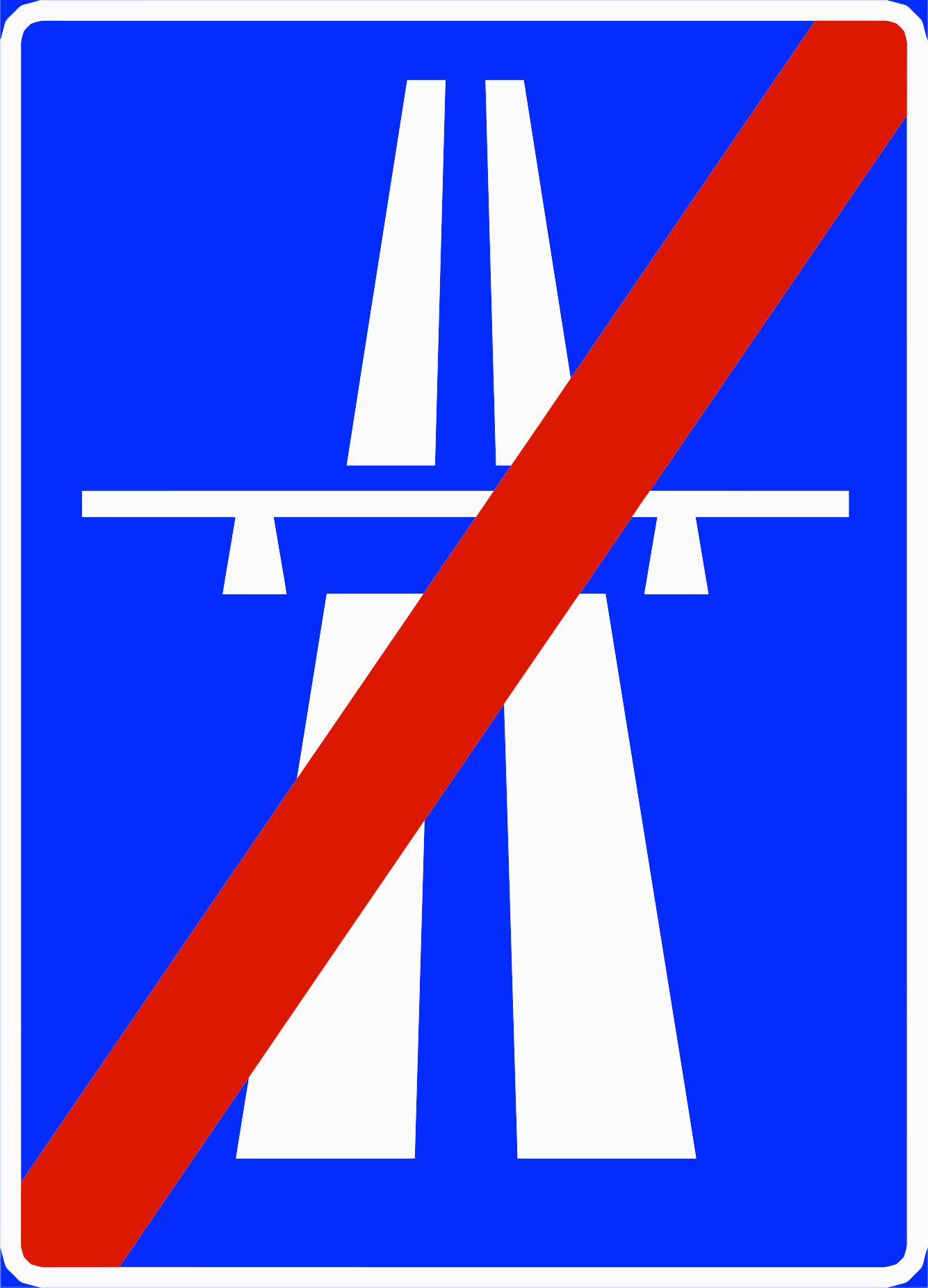
When you leave the motorway, make sure that you check your speedometer. You may be going faster than you realise. Slow down and look for speed-limit signs.
Question 16 of 48
Explanation
A toucan crossing is designed to allow pedestrians and cyclists to cross at the same time. Look out for cyclists approaching the crossing at speed.
Question 17 of 48
Explanation
Sometimes an insurance company will issue a temporary insurance certificate called a cover note. It gives you the same insurance cover as your certificate but lasts for a limited period, usually one month.
Question 18 of 48
Explanation
When turning right at a crossroads where oncoming traffic is also turning right, it's generally safer to turn behind the approaching vehicle. This allows you a clear view of approaching traffic and is called 'turning offside to offside'. However, some junctions, usually controlled by traffic-light filters - are marked for vehicles to turn nearside to nearside.
Question 19 of 48
Explanation
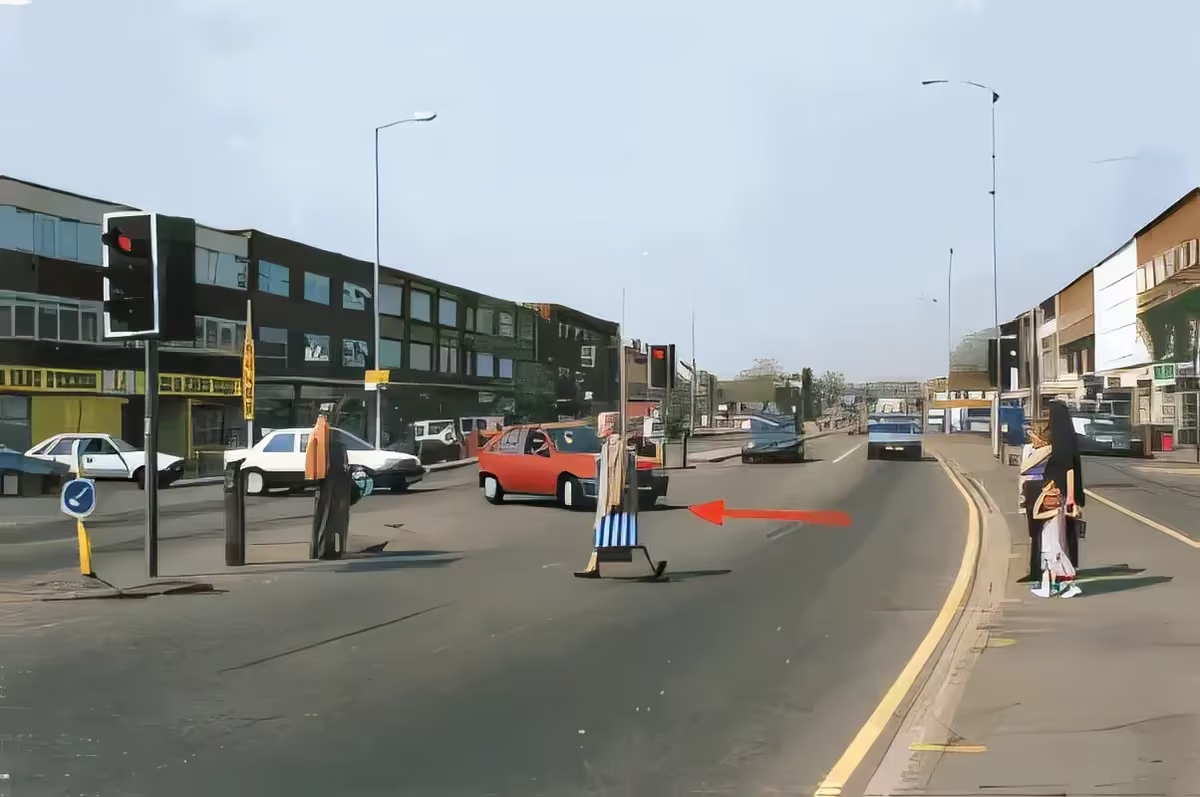
Some people might take a long time to cross the road. They may be older or have a disability. Be patient and don't hurry them by showing your impatience. If pedestrians are standing at the side of the road, don't signal or wave them to cross. Other road users might not have seen your signal and this could lead the pedestrians into a hazardous situation.
Question 20 of 48
Explanation
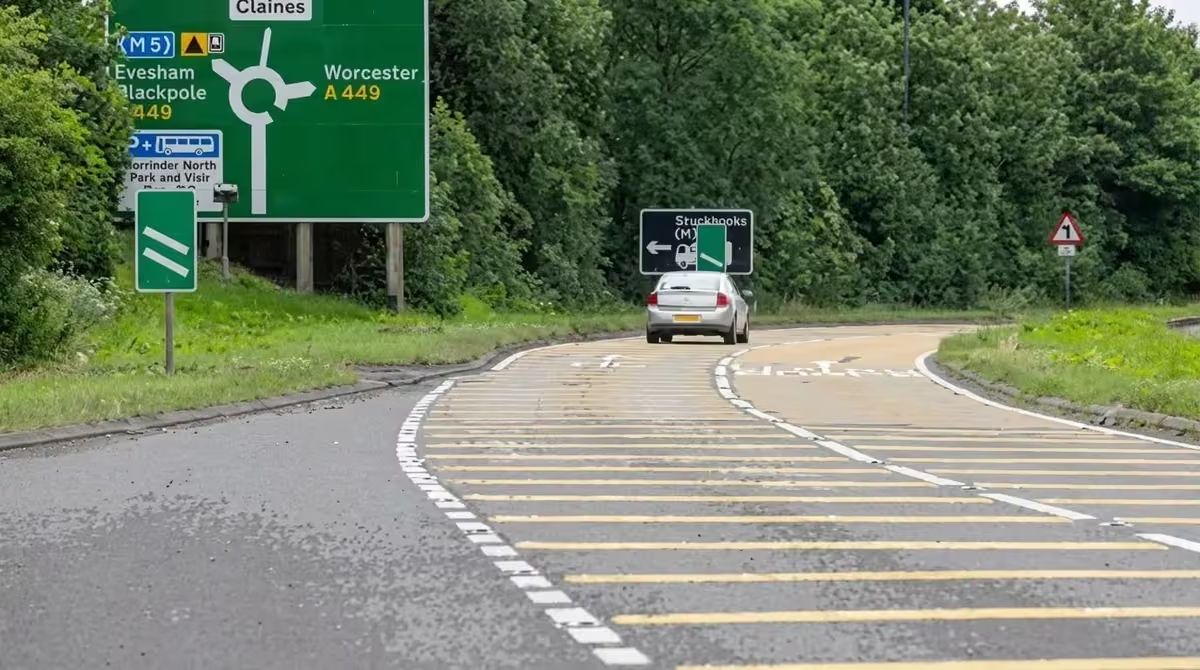
These lines may be painted on the road on the approach to a roundabout, a village or a particular hazard. The lines are raised and painted yellow, and their purpose is to make you aware of your speed. Reduce your speed in good time so that you avoid having to brake harshly over the last few metres before reaching the junction.
Question 21 of 48
Explanation
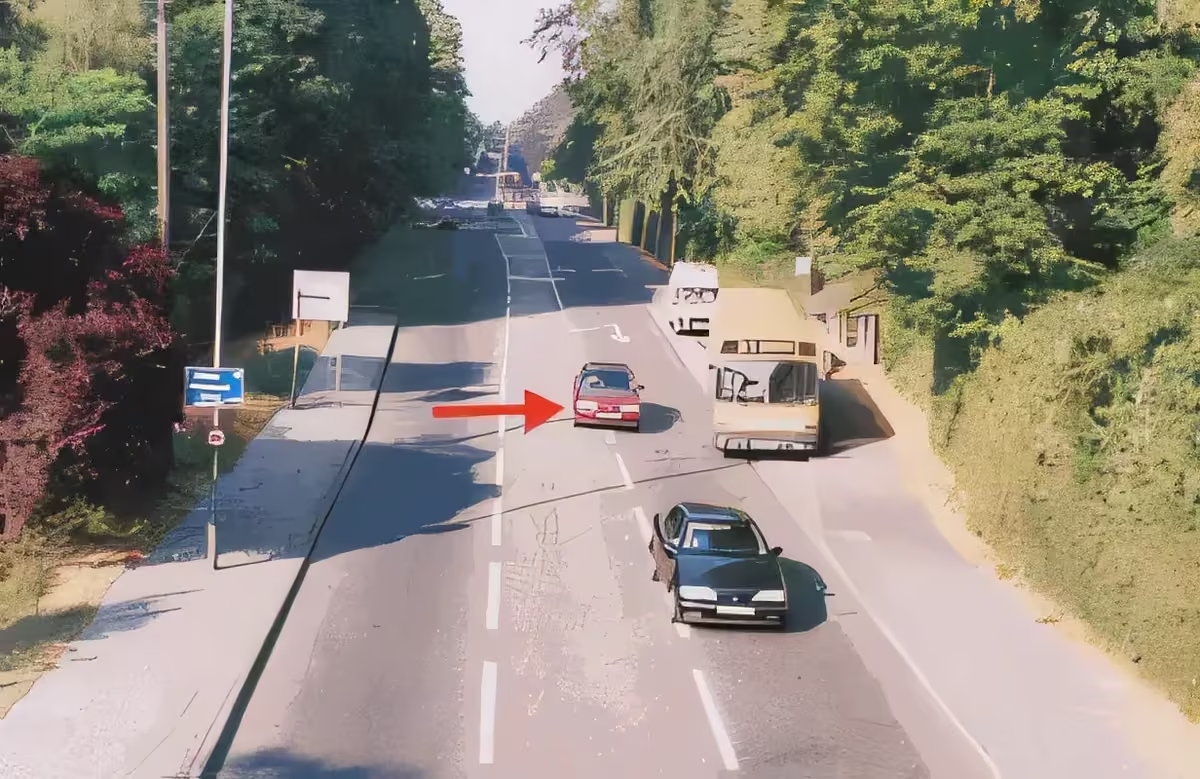
If you can do so safely, give way to buses signalling to move off at bus stops. Try to anticipate the actions of other road users around you. The driver of the red car should be prepared for the bus pulling out. As you approach a bus stop, look to see how many passengers are waiting to board. If the last one has just got on, the bus is likely to move off.
Question 22 of 48
Explanation
You may be difficult to see when you're travelling at night, even on a well-lit road. If you use dipped headlights rather than sidelights, other road users should be able to see you more easily.
Question 23 of 48
Explanation
You won't be able to see as far ahead in fog as you can on a clear day. You'll need to reduce your speed so that, if a hazard looms out of the fog, you have the time and space to take avoiding action. Travelling in fog is hazardous. If you can, try to delay your journey until it has cleared.
Question 24 of 48
Explanation
You should be constantly scanning the road for clues about what's going to happen next. Check your mirrors regularly, particularly as soon as you spot a hazard. What's happening behind may affect how you respond to hazards ahead.
Question 25 of 48
Explanation
Congestion can be reduced by keeping traffic at a constant speed. At busy times, maximum speed limits are displayed on overhead gantries. These can be varied quickly, depending on the amount of traffic. By keeping to a constant speed on busy sections of motorway, overall journey times are normally improved.
Question 26 of 48
Explanation
The people on the walk should be keeping to the left, but don't assume this. Pass carefully, making sure you have time to do so safely. Be aware that the pedestrians have their backs to you and may not know that you're there.
Question 27 of 48
Explanation
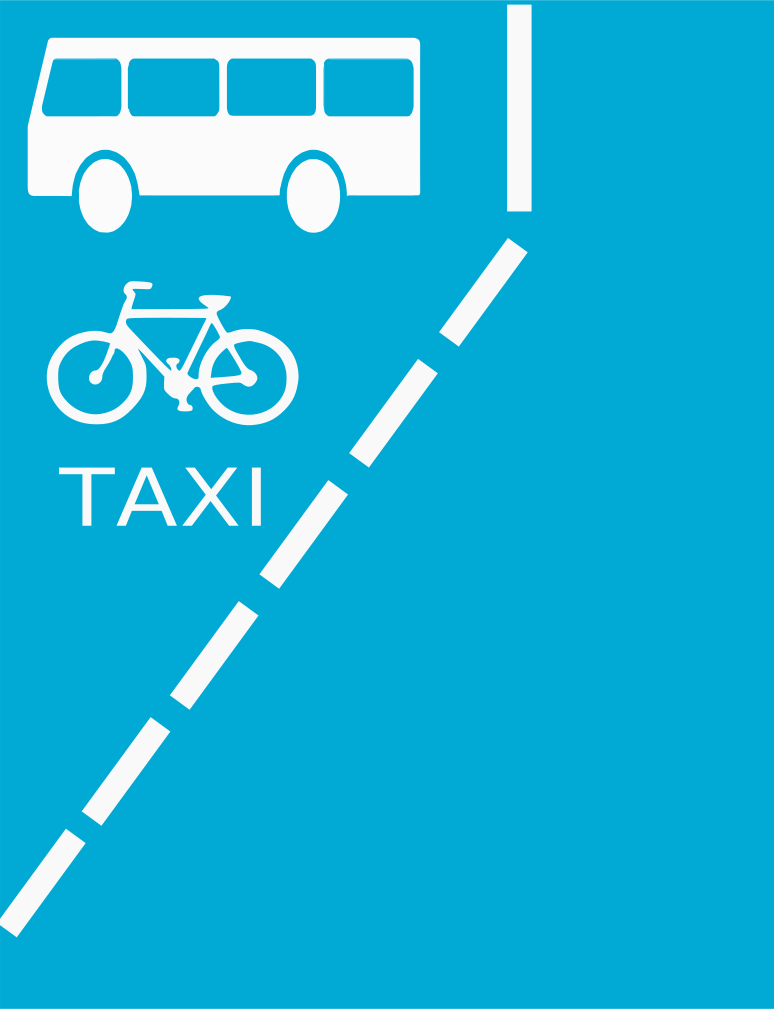
Bus-lane signs show the vehicles allowed to use the lane and its times of operation. Where no times are shown, the bus lane is in operation 24 hours a day.
Question 28 of 48
Explanation
Alcohol will stay in your body for several hours and may make you unfit to drive later in the day. Drinking during the day will also affect your performance at work or study.
Question 29 of 48
Explanation
In queuing traffic, motorcyclists could be passing you on either side. Use your mirrors and check your blind area before changing lanes or changing direction.
Question 30 of 48
Explanation
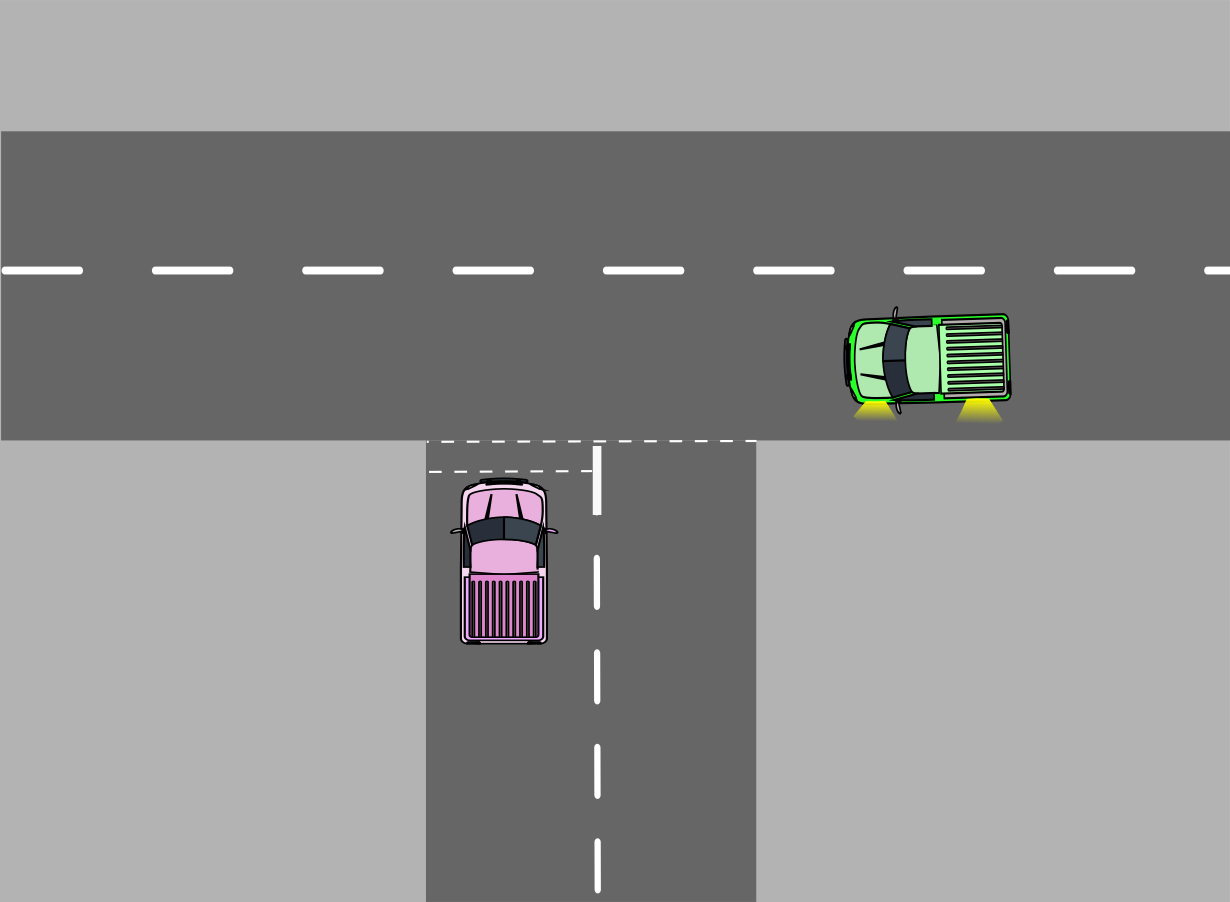
Other road users may give misleading signals. When you're waiting at a junction, don't emerge until you're sure of their intentions.
Question 31 of 48
Explanation
Pull up on the hard shoulder or in an emergency refuge area and call for assistance. Don't attempt to repair your vehicle while it's on the hard shoulder, because of the risk posed by traffic passing at high speeds.
Question 32 of 48
Explanation
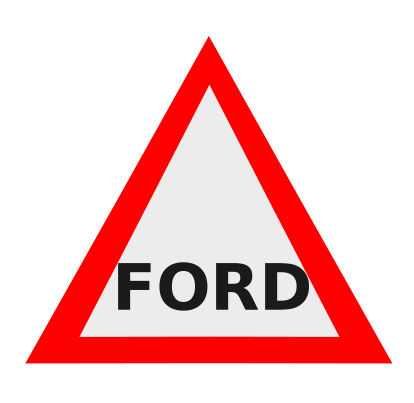
If your brakes have been thoroughly soaked, you should check that they're working properly before you build up speed again. Before you do this, remember to check your mirrors and consider what's behind you.
Question 33 of 48
Explanation
Check the vehicle handbook. This should give you guidance on the correct tyre pressures for your vehicle and when you may need to adjust them. If you're carrying a heavy load, you may need to adjust the headlights as well. Most cars have a switch on the dashboard to do this.
Question 34 of 48
Explanation
If your wheels are out of balance, it will cause the steering to vibrate at certain speeds. This isn't a fault that will put itself right, so take your vehicle to a garage or tyre fitter to have the wheels rebalanced.
Question 35 of 48
Explanation
You should brake and slow down before selecting a lower gear. The gear can then be used to keep the speed low and help you control the vehicle. This is particularly helpful on long downhill stretches, where brake fade can occur if the brakes overheat.
Question 36 of 48
Explanation
An unlocked car is an open invitation to thieves. Leaving the keys in the ignition not only makes your car easy to steal but could also invalidate your insurance.
Question 37 of 48
Explanation
If you're driving behind other traffic on the motorway at night, use dipped headlights. Main-beam headlights will dazzle the other drivers. Your headlights' dipped beam should fall short of the vehicle in front.
Question 38 of 48
Explanation
You'll see the first advance direction sign one mile from a motorway exit. If you're travelling at 60 mph in the right-hand lane, you'll only have about 50 seconds before you reach the countdown markers. There'll be another sign at the half-mile point. Don't cut across lanes of traffic at the last moment - move to the left-hand lane in good time.
Question 39 of 48
Explanation
Having very poor eyesight will have a serious effect on your ability to drive safely. If you can't meet the driver's eyesight requirements, you must tell DVLA (or DVA in Northern Ireland).
Question 40 of 48
Explanation
You should take extra care when you first encounter trams. You'll have to get used to dealing with a different traffic system. Be aware that trams can accelerate and travel very quickly, and they can't change direction to avoid obstructions.
Question 41 of 48
Explanation
Always switch off the engine, remove the key and lock your car, even if you're only leaving it for a few minutes.
Question 42 of 48
Explanation
The fuel in your vehicle can be a dangerous fire hazard. If you smell fuel, check out where it's coming from. Never
Question 43 of 48
Explanation
Diesel fuel can spill out if your filler cap isn't secured properly. This is most likely to occur on bends, junctions and roundabouts, where it will make the road slippery, especially if it's wet. At the end of a spell of dry weather, road surfaces may be especially slippery where diesel has been spilled but it hasn't been washed away by rain.
Question 44 of 48
Explanation
Scan the road as you drive. Try to anticipate hazards by being aware of the places where they're likely to occur. You'll then be able to react in good time.
Question 45 of 48
Explanation
When approaching a contraflow system, reduce speed in good time and obey all speed limits. You may be travelling in a narrower lane than normal, with no permanent barrier between you and the oncoming traffic. Be aware that the hard shoulder may be used for traffic and the road ahead could be obstructed by slow-moving or broken-down vehicles.
Question 46 of 48
Explanation
Riding in a towed caravan is highly dangerous. The safety of the entire unit is dependent on the stability of the trailer. Moving passengers would make the caravan unstable and could cause loss of control.
Question 47 of 48
Explanation
Missing out intermediate gears, when appropriate, helps to reduce the amount of time spent accelerating and decelerating - the times when your vehicle uses the most fuel.
Question 48 of 48
Explanation
When you leave your vehicle parked on a road, switch off the engine and secure the vehicle. Make sure no valuables are visible, shut all the windows, lock the vehicle, and set the alarm if the vehicle has one.
Practice test complete
This practice score is not an official DVSA theory-test result.