Answer 48 questions, check each correct answer and work through the explanations at your own pace.
Question 1 of 480 correct answers
Question 1 of 48
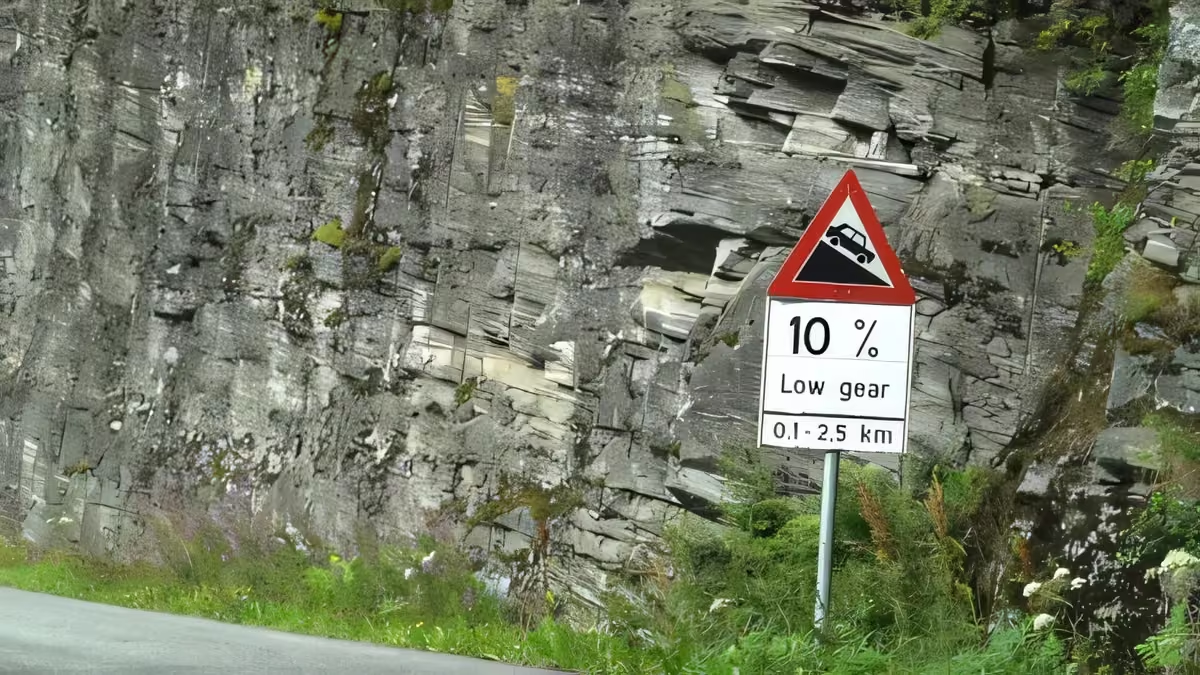
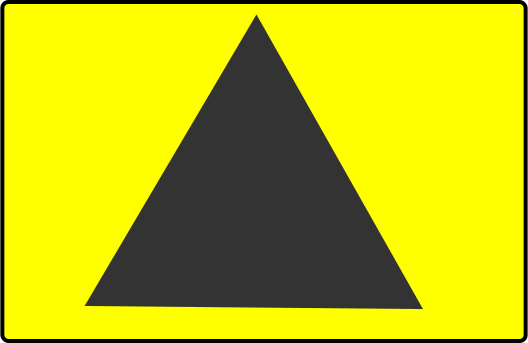
You're driving a lorry that's carrying a heavy load. What should you be prepared to do when you see this sign ahead?
Explanation
A heavy vehicle will lose speed when climbing a steep hill. Changing to a lower gear will help you to maintain an appropriate speed.
Question 2 of 48
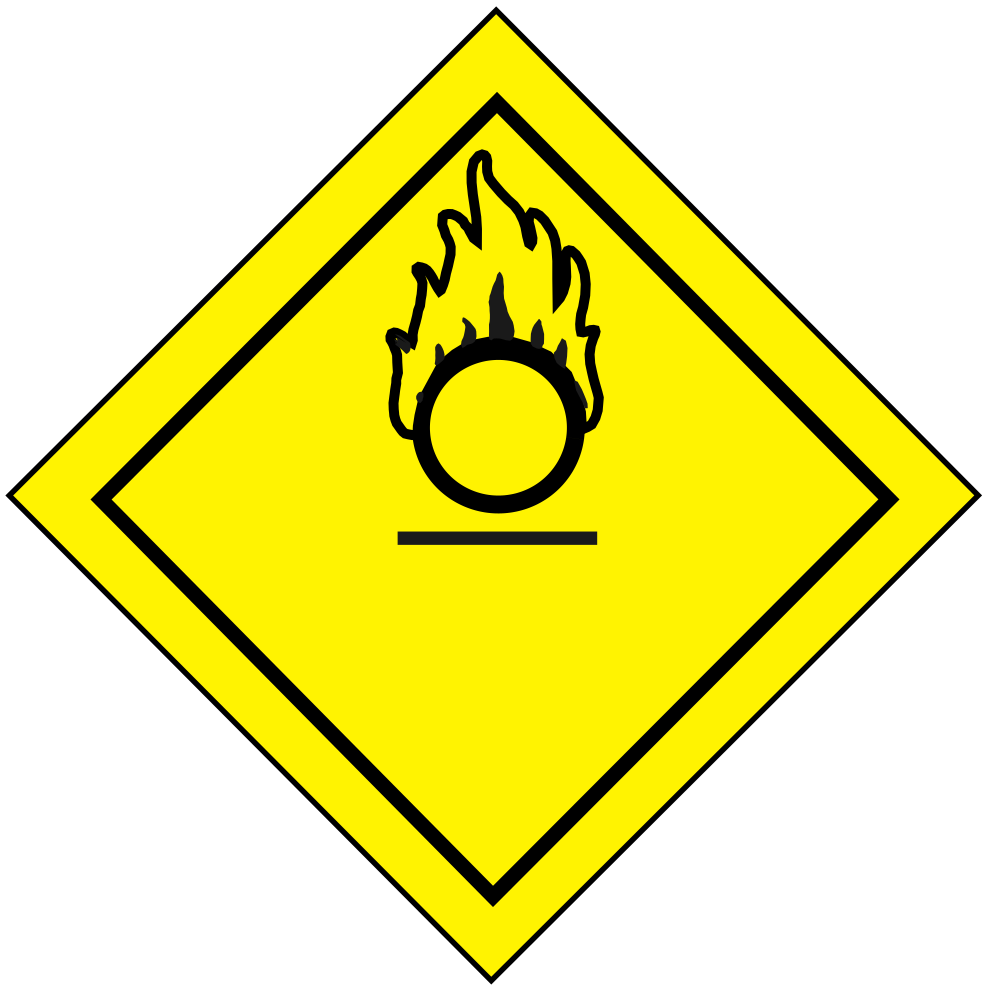
What's being carried on a lorry displaying this symbol?
Explanation
The symbols on the back or side of a lorry should show the type of material that the vehicle will normally be carrying.
Question 3 of 48
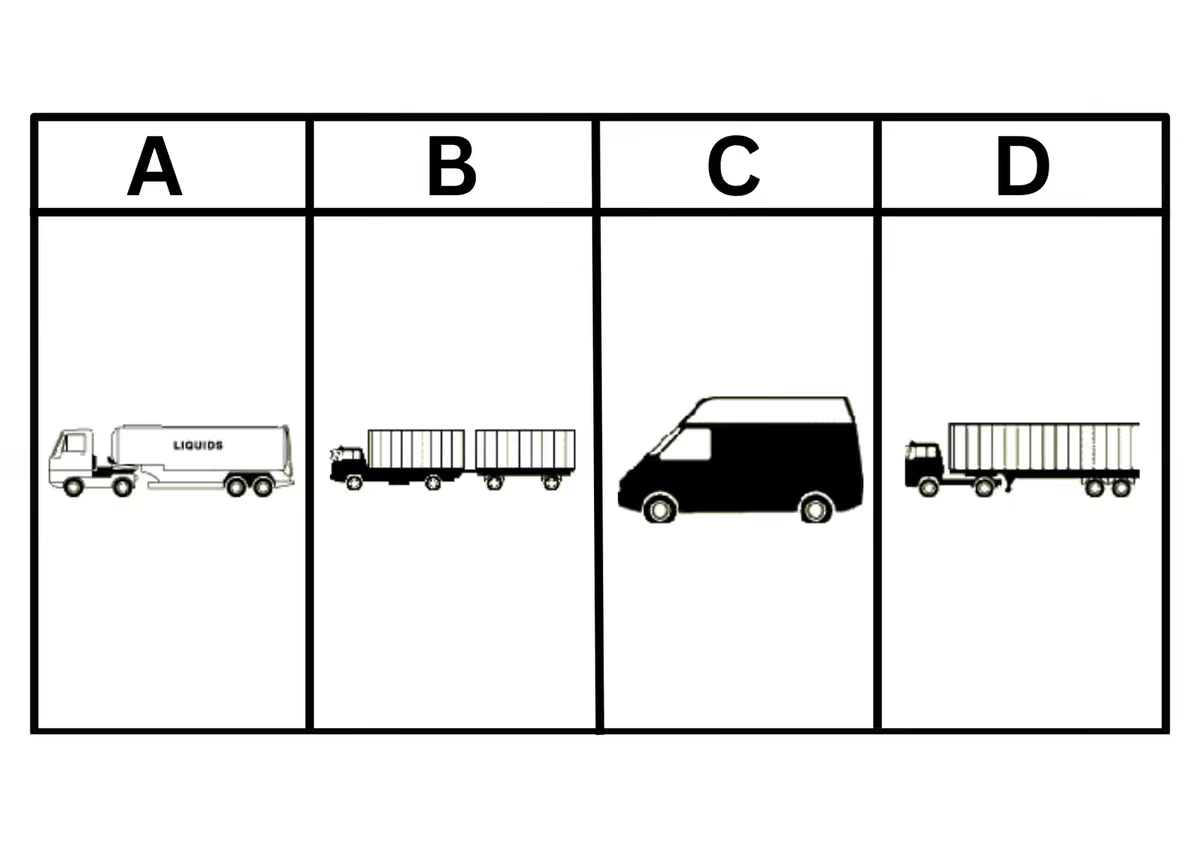
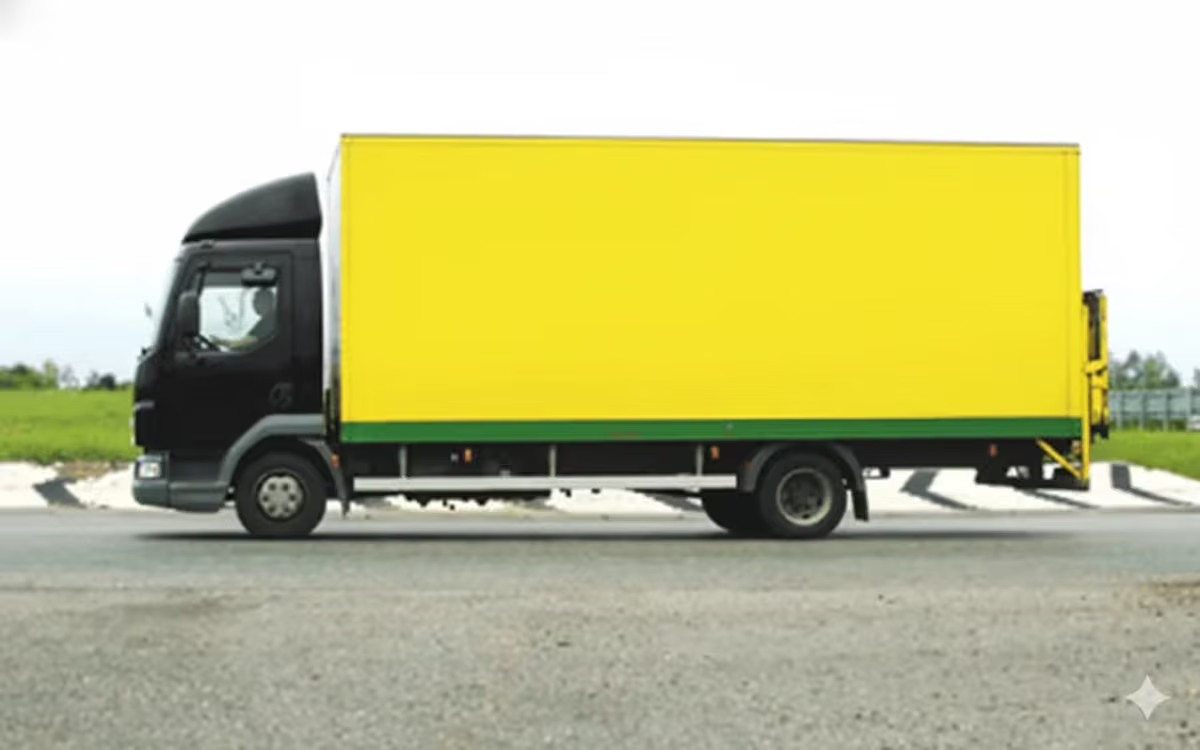
Which of these vehicles will be most at risk of roll over when laden?
Explanation
Roll over usually happens as a result of the inside rear wheels of an articulated vehicle starting to lift when the driver changes direction sharply. This tends to happen when a driver is changing direction to leave a roundabout. If the load moves during the change of direction, the vehicle is increasingly at risk of rolling over. The problem often involves vehicles carrying fluids in bulk.
Question 4 of 48
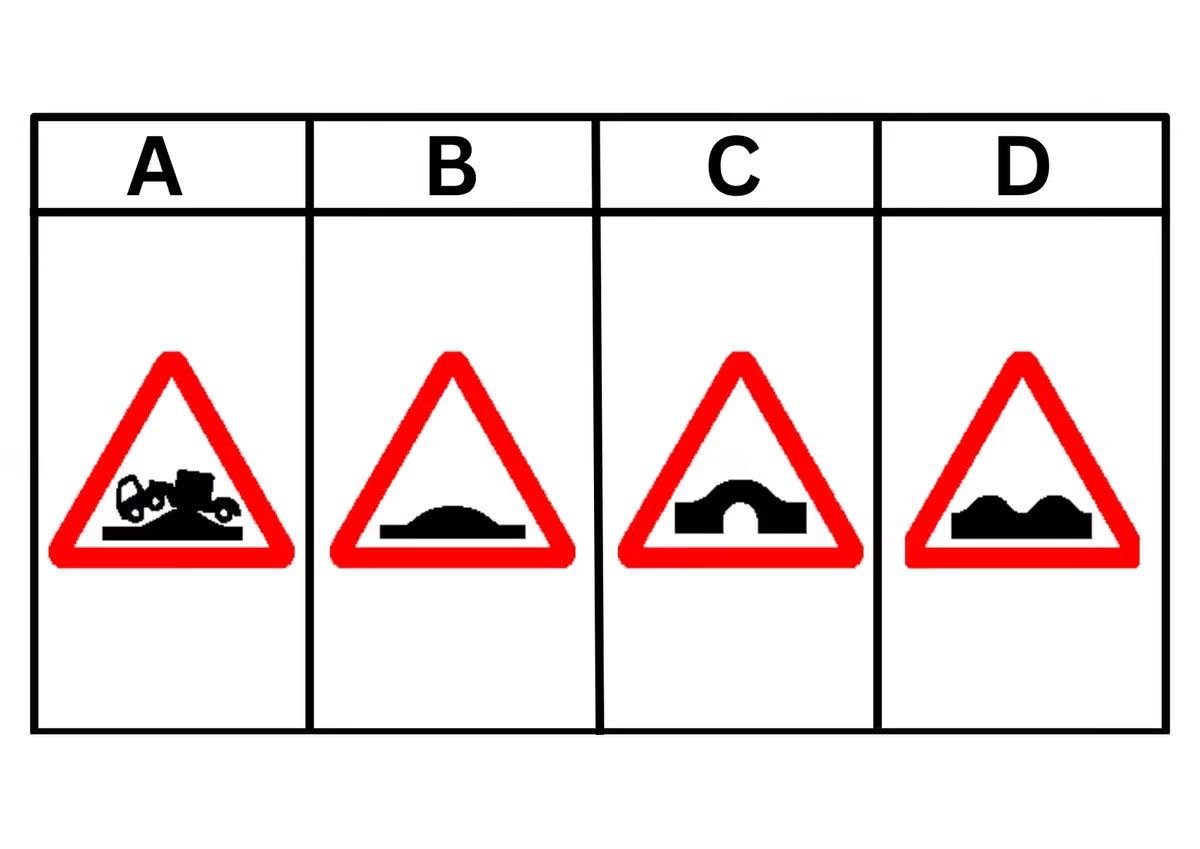
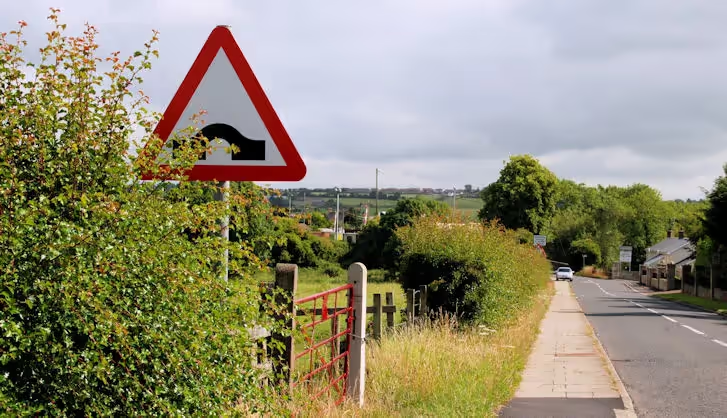
Which of these signs means uneven road?
Explanation
Some signs can look similar to others but each one has a different meaning. For example, this one looks a little like the sign for a hump bridge. Learn the meaning of every sign to prepare yourself for how to react to them.
Question 5 of 48
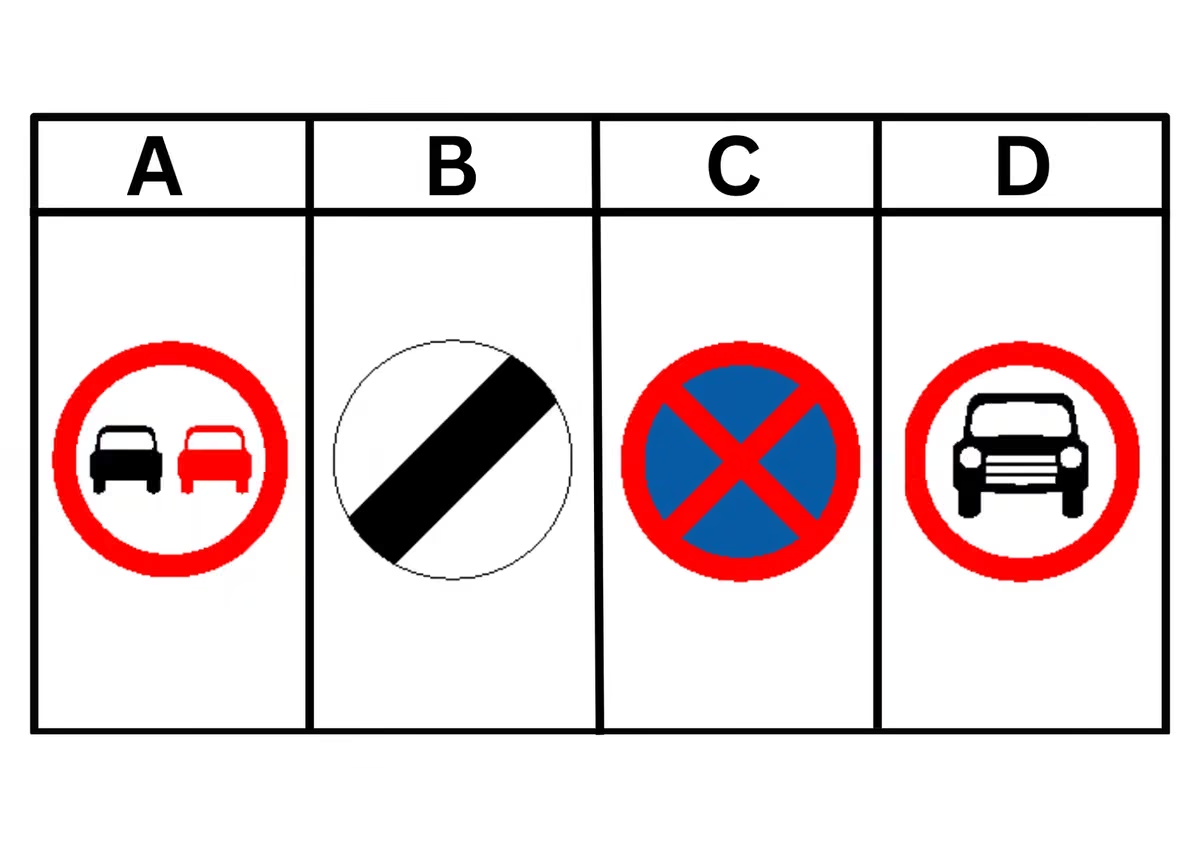
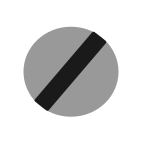
Which sign means No stopping?
Explanation
Stopping where you see this sign is likely to cause an obstruction, which could lead to traffic delays. Obeying the sign will help keep the traffic flowing.
Question 6 of 48
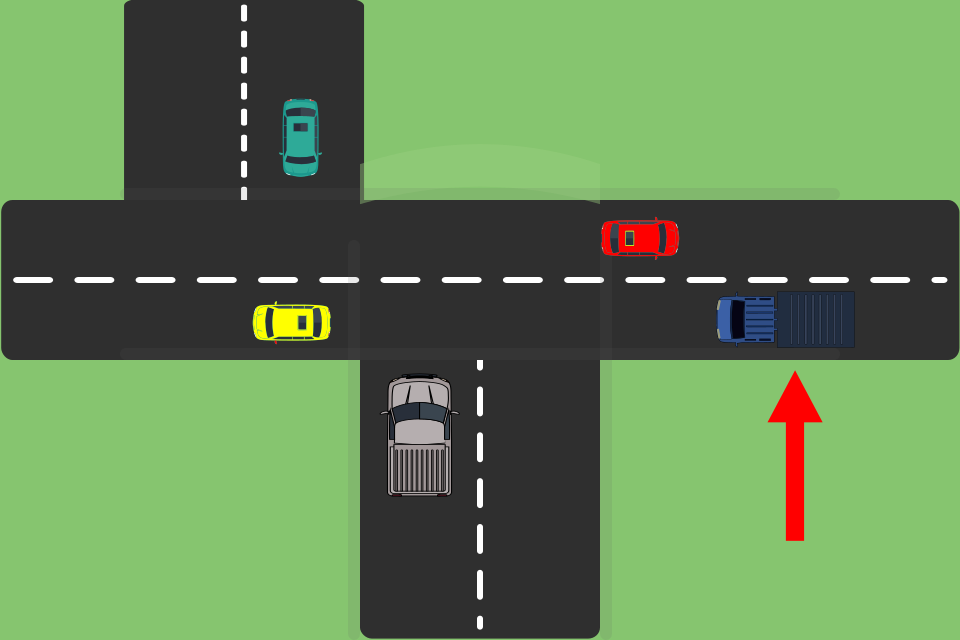
You're driving this lorry arrowed. What should you do about the emergency vehicle that's trying to emerge from the side road?
Explanation
Good forward planning will allow you to deal safely with this situation. You need to assess how your actions will affect other road users. Acting on impulse can have disastrous consequences.
Question 7 of 48
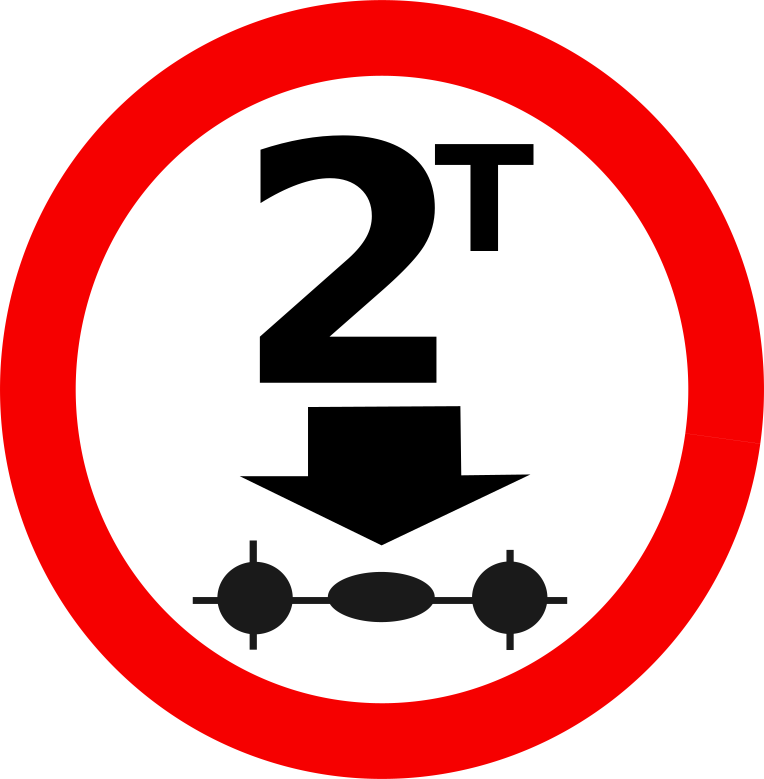
What does this sign mean?
Explanation
Always look out for road signs, but be especially aware of those that refer to large or heavy vehicles. Get into the habit of checking for signs at junctions. There might be an indication on the junction layout sign. Before you turn, make sure that the road you're using doesn't have any restrictions for the vehicle you're driving.
Question 8 of 48
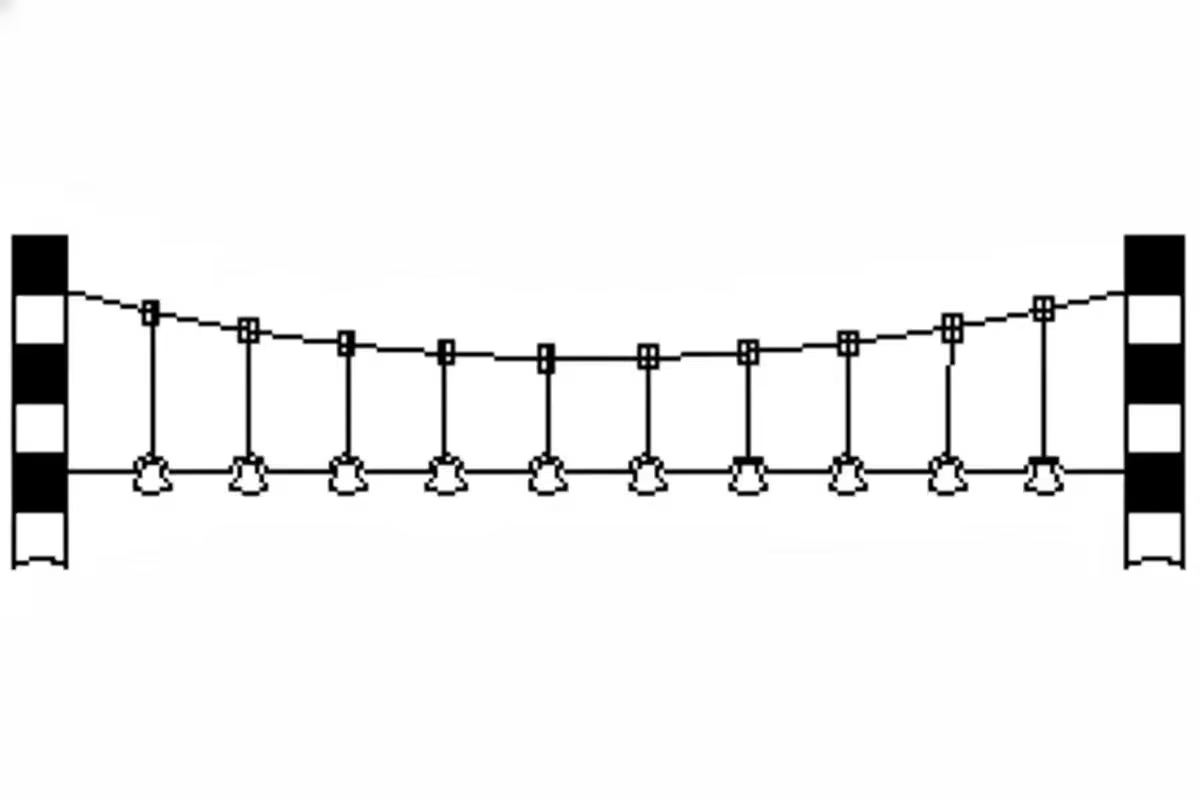
What do bells hanging across the road warn drivers of?
Explanation
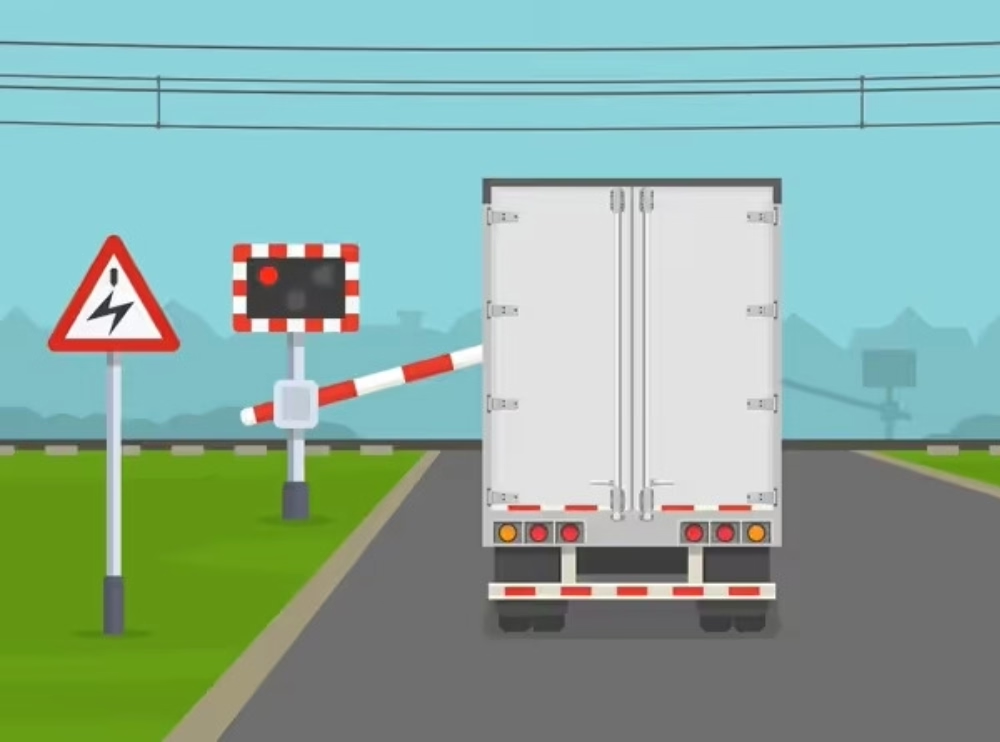
If your vehicle touches bells suspended over the road, they'll obviously ring. This will warn you that your vehicle exceeds the safe travelling height beneath electrified overhead cables ahead. You must stop immediately and either find another route or take advice.
Question 9 of 48
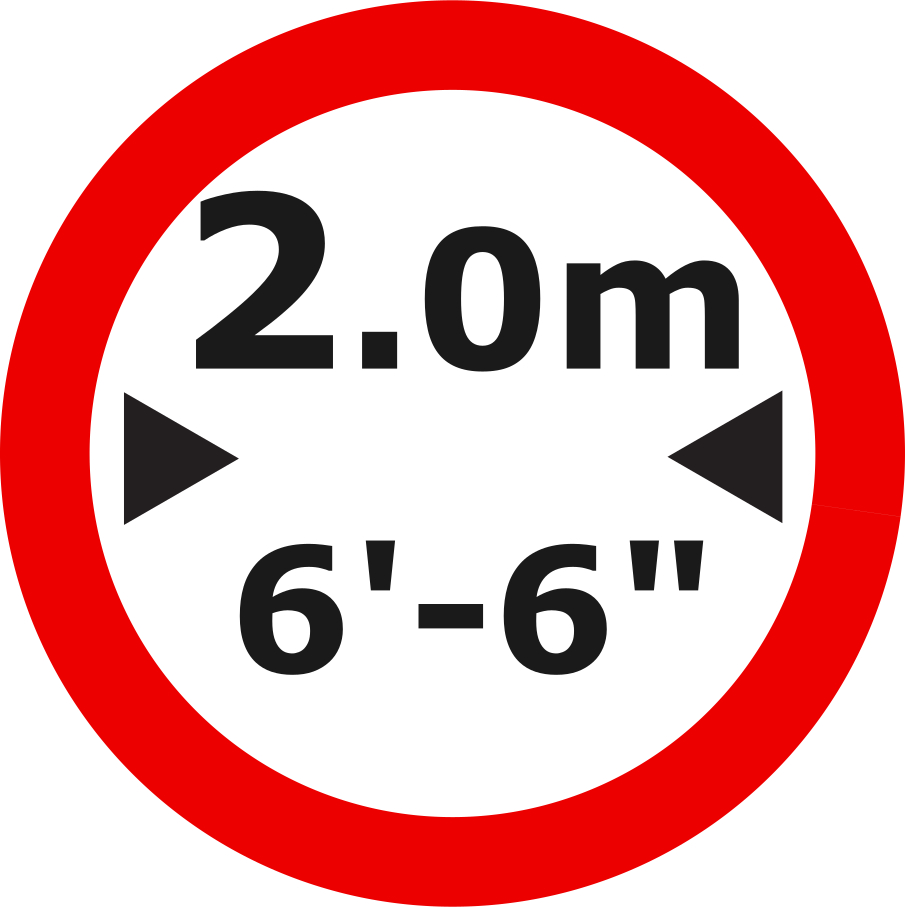
What does this sign mean?
Explanation
You must always be aware of the size of your vehicle. Look out for road signs that show a width restriction. There should be an indication of this at the entrance to the road. Don't get into a situation where you have to reverse out of a narrow road because you haven't seen a sign.
Question 10 of 48
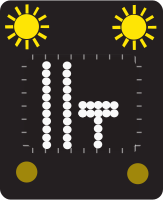
What does this motorway sign mean?
Explanation
Warning lights show when there's danger ahead. This includes.
Question 11 of 48
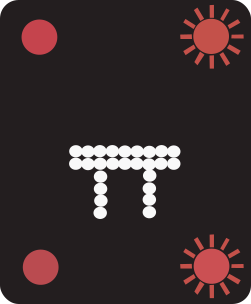
What does this tachograph chart symbol mean?
Explanation
Each activity has a different symbol. You should know what they mean, so that you can select the correct one. You're responsible for recording all your activities correctly. Some tachographs don't have a driving mode switch. These tachographs will automatically record driving time whenever the vehicle is moved, whatever mode the switch is set to.
Question 12 of 48
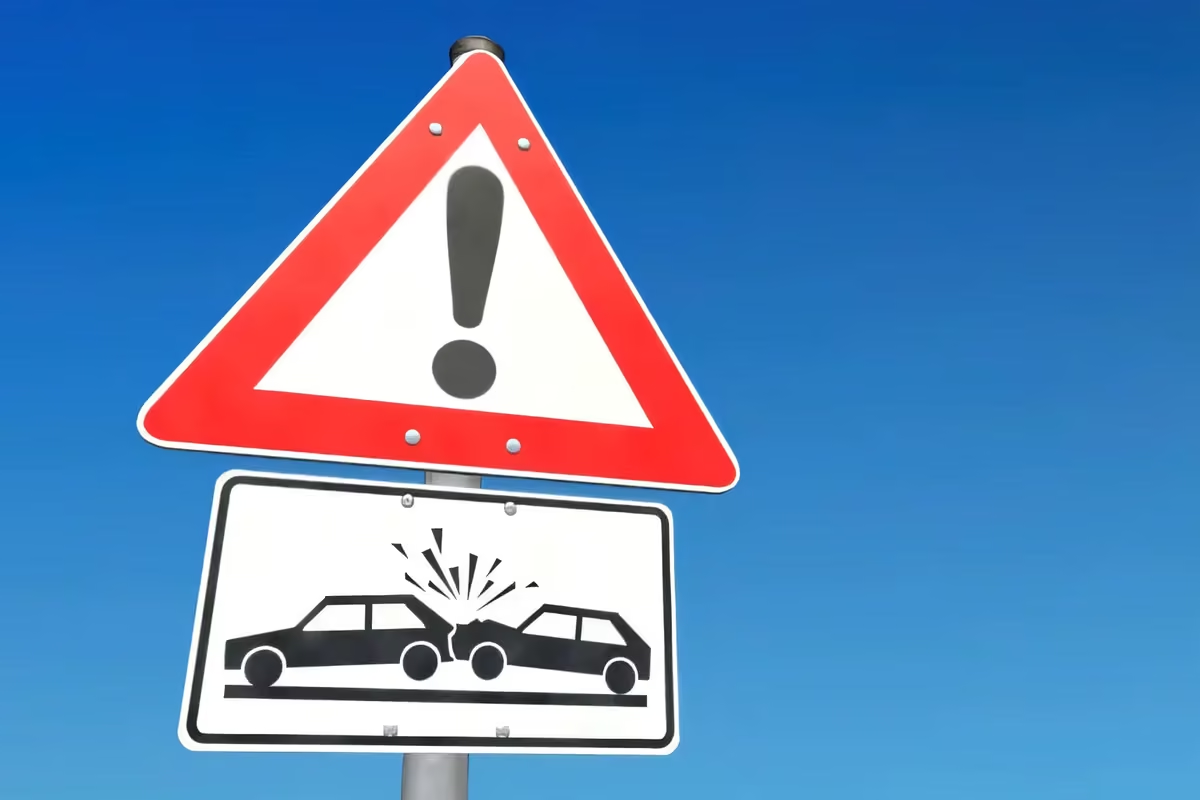
What does this traffic sign mean?
Explanation
A sign showing an exclamation mark tells you that there may be danger ahead. Be ready to slow down for whatever that may be.
Question 13 of 48
What's the purpose of a preheating device?
Explanation
Most diesel engines have glow plugs to preheat the combustion chambers, so helping the engine to start when it's cold. When the ignition is switched on, the preheat warning lamp will show and the glow plugs will rapidly heat up. In cold weather, the starter should only be operated when the glow plugs reach operating temperature and the warning light goes out.
Question 14 of 48
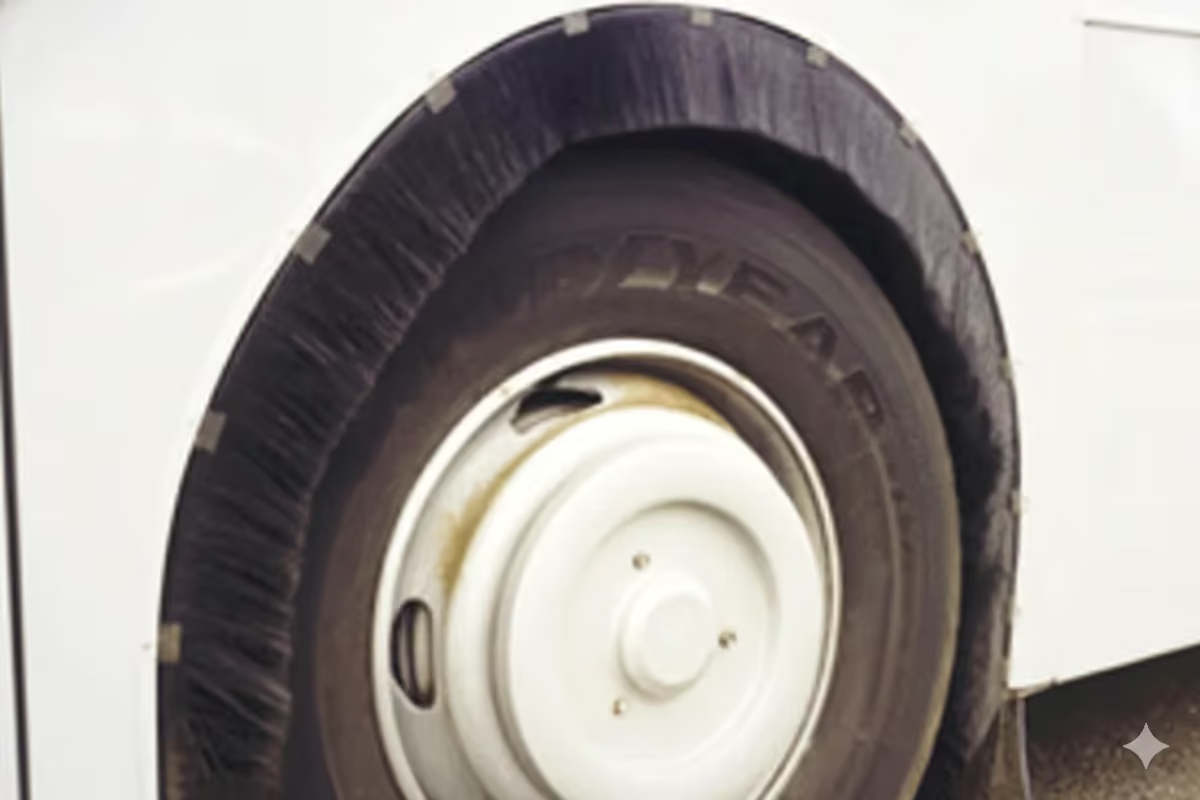
This vehicle is fitted with spray suppression equipment. In what weather conditions will it be most useful?
Explanation
The spray suppression equipment helps to prevent water from being thrown up and causing reduced visibility, for you and other drivers. Driving at a reduced speed in wet conditions will also help to reduce the amount of water thrown up by your vehicle's tyres.
Question 15 of 48
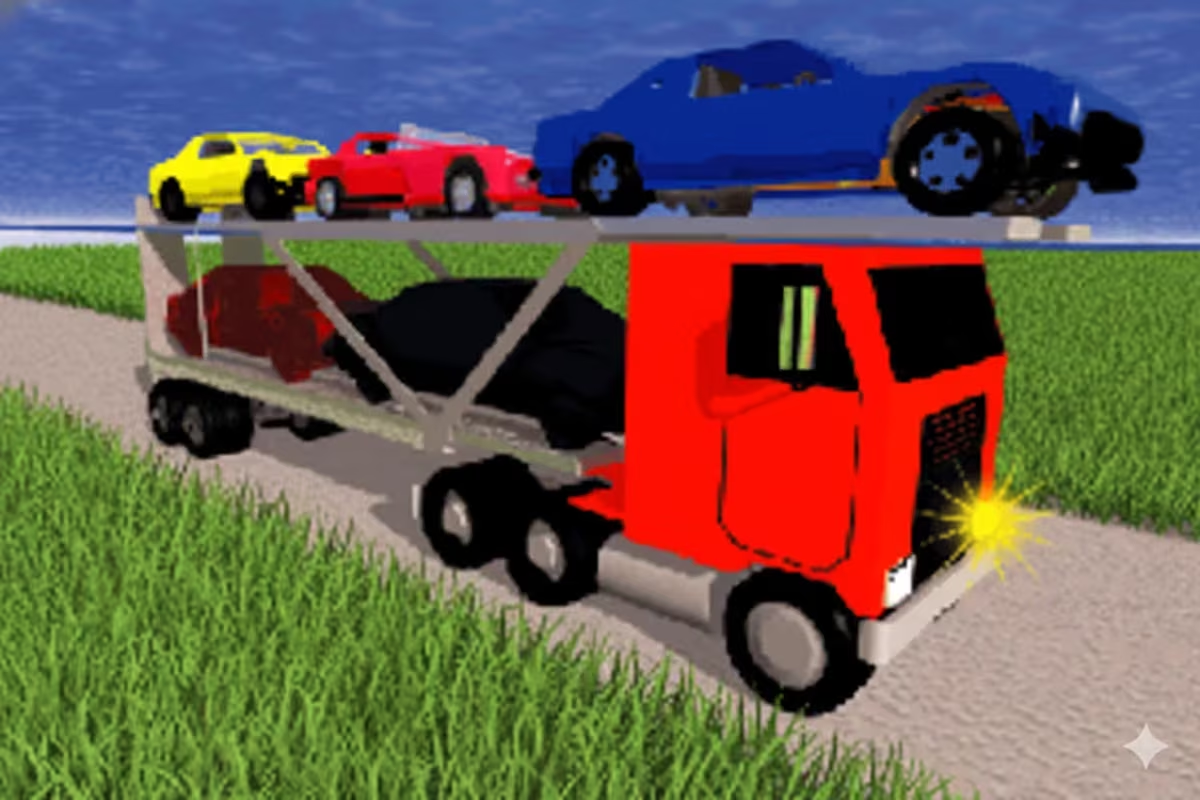
When this vehicle transporter turns, how will the overhanging top deck move?
Explanation
As the top deck is longer than the cab and trailer, it will take up more room as the vehicle turns you must make sure that you've allowed for the wider swing of the deck. Even if your cab is well clear, the overhanging deck could hit obstructions such as telegraph poles or traffic signs as you go round a corner.
Question 16 of 48
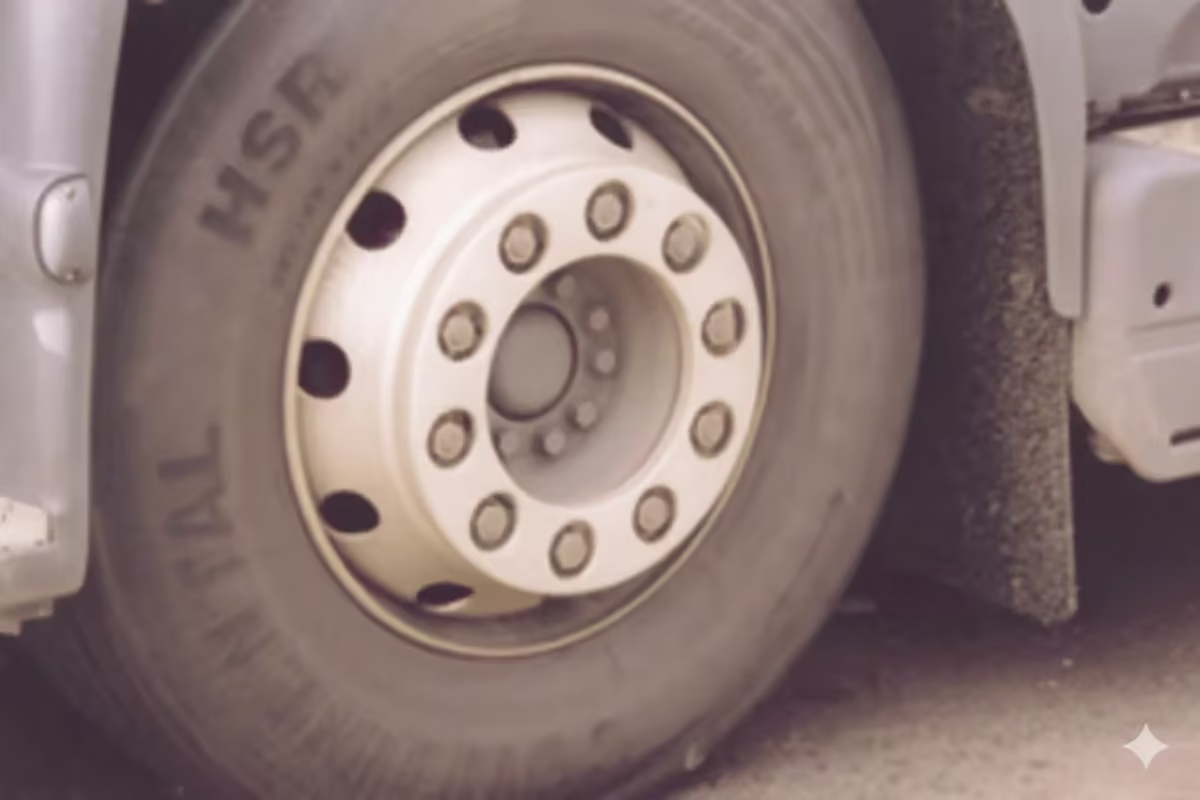
When should wheel nuts be checked?
Explanation
Always have wheel nuts checked soon after their initial tightening. They should be tightened to the torque specified by the vehicle manufacturer.
Question 17 of 48
You're waiting to turn right in this lorry arrowed. What danger should you be most aware of?
Explanation
Indicate your intentions in good time, so that both the motorcyclist and pedestrians know you plan to turn right. You should note all potential hazards and keep checking as you turn.
Question 18 of 48
Which symbol on your tachograph shows your break rest period?
Explanation
A tachograph allows you to select the mode or task that you're undertaking. Time spent on that task is then recorded automatically. Each task has a different symbol. You need to know the meaning of each, so that your records are correct. The modes are driving, doing other work, on duty and available for work, and taking a break or rest.
Question 19 of 48
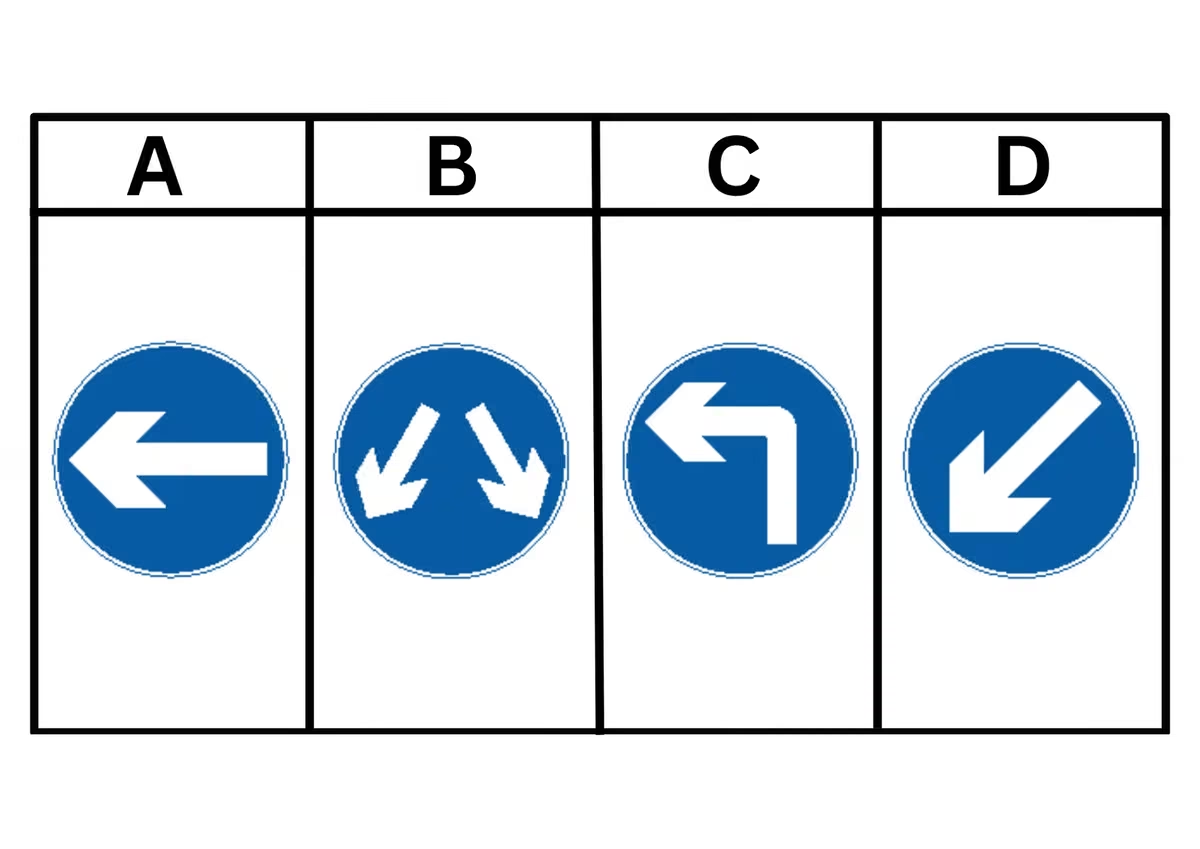
Which of these signs means turn left ahead?
Explanation
This sign gives a clear instruction. You should prepare to negotiate a left-hand turn.
Question 20 of 48
What should be fitted to a lorry with a maximum authorised mass of more than 7500 kg?
Explanation
Motor vehicles over 7500 kg maximum authorised mass MAM and trailers over 3500 kg MAM should have these markings fitted to the rear of the vehicle trailer.
Question 21 of 48
You're driving a lorry weighing more than 7.5 tonnes on a dual carriageway in England. What does this sign mean?
Explanation
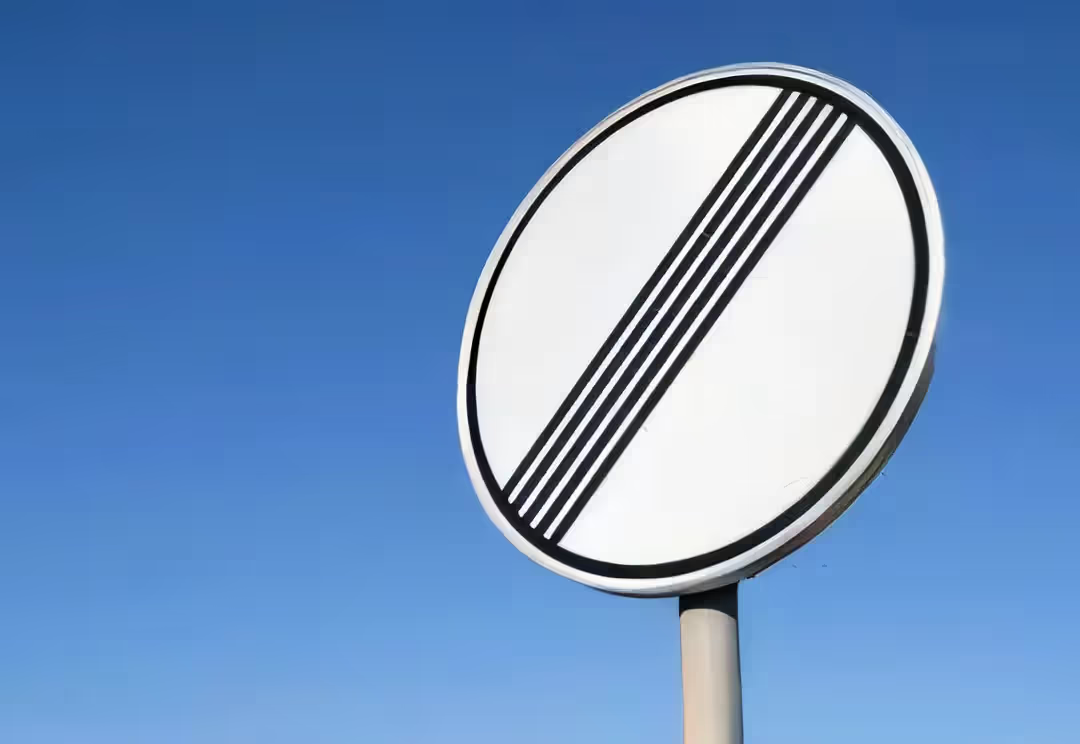
The maximum speed for lorries over 7.5 tonnes maximum authorised mass on a dual carriageway in England and Wales is 60 mph. In Scotland, the limit is 50 mph. Be aware of the speed limits applying to different types of vehicle on particular roads. This is the maximum speed allowed, but it may not always be safe to drive at this speed, because of the weather, volume of traffic and other factors.
Question 22 of 48
What will a correctly adjusted air deflector do?
Explanation
Correctly adjusted air deflectors will save fuel. They should be adjusted to guide the airflow over the highest point at the front of the trailer or load and body.
Question 23 of 48
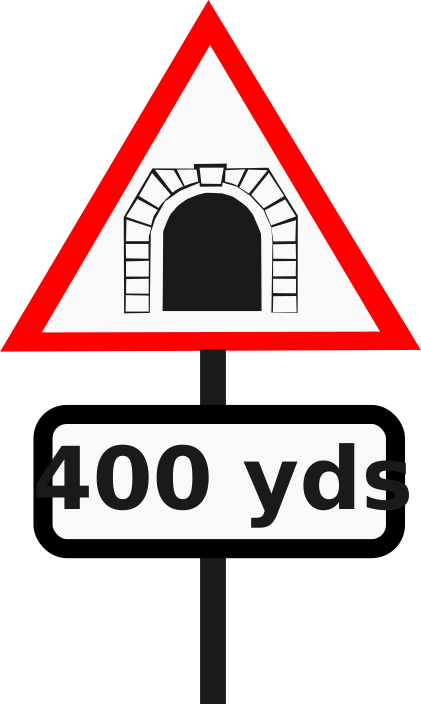
What does this sign mean?
Explanation
As well as a height restriction, the tunnel may have a restriction on the available width of headroom for high vehicles. The advance warning gives you the opportunity to find another route if your vehicle is too high or wide to drive through the tunnel.
Question 24 of 48
What does this sign mean?
Explanation
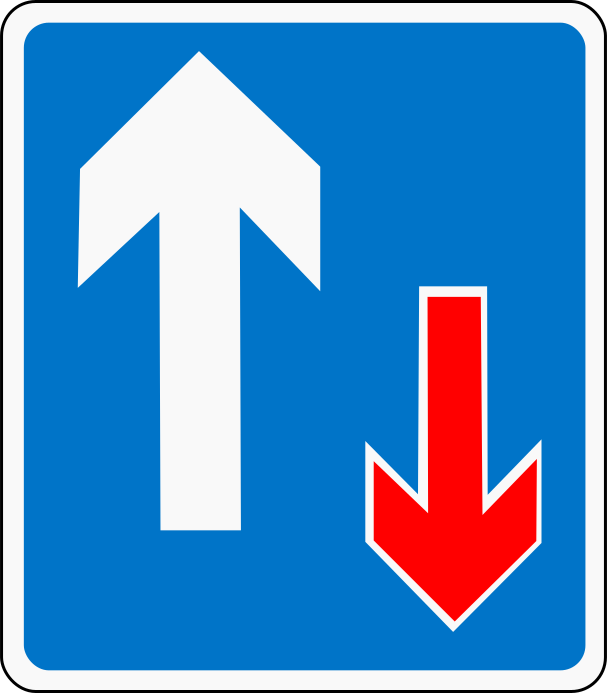
You have priority over vehicles from the opposite direction. However, if a vehicle approaching from the opposite direction isn't going to stop, you should slow down and give way to avoid confrontation or an incident.
Question 25 of 48
What does this sign mean?
Explanation
This sign is shown where slow moving vehicles would block the flow of traffic. However, if you need to slow down to avoid an incident, you should do so.
Question 26 of 48
What does this sign mean?
Explanation
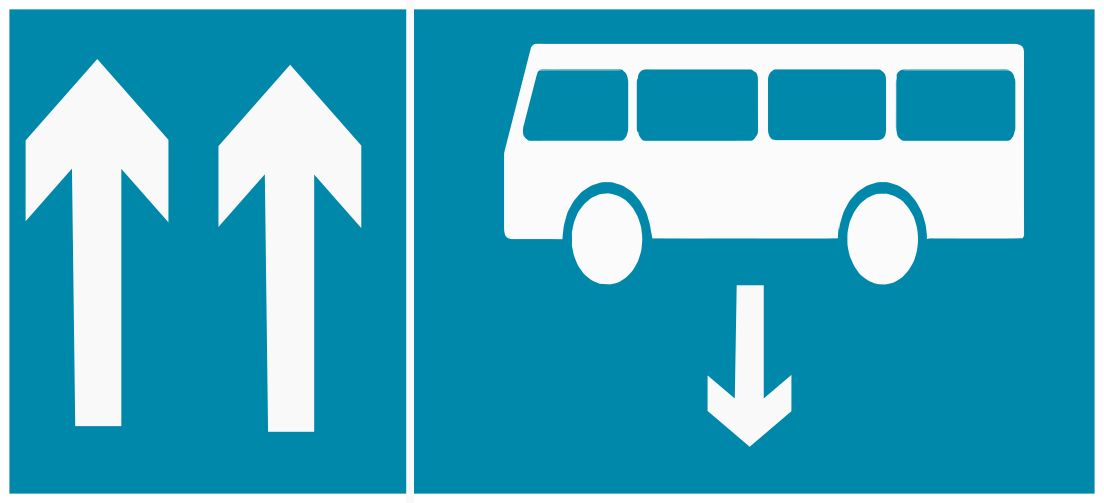
If you see a contraflow sign, there'll also be markings on the road to indicate the bus lane. Don't use this lane for parking or overtaking.
Question 27 of 48
You see this traffic light ahead. Which light or lights will come on next?
Explanation
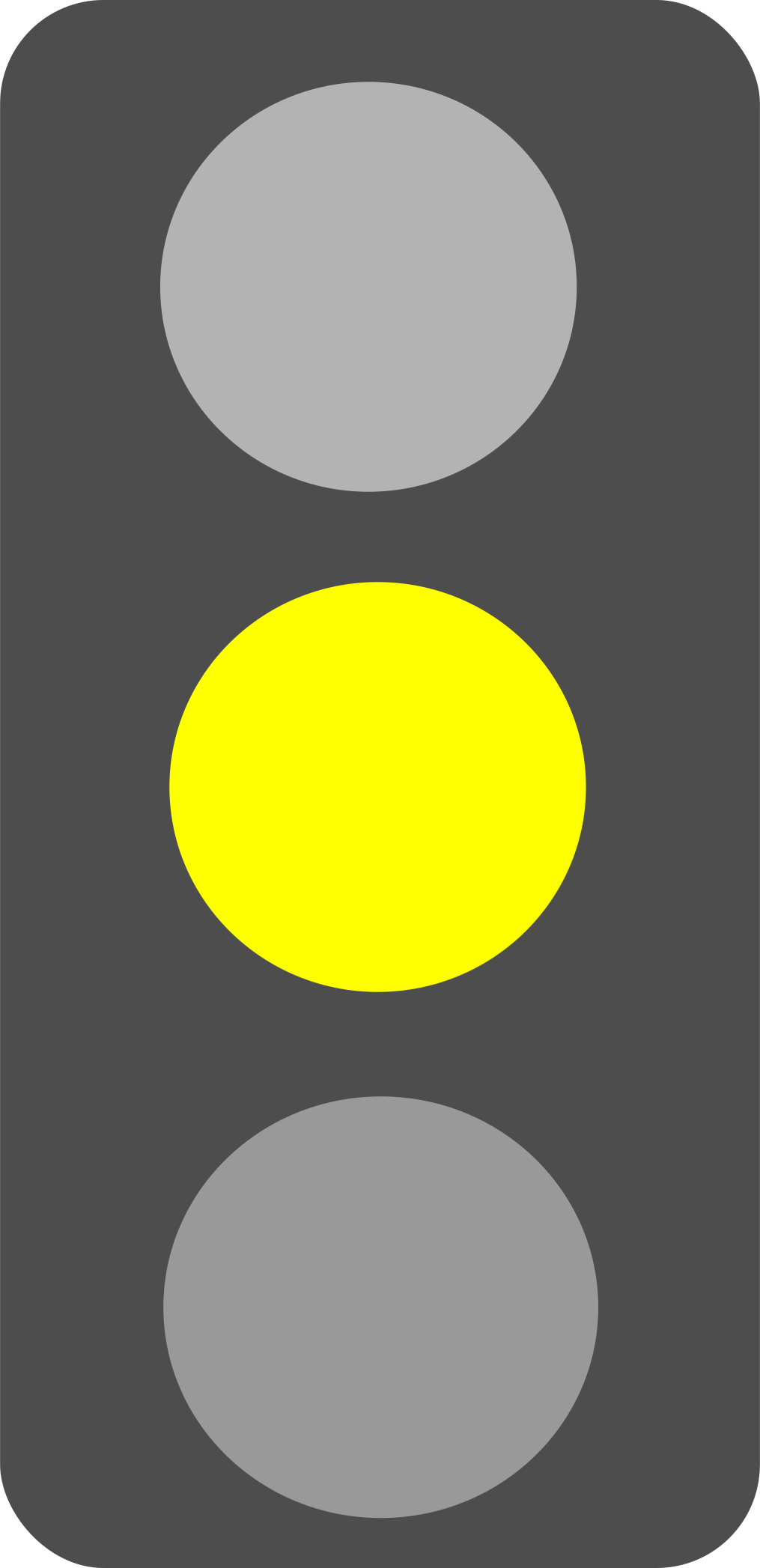
The amber light means stop. You may only go on if the light changes to amber after you've crossed the stop line or when you're so close to the line that stopping might cause a collision. The amber light is followed by the red light. You must wait behind the stop line until the green light shows.
Question 28 of 48
What does this motorway sign mean?
Explanation
When the red lights are flashing, don't go beyond this signal. This sign shows that all lanes ahead are closed and you mustn't enter the motorway. Motorway signals are located on the central reservation, to the left of the hard shoulder, on overhead gantries and at the entrance to the motorway.
Question 29 of 48
Which fuel is better for the environment?
Explanation
Sulphur produces acidic gases. Diesel fuels with lower sulphur content have been produced to reduce exhaust emissions that harm both people and the environment.
Question 30 of 48
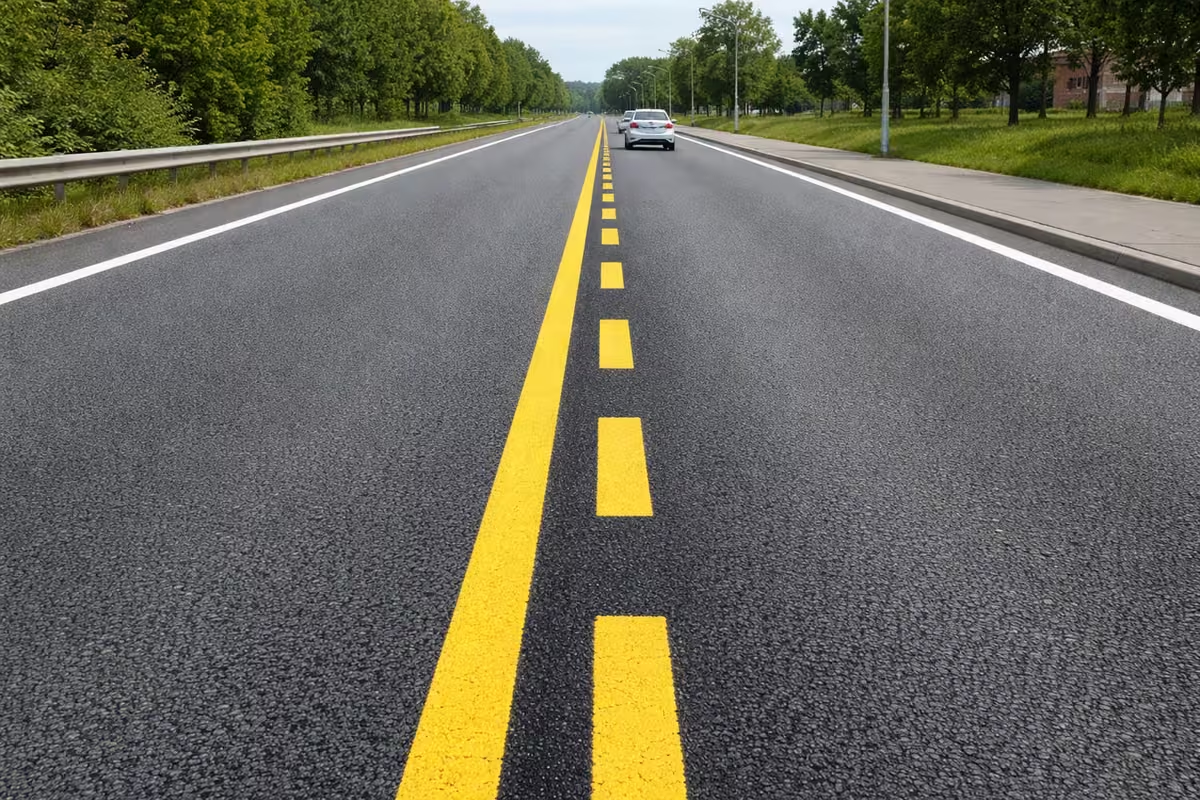
The double white line along the centre of the road is unbroken on your side. When may you cross the line?
Explanation
Solid white lines are used where it would be dangerous to overtake. If the solid line is on your side of the road, you may cross it to pass a stationary vehicle, or to overtake a pedal cycle, horse or road maintenance vehicle that's travelling at 10 mph or less. You may also cross the solid line to enter premises or a side road.
Question 31 of 48
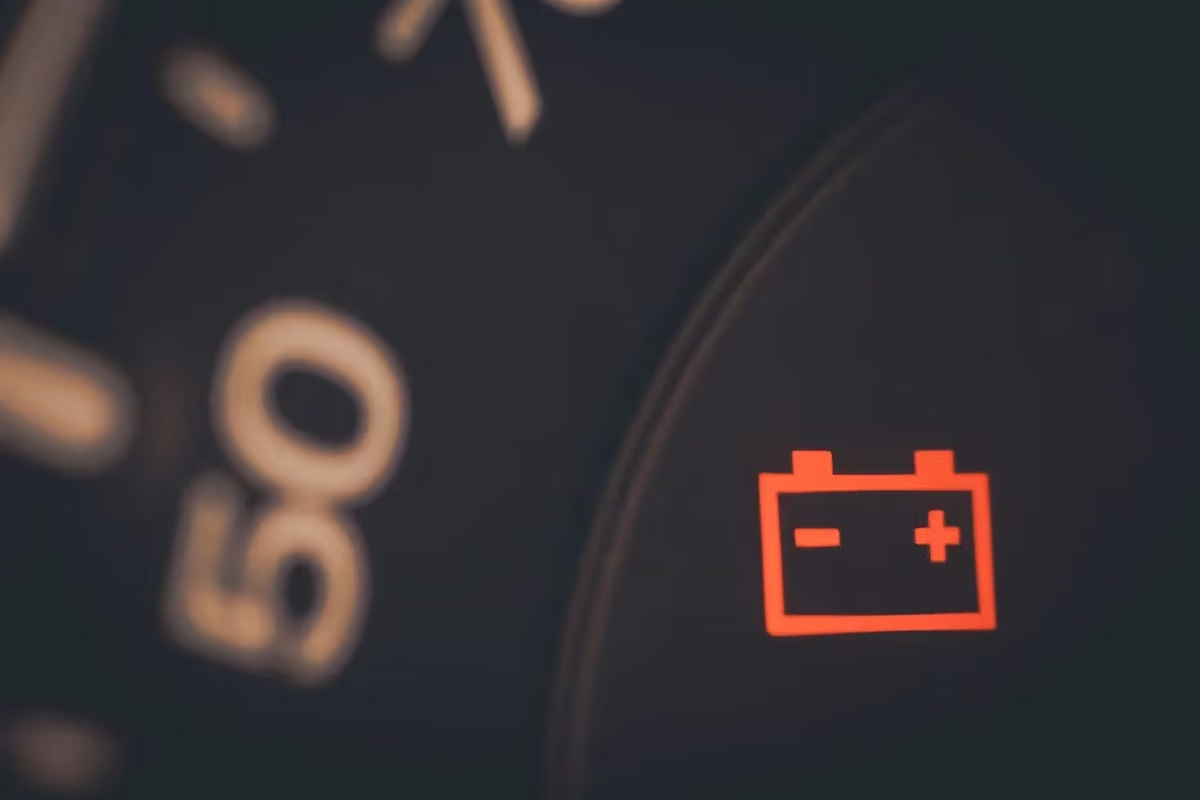
What does it mean if the ignition warning light comes on while you're driving?
Explanation
The ignition light should go out when the engine has started. If it fails to go out or comes on while you're driving, it means that there's an electrical fault of some kind.
Question 32 of 48
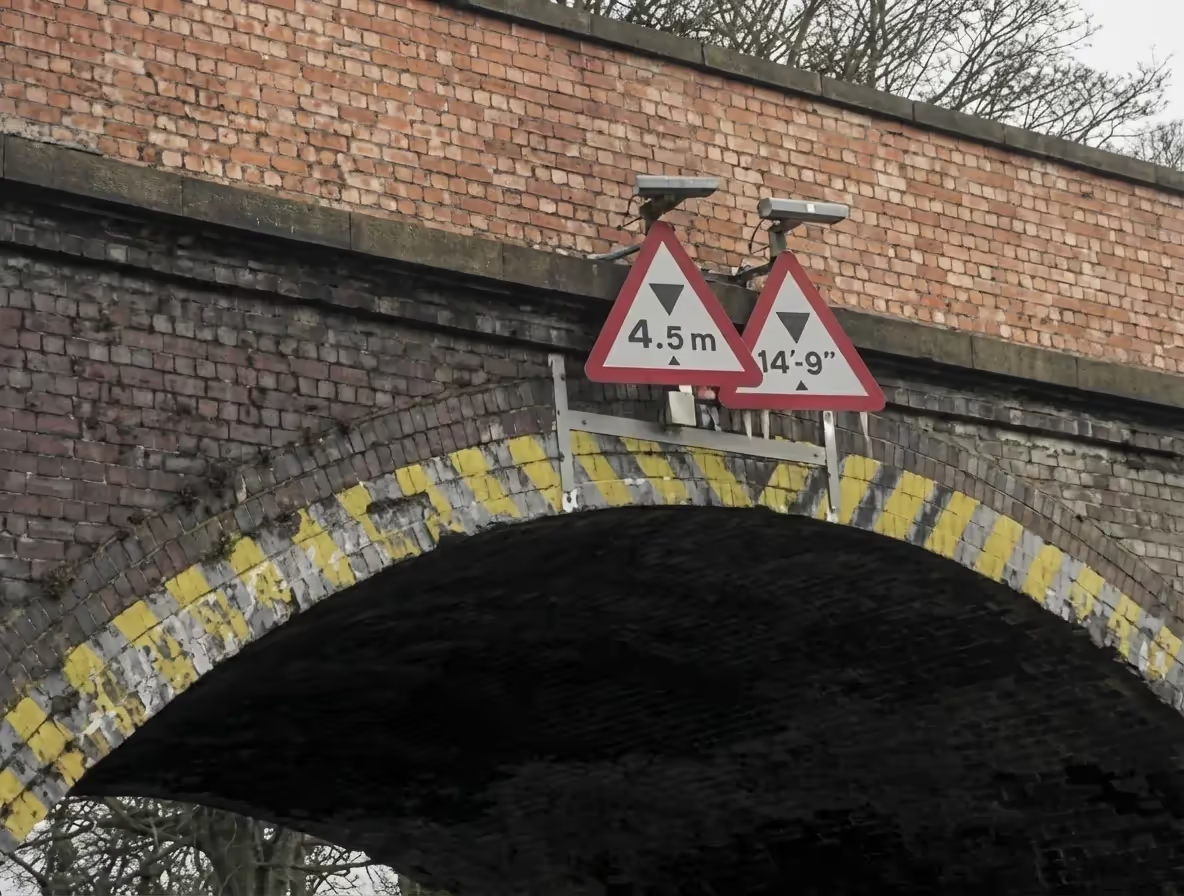
The height of your vehicle is 4.2 metres 14 feet. What should you do as you approach this bridge?
Explanation
The headroom under bridges in the UK is at least 5 metres 16 feet 6 inches unless marked otherwise. However, this might refer only to the highest point of an arch. If your vehicle hits a bridge, you must report the incident to the police. If a railway bridge is involved, you must also report it to the railway authority.
Question 33 of 48
What does this sign mean?
Explanation
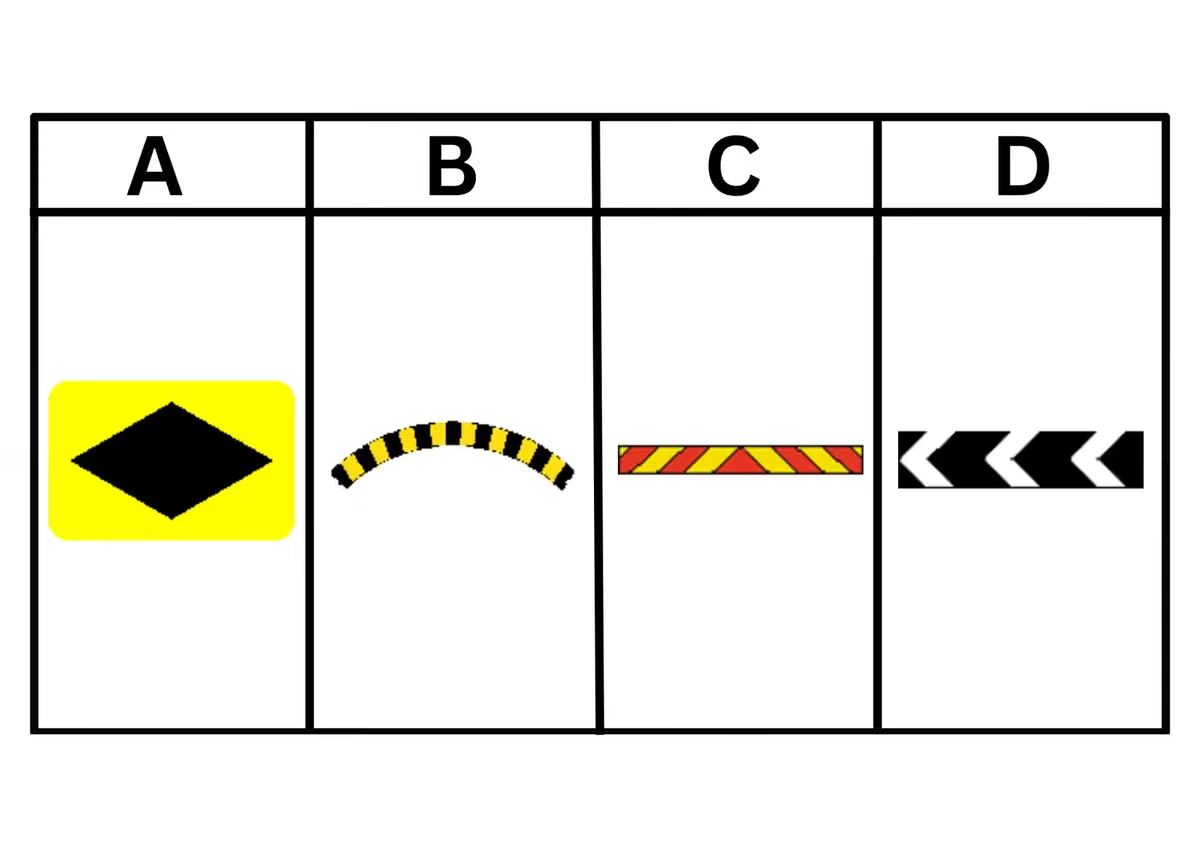
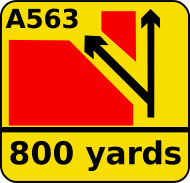
Major roadworks often cause complicated diversions for large vehicles. Drivers may be advised to follow a special symbol until the original road can be rejoined. Look for the yellow and black symbols in these shapes.
Question 34 of 48
You're driving a low loader and you see this sign. What's your main concern at this hazard?
Explanation
You have a responsibility to be aware of the dimensions of your vehicle, including ground clearance. When planning your route, you'll have to consider whether the roads you intend to use have any limits that would apply to your vehicle, such as.
Question 35 of 48
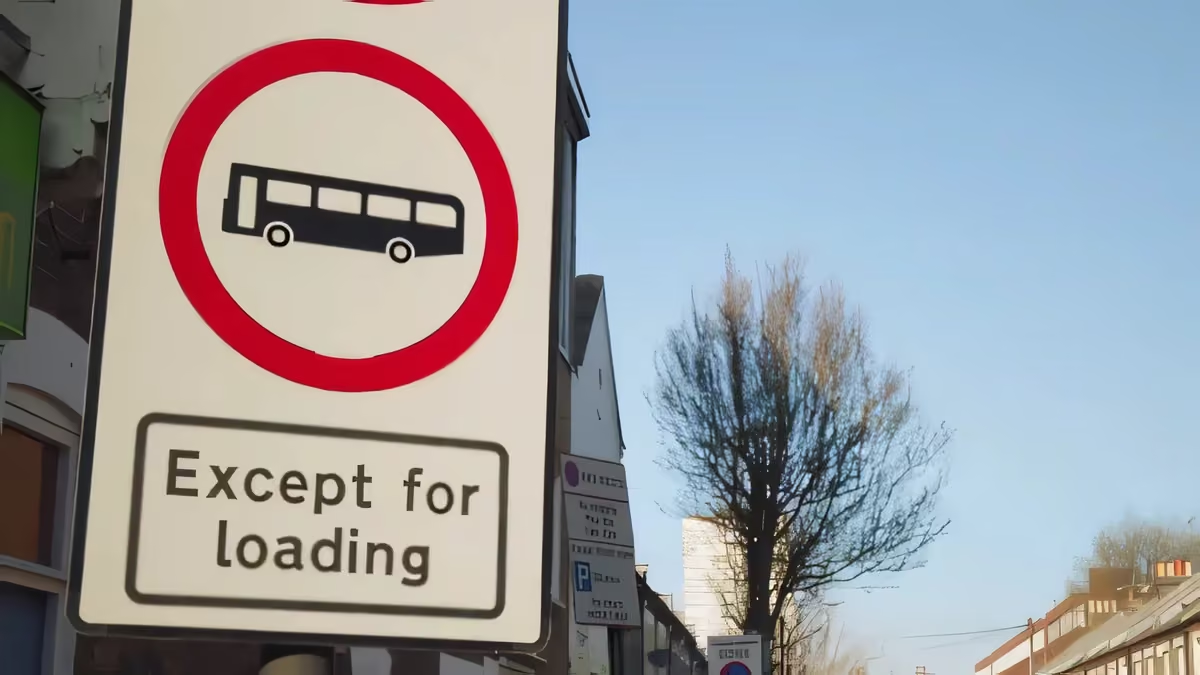
You're driving an articulated lorry. What should you do when you see this sign?
Explanation
The sign prohibits buses and coaches with more than eight passenger seats and so doesn't apply to you.
Question 36 of 48
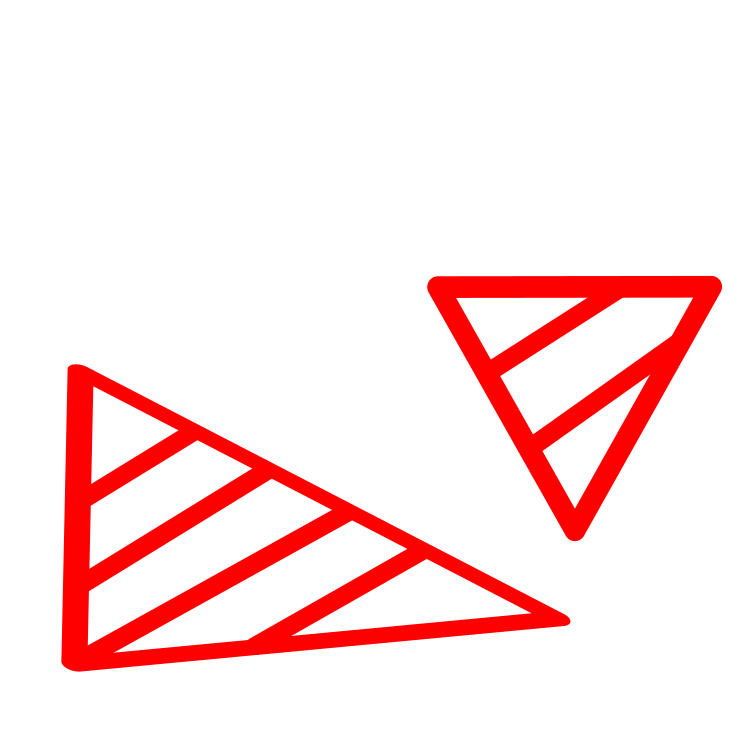
When must these two signs be used?
Explanation
The law requires you to use projection markers for long or wide loads. It's the driver's responsibility to keep the markers clean and securely fixed. They must also be independently lit at night.
Question 37 of 48
What does this sign mean?
Explanation
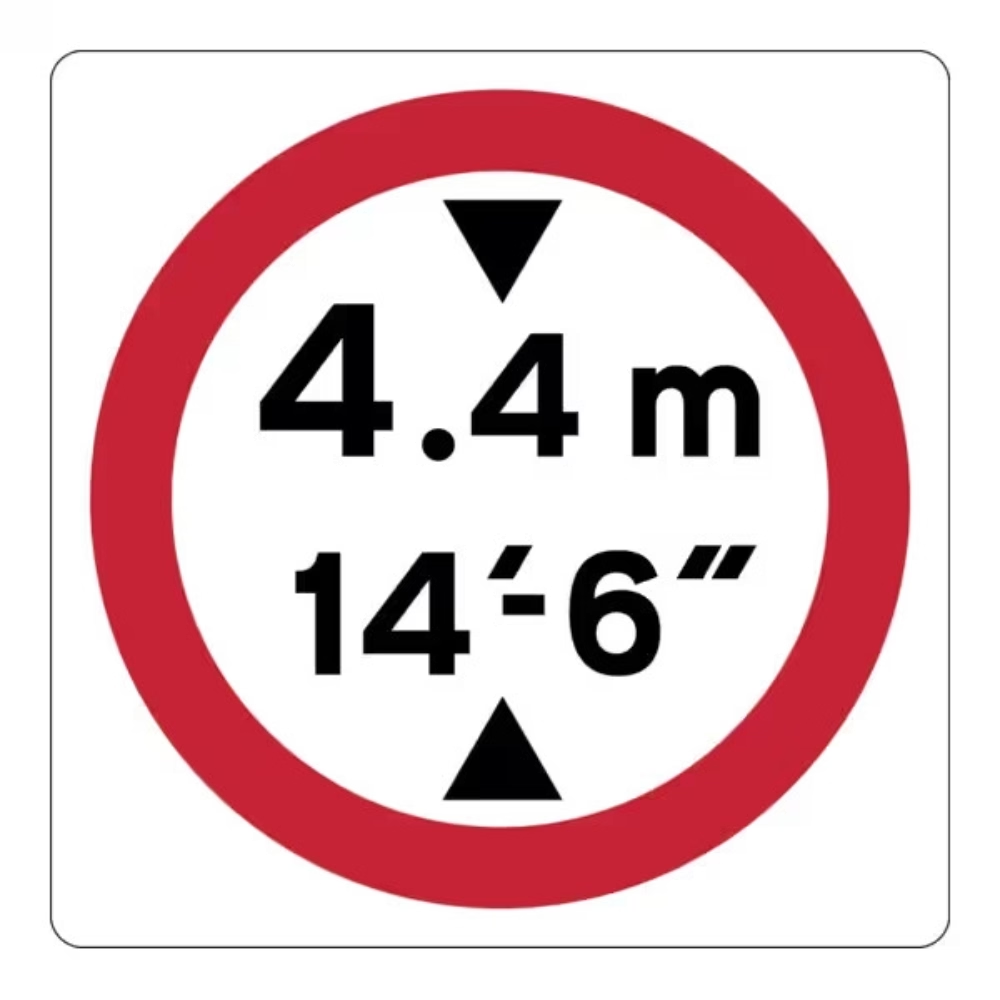
It's essential to know the height of your vehicle before setting off. This should be clearly marked, usually in the cab, and visible from the driving position. Look out for restrictions that you may not have seen on a map they may be temporary.
Question 38 of 48
What does this sign mean?
Explanation
Always be aware of the height of the vehicle you're driving, particularly if you drive different vehicles. If you use a sat nav, it may show you the height and weight limits on UK roads.
Question 39 of 48
You're driving on a motorway and you see this sign. What does it mean?
Explanation
Look out for variable message warning signs telling you about.
Question 40 of 48
You're driving through roadworks. What information does this sign give you?
Explanation
This sign gives you advance warning of a junction where the permanent sign is obscured by roadworks.
Question 41 of 48
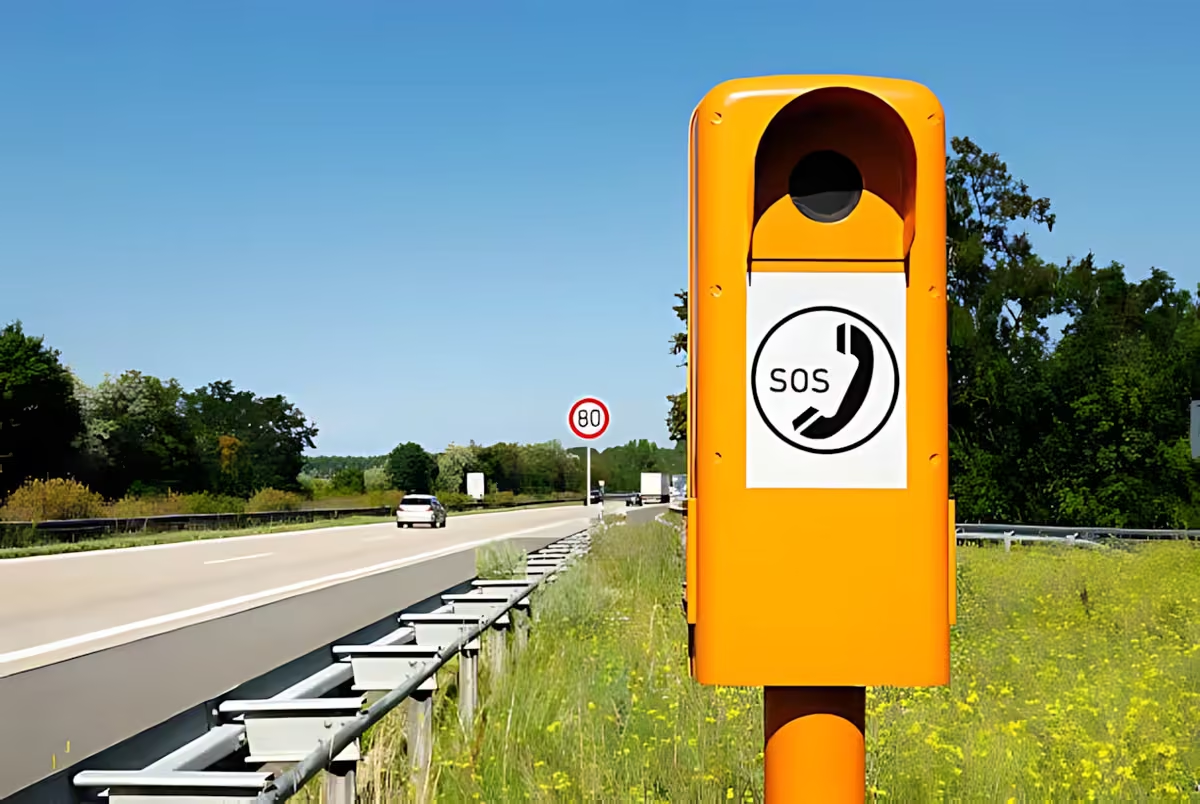
Where should you stand when using a motorway emergency telephone?
Explanation
Motorway phones are free and easily located. You should face the oncoming traffic while using them, so that you can see approaching vehicles.
Question 42 of 48
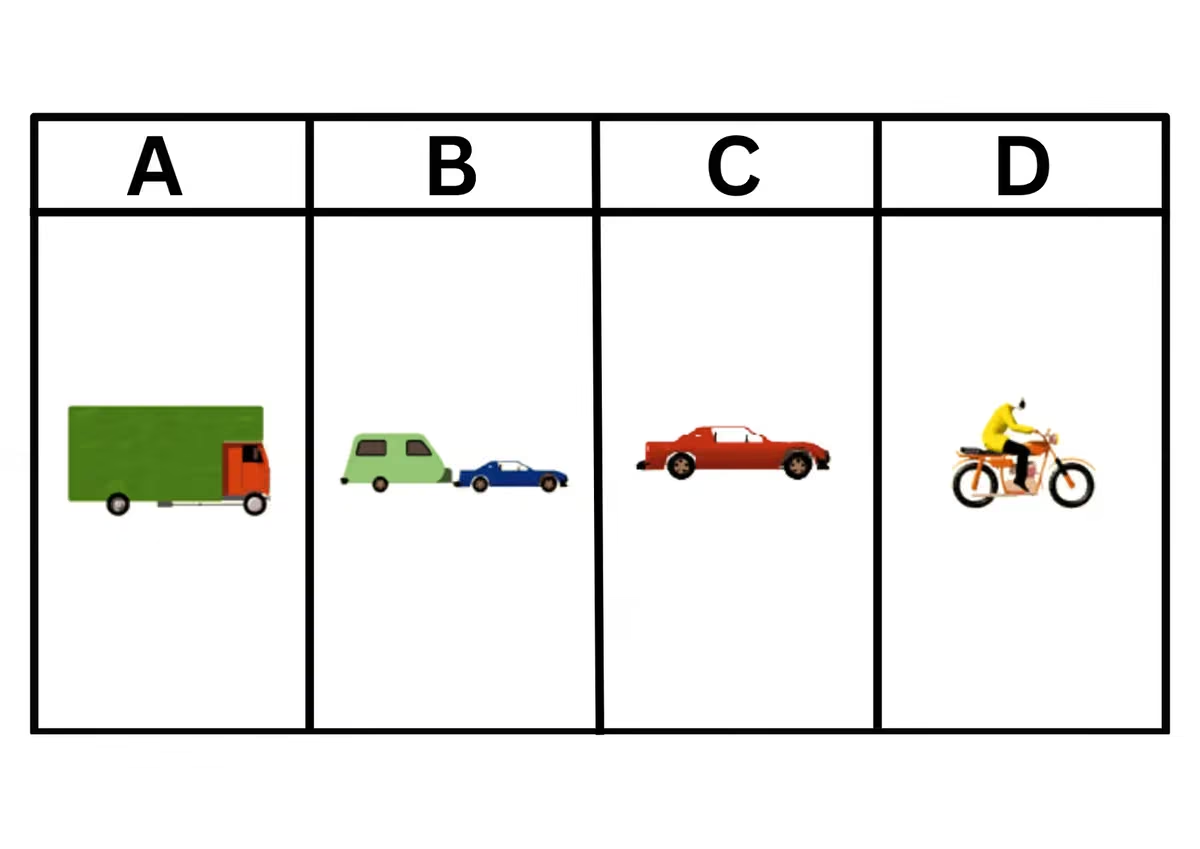
Which vehicle is least likely to be affected by high wind?
Explanation
The car is the most stable of the vehicles shown. However, all vehicles are affected by side wind and buffeting from larger vehicles. Be aware that your speed and road position could cause unnecessary turbulence when passing smaller vehicles.
Question 43 of 48
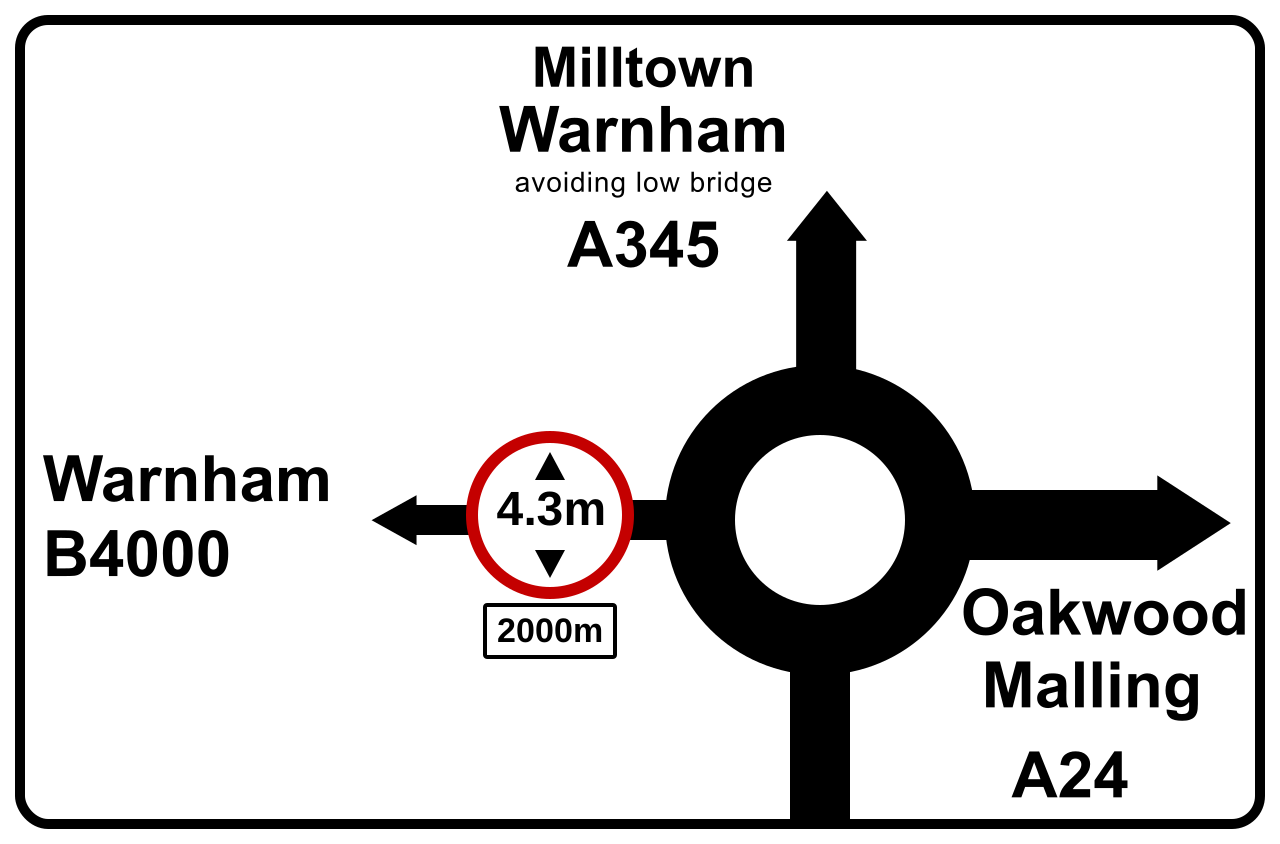
At this roundabout, you want to take the fourth exit. What limit is in force on this road?
Explanation
Look out for signs giving you advance warning of height restrictions. As a professional driver, you should always know the height of your vehicle or load. If you aren't sure of the safe height, stop and check.
Question 44 of 48
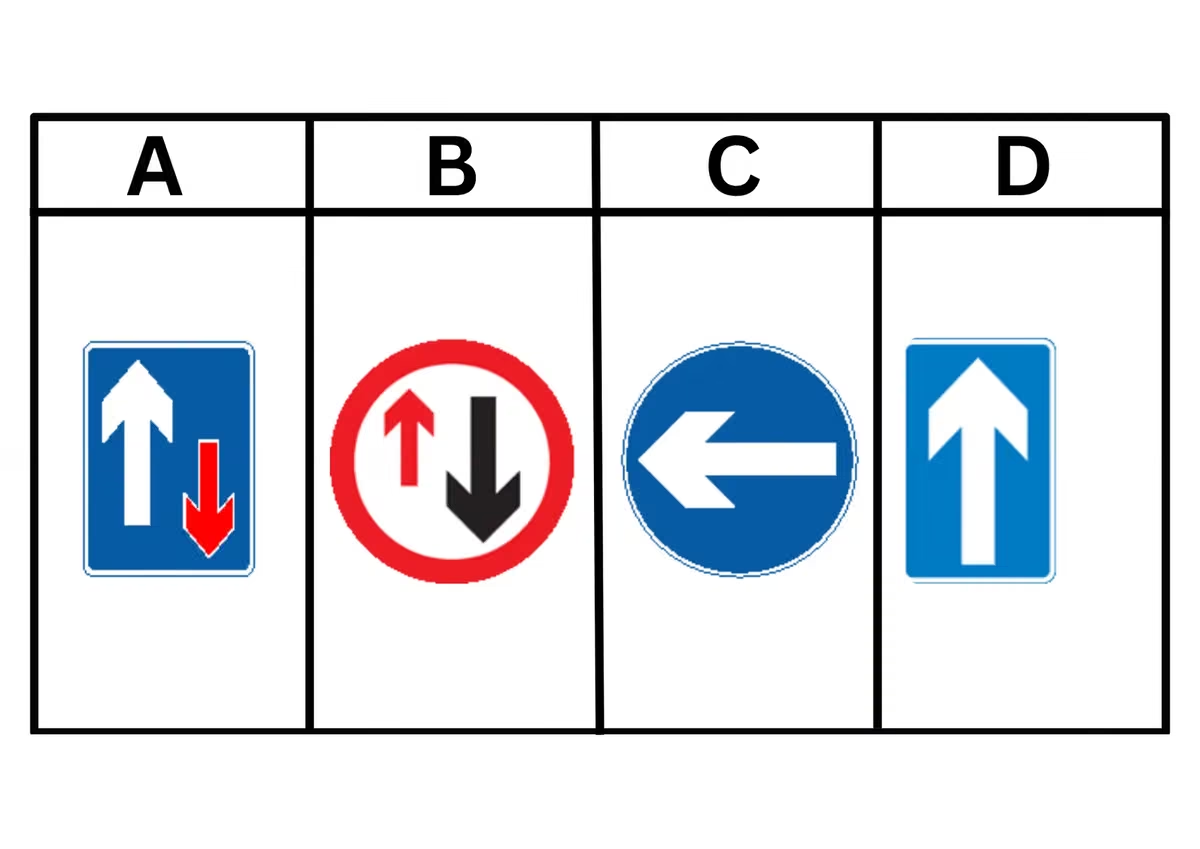
Which of these signs means that you're entering a one-way street?
Explanation
If a one-way street has two lanes, you can use either lane and overtake on either side. Use the lane that's more convenient for your destination unless directed by road signs or markings.
Question 45 of 48
What should you do when driving a large vehicle down a steep hill?
Explanation
When approaching a long hill, you should take note of any early warning signs. Reduce your speed and select the appropriate gear in good time. Using an endurance brake retarder, if fitted, will help control your speed.
Question 46 of 48
What colour are the markings on the rear of lorries over 7.5 tonnes maximum authorised mass?
Explanation
All vehicles over 7.5 tonnes maximum authorised mass must have markings on the rear of the vehicle. These markings are rectangular and are coloured red and yellow. They're there to inform other road users of the characteristics of your vehicle. The markings should be kept clean so that they can be seen clearly at all times, especially at night and in poor visibility.
Question 47 of 48
You must have enough tachograph charts with you for your journey. When do you need to start a new chart?
Explanation
If you're using a vehicle equipped with an analogue tachograph, you'll need at least one chart for every 24 hours. Your employer should supply you with enough tachograph charts for your entire journey.
Question 48 of 48
Your vehicle has double rear wheels. Why should you check them before leaving a building site?
Explanation
While driving on a building site, bricks, mud or other debris can become lodged between a lorry's double rear wheels. When you leave the site and increase your road speed, anything lodged between the tyres could be thrown out. This flying debris can be a hazard for drivers of following vehicles and can create dangerous road conditions, especially for motorcyclists.